Ilford FP4 Plus 125
The images below were shot on the Minolta X-300 (roll 55).
I will speak more about my experience down below…
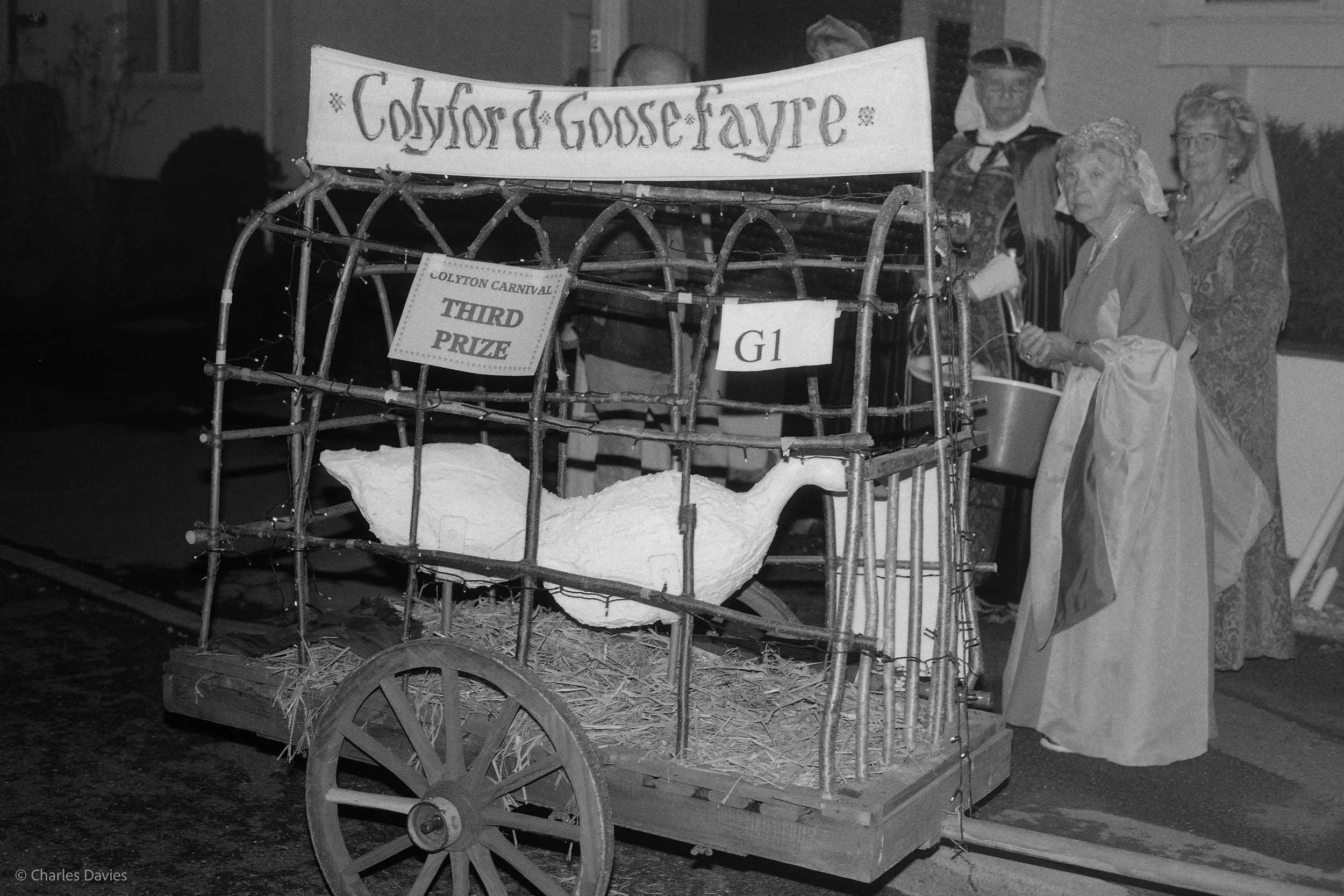
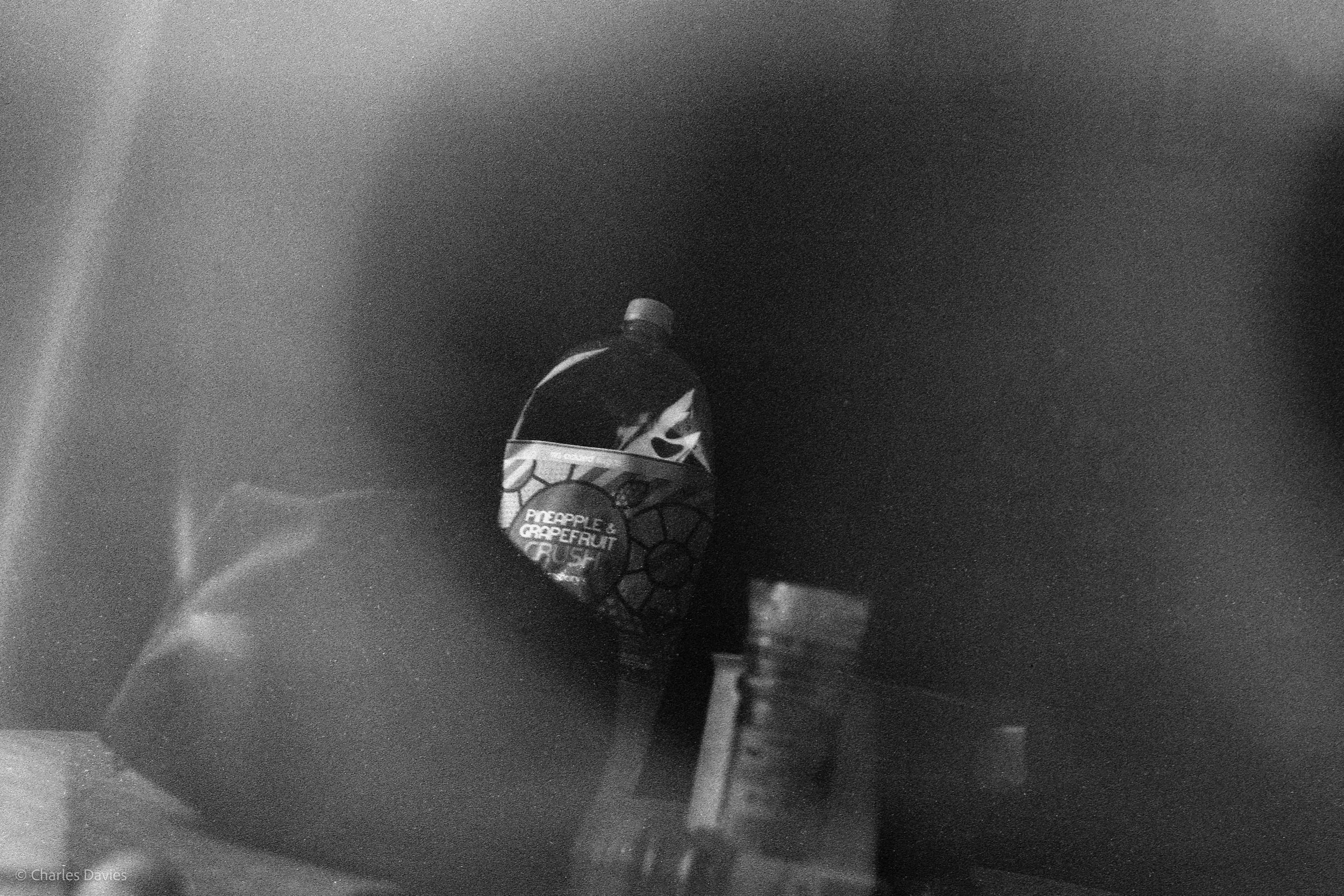
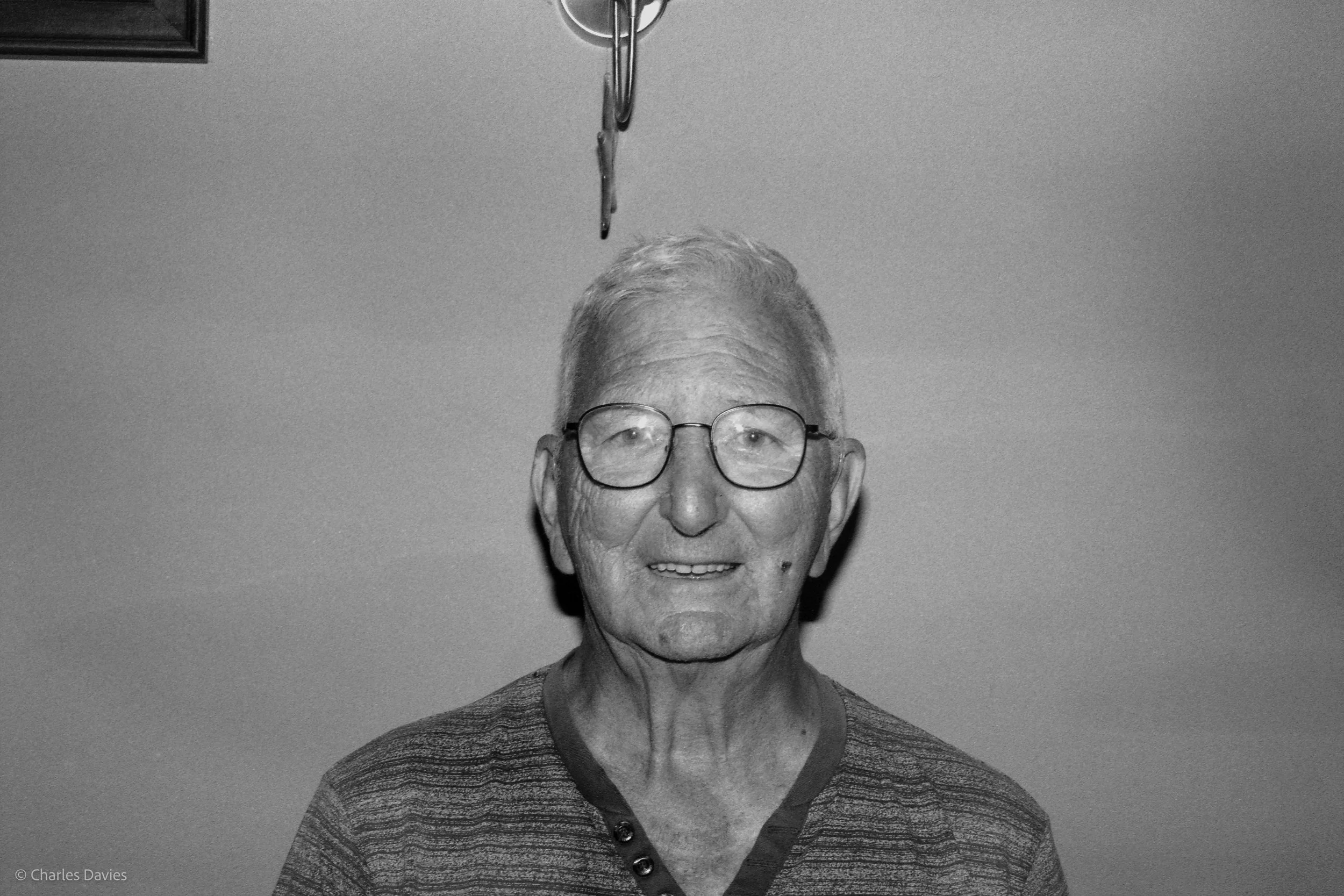
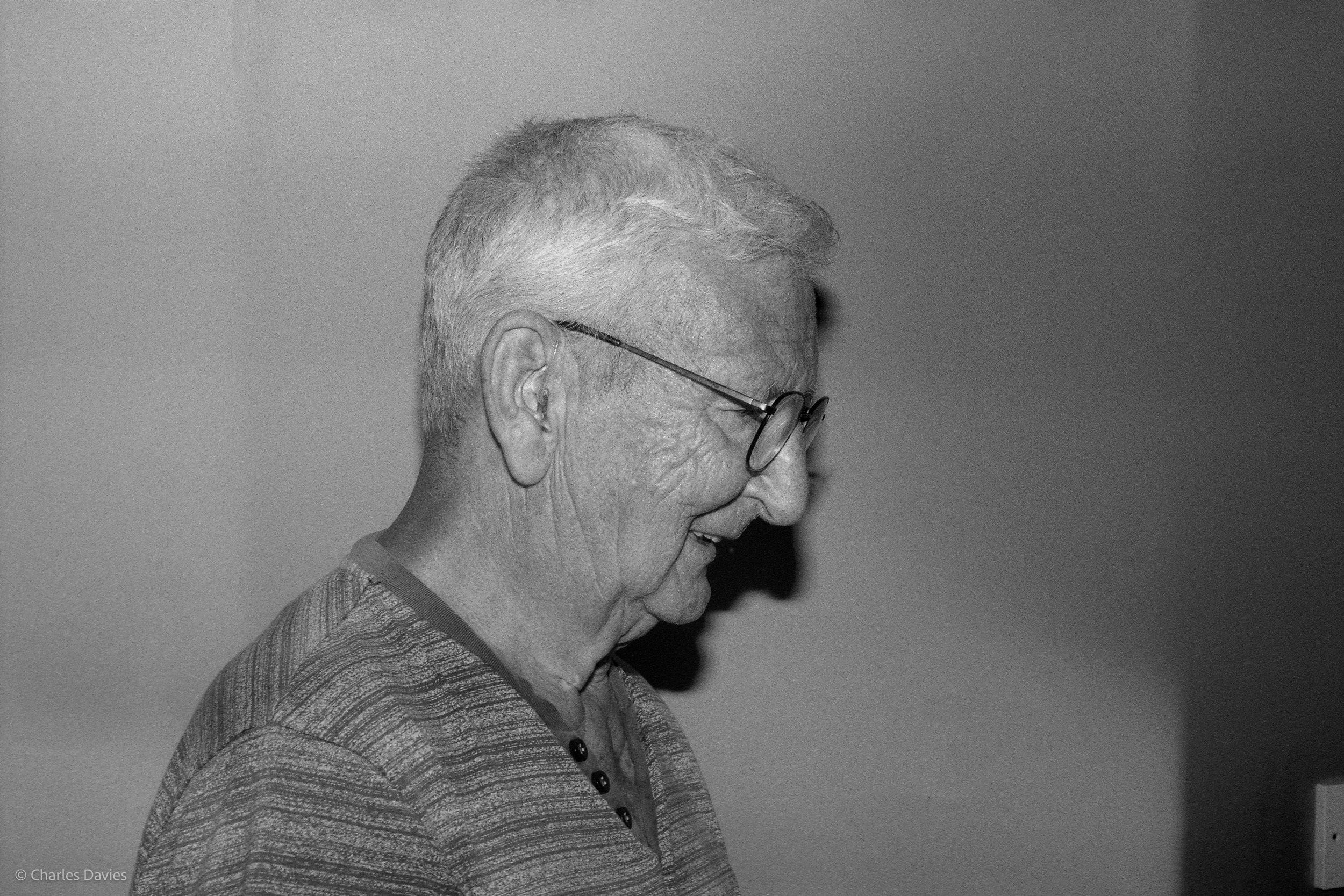
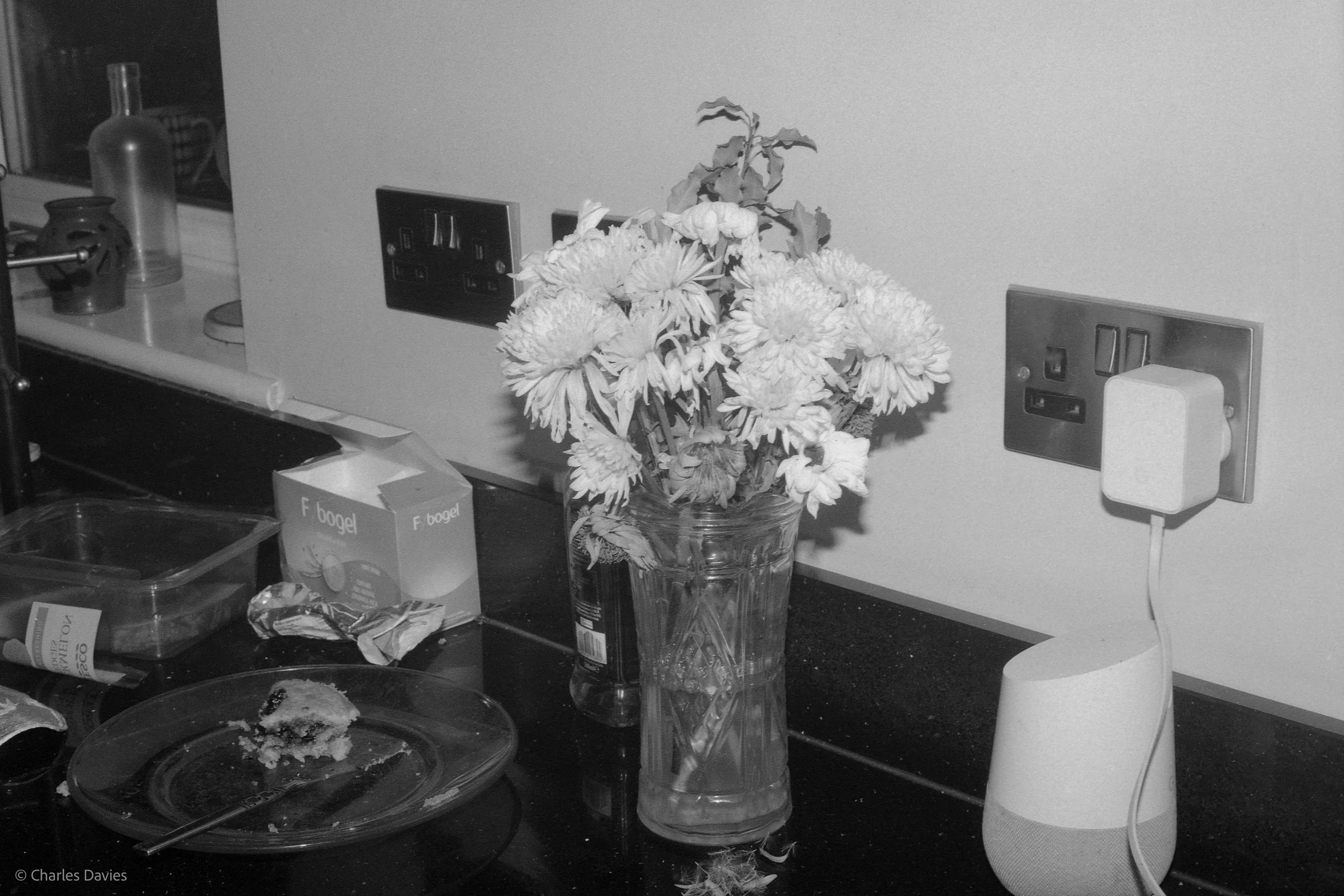
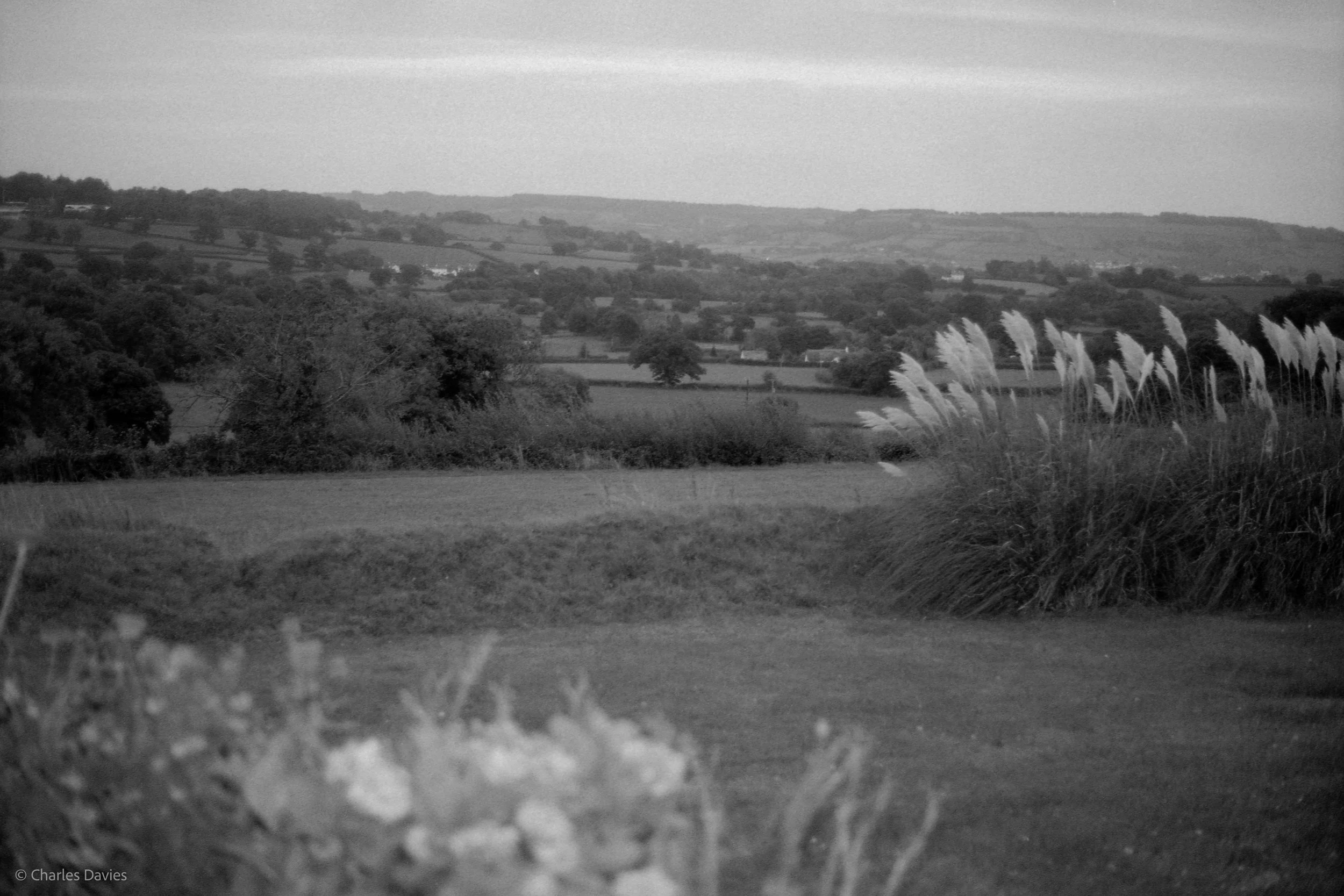
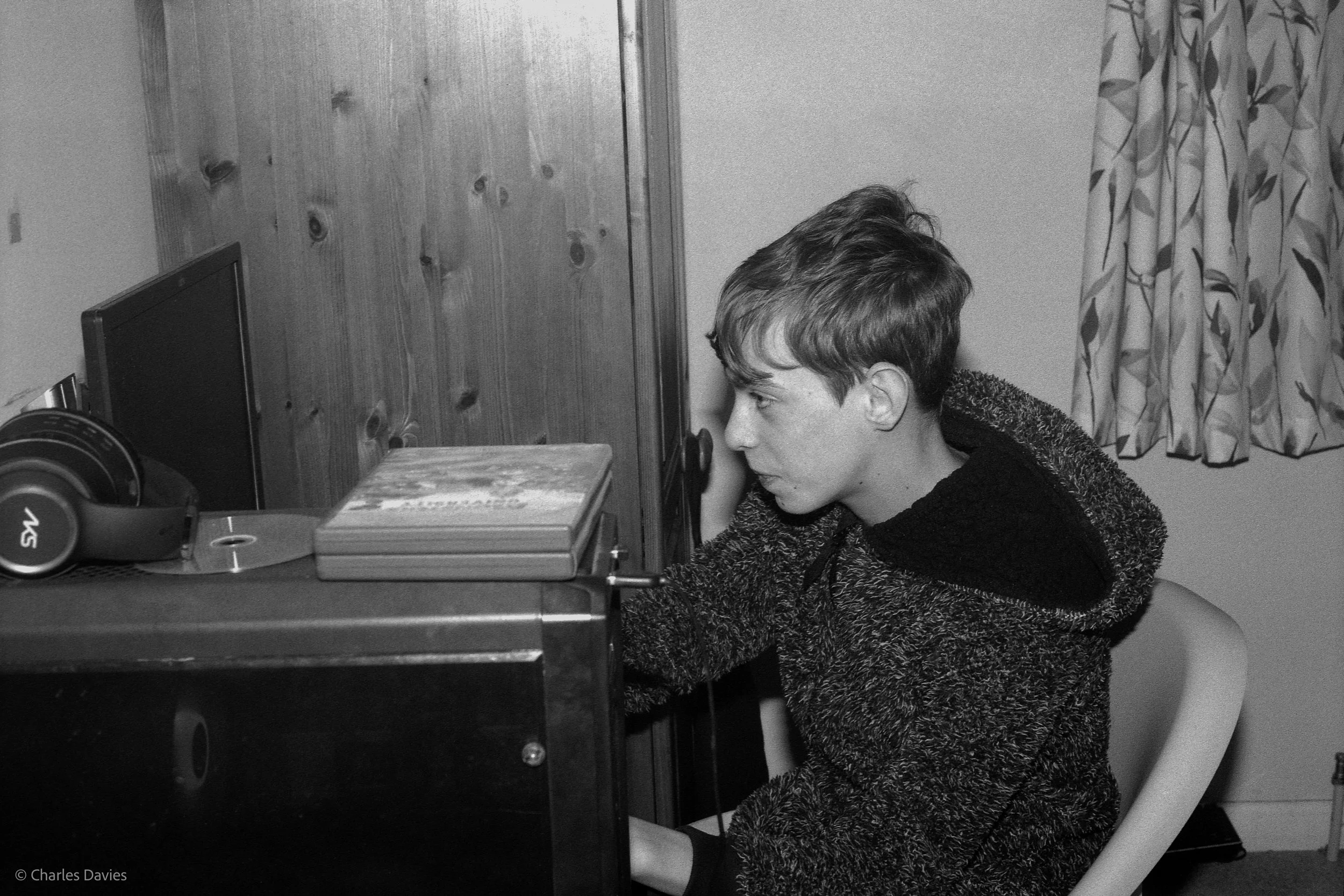
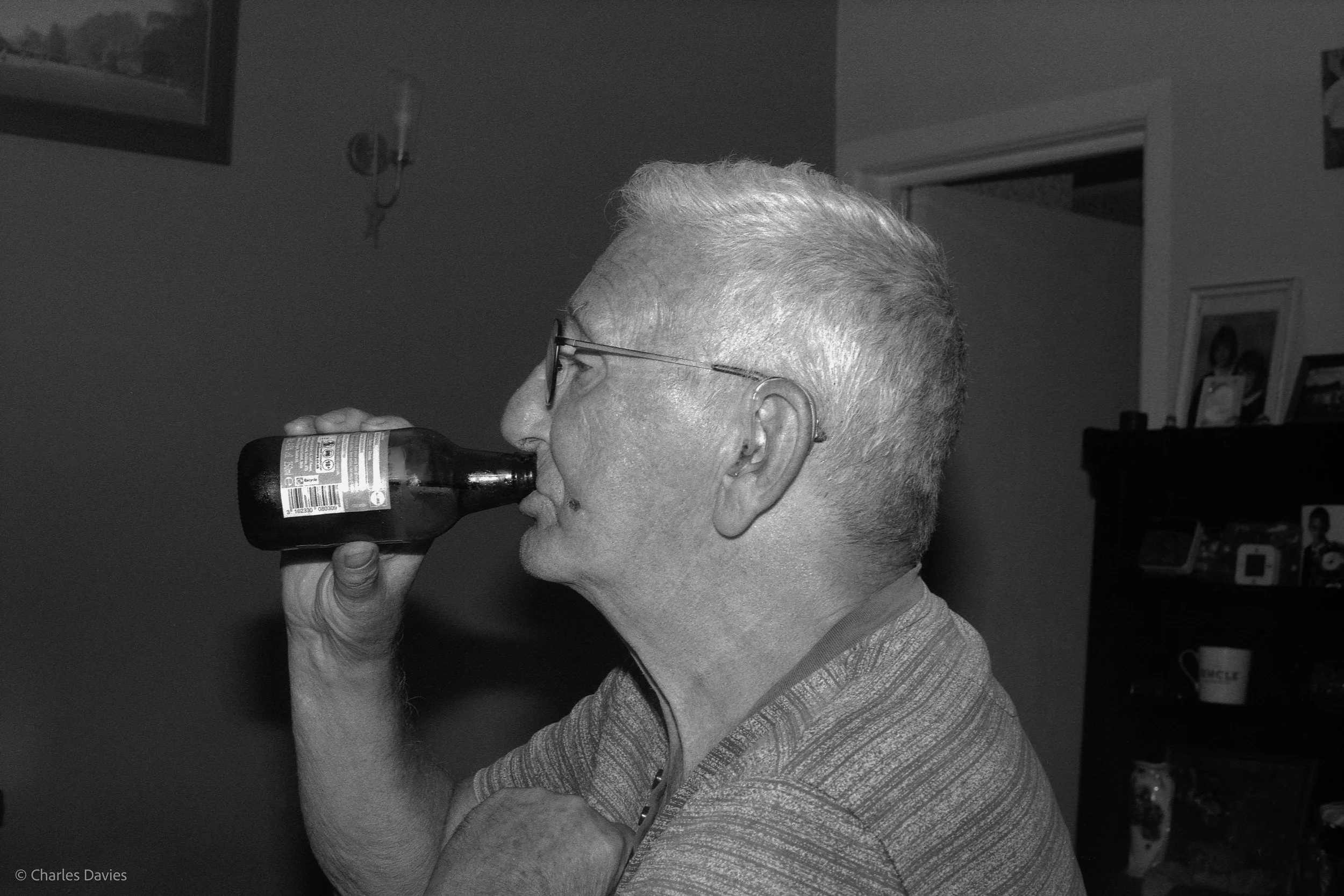
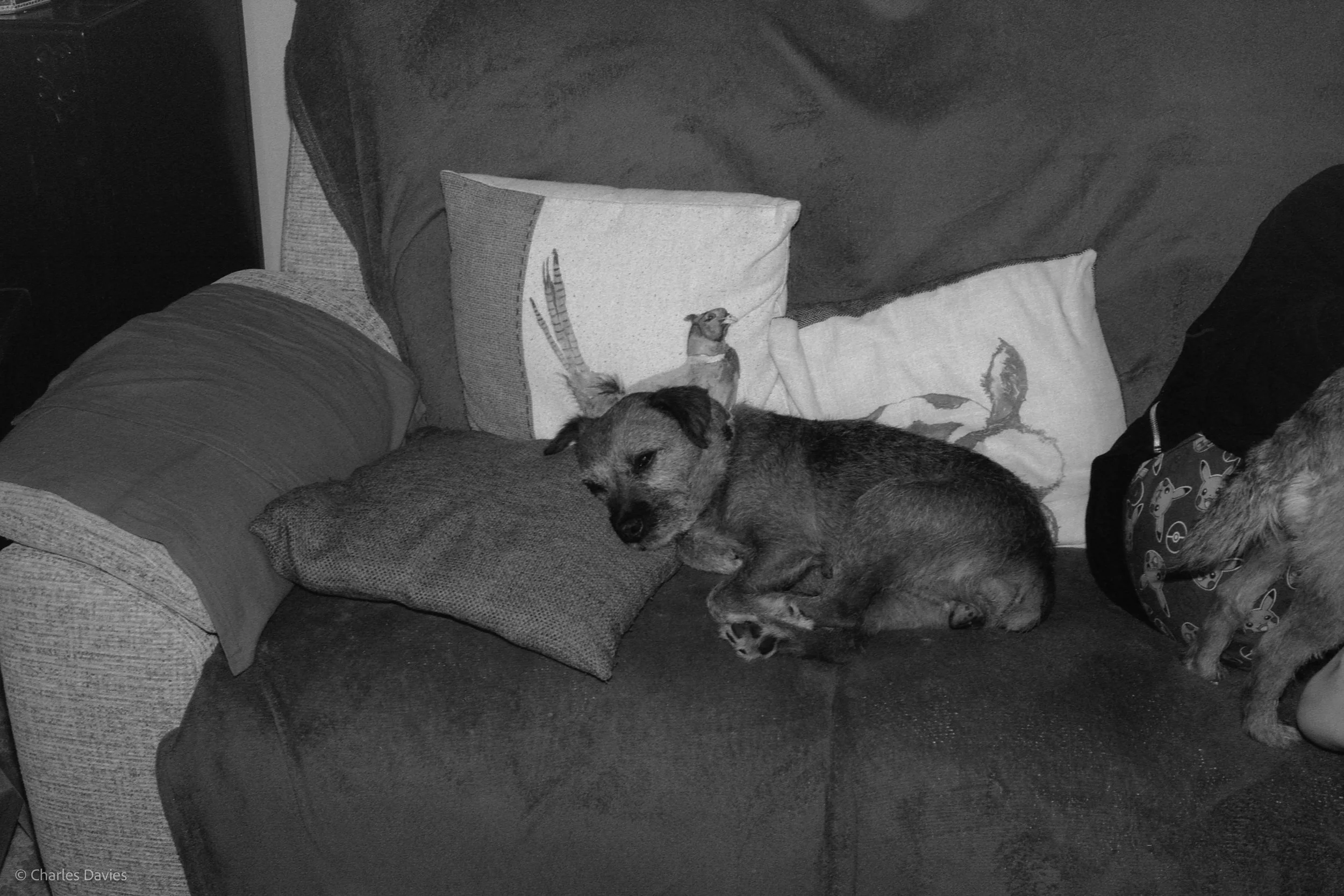
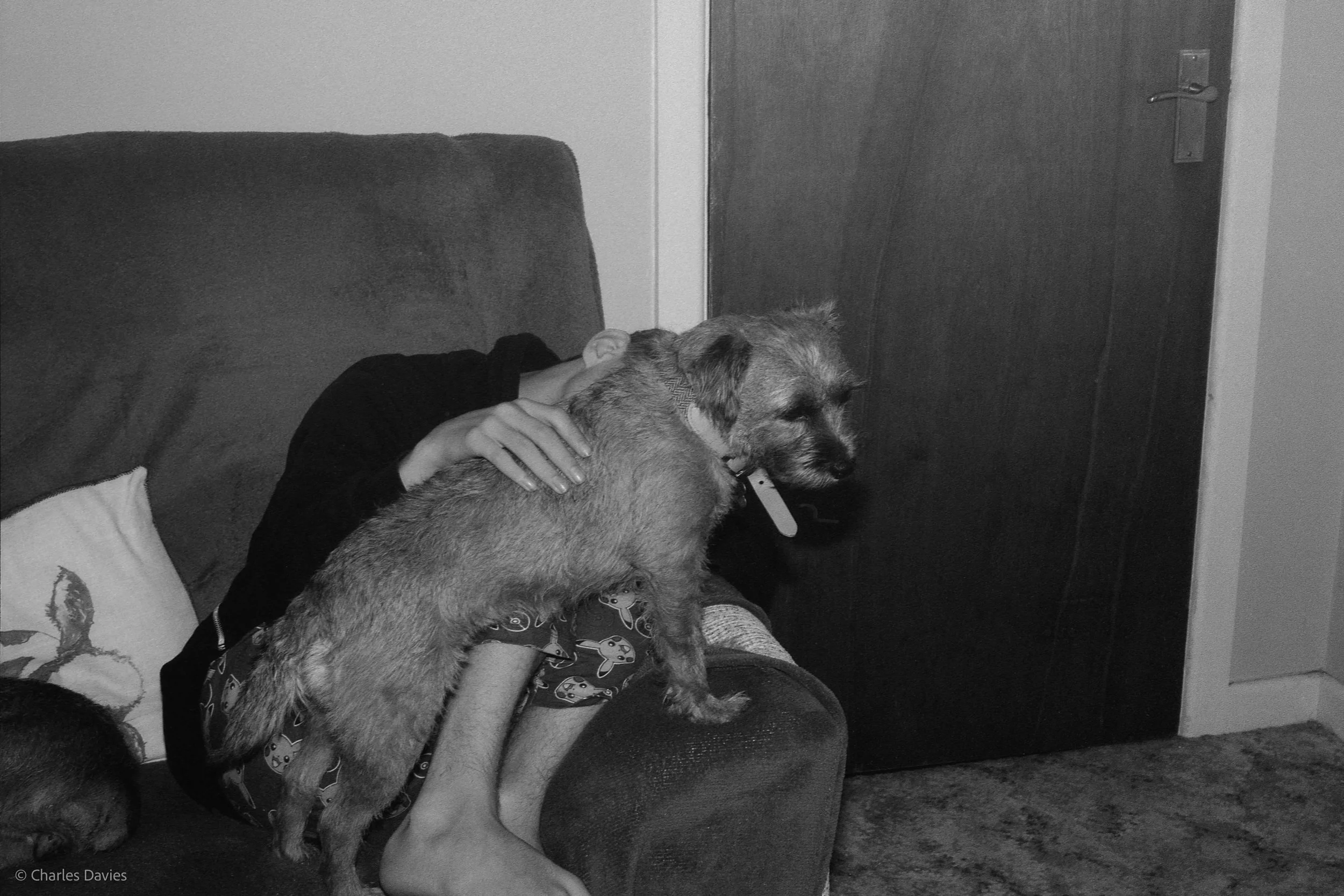
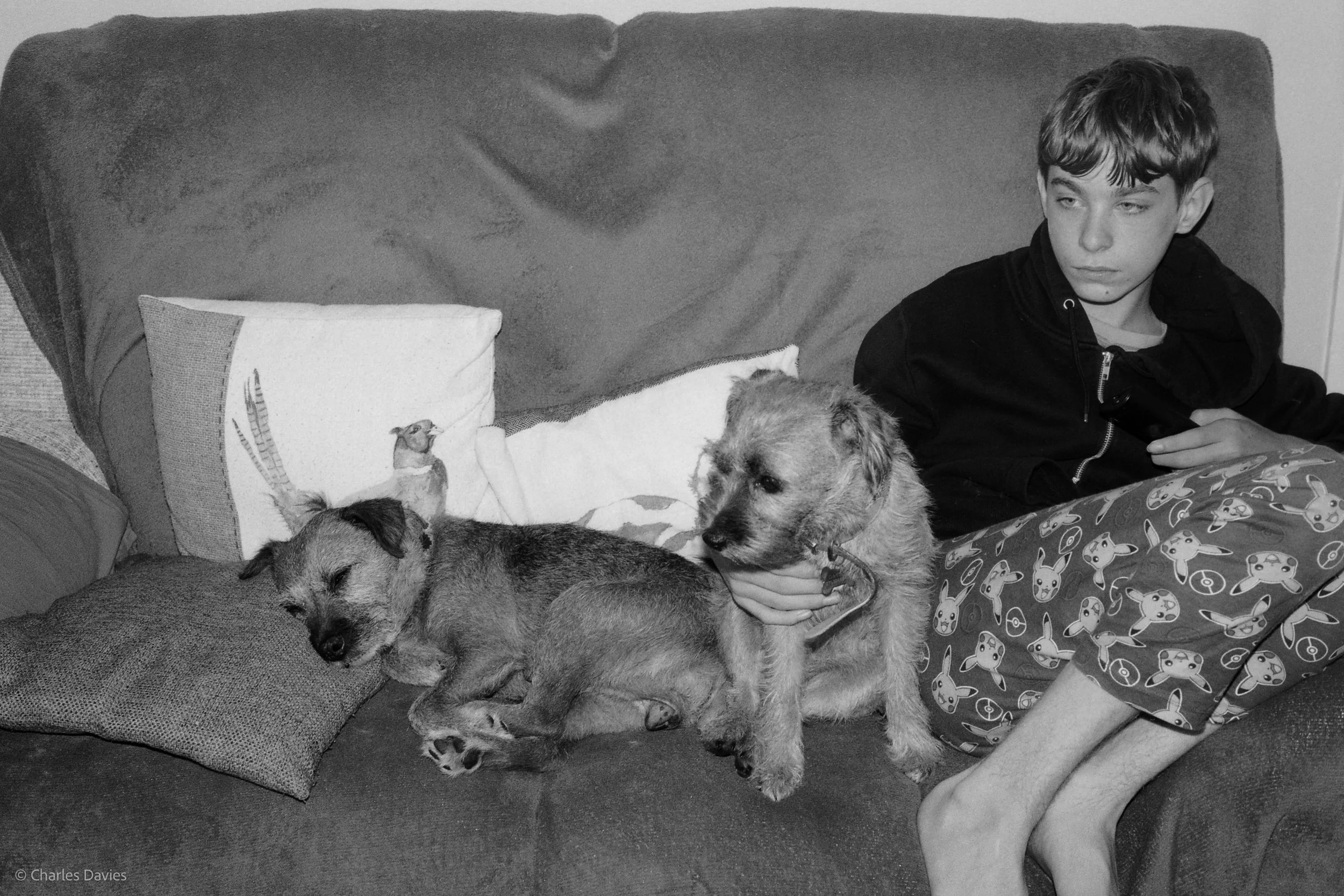
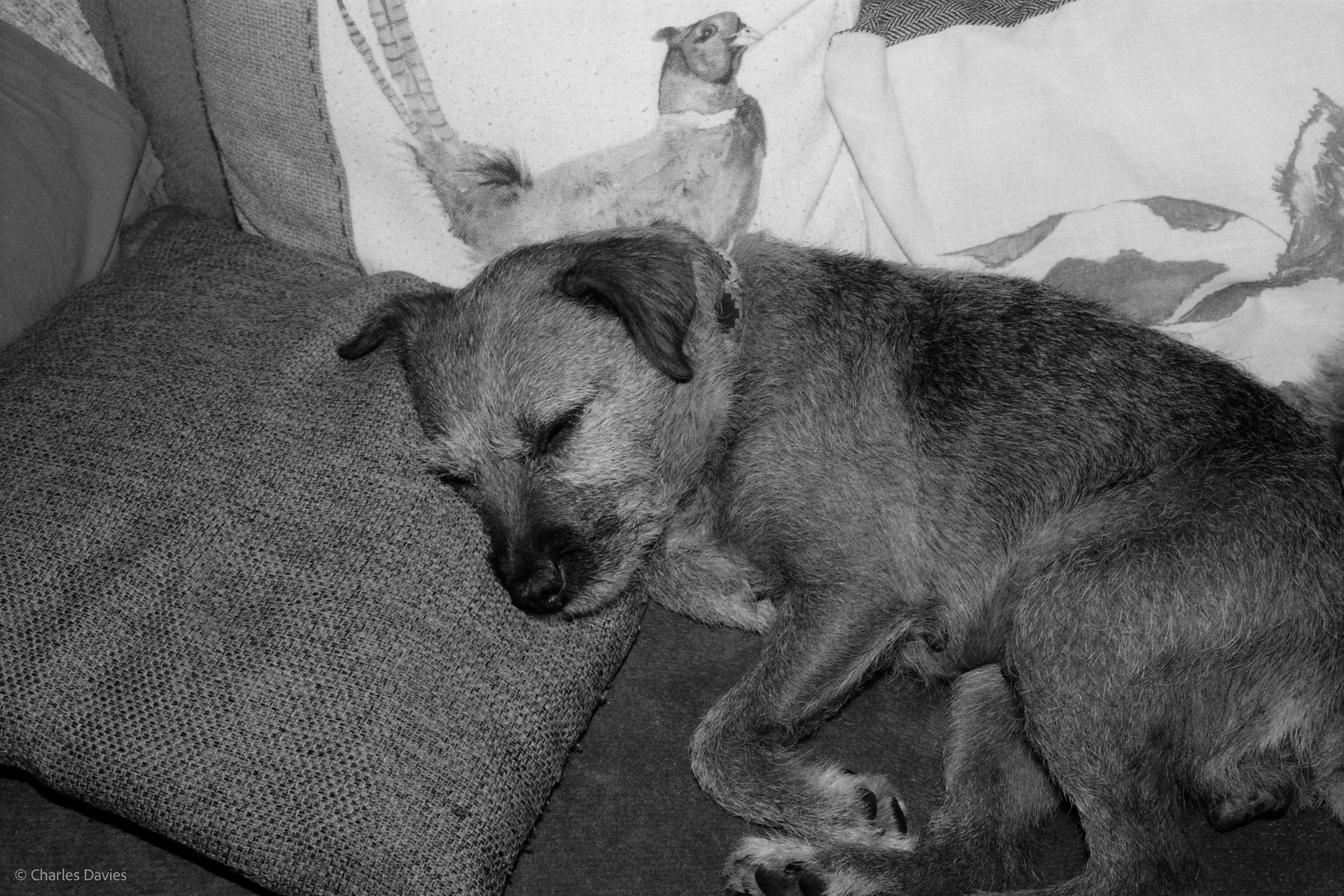
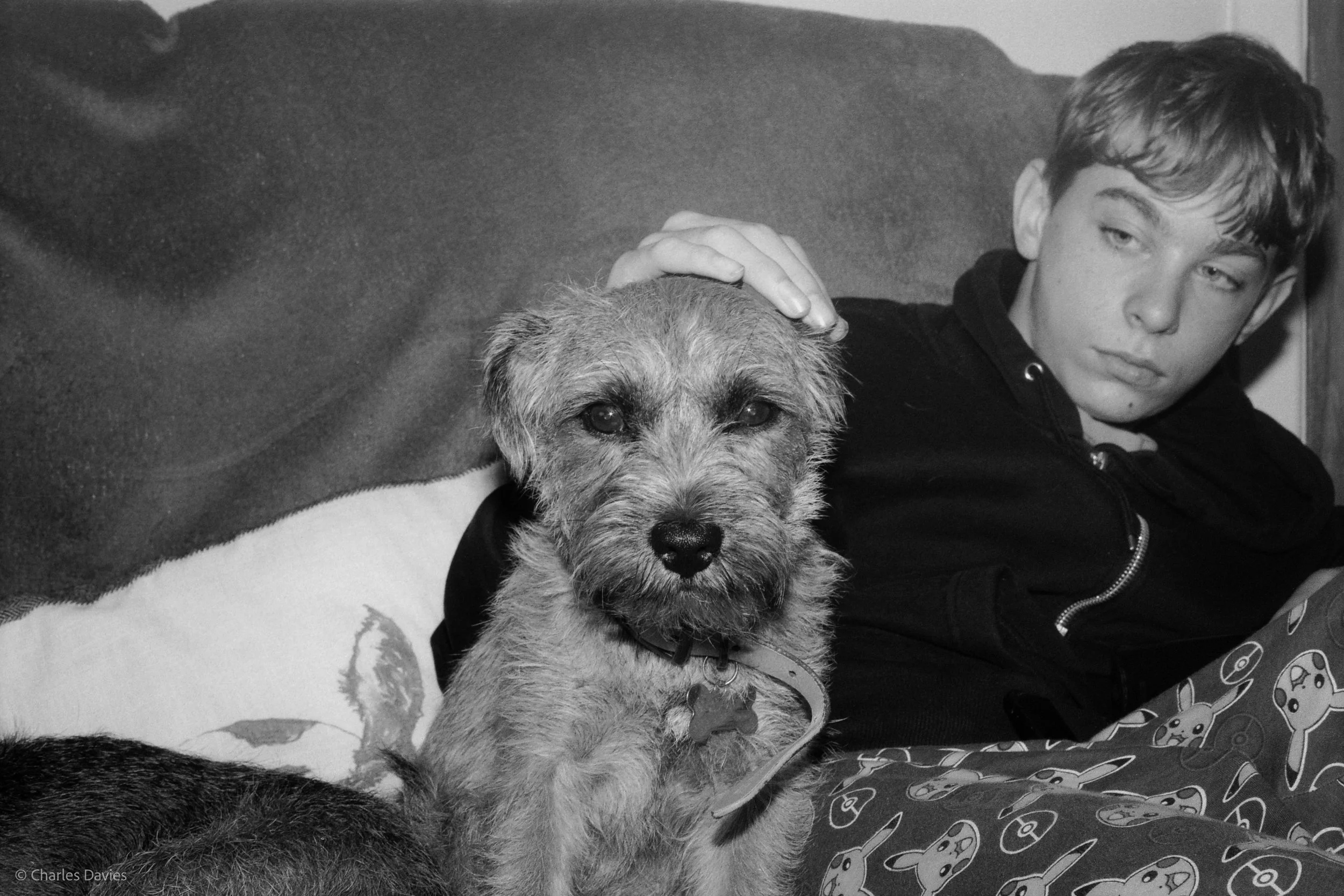
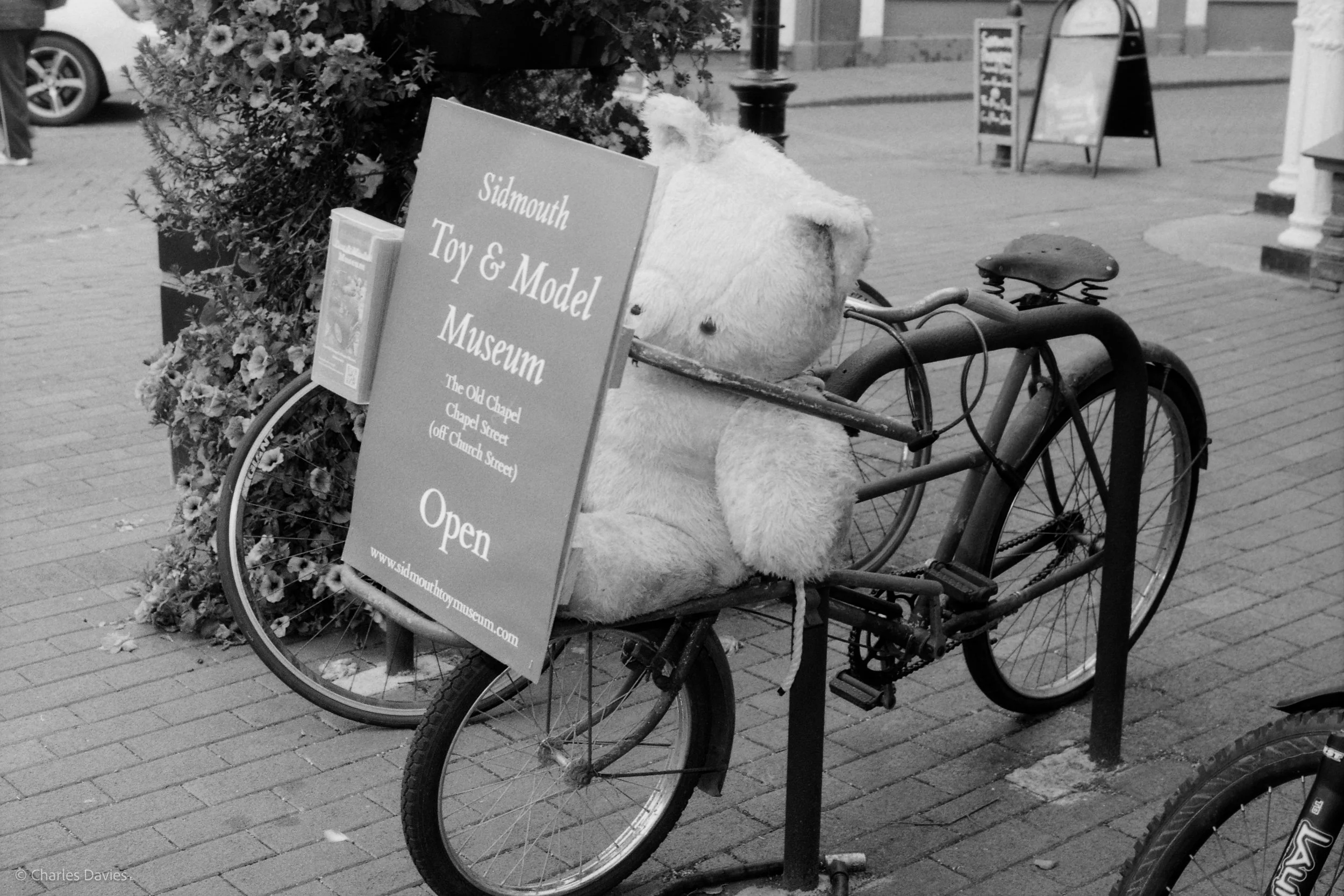
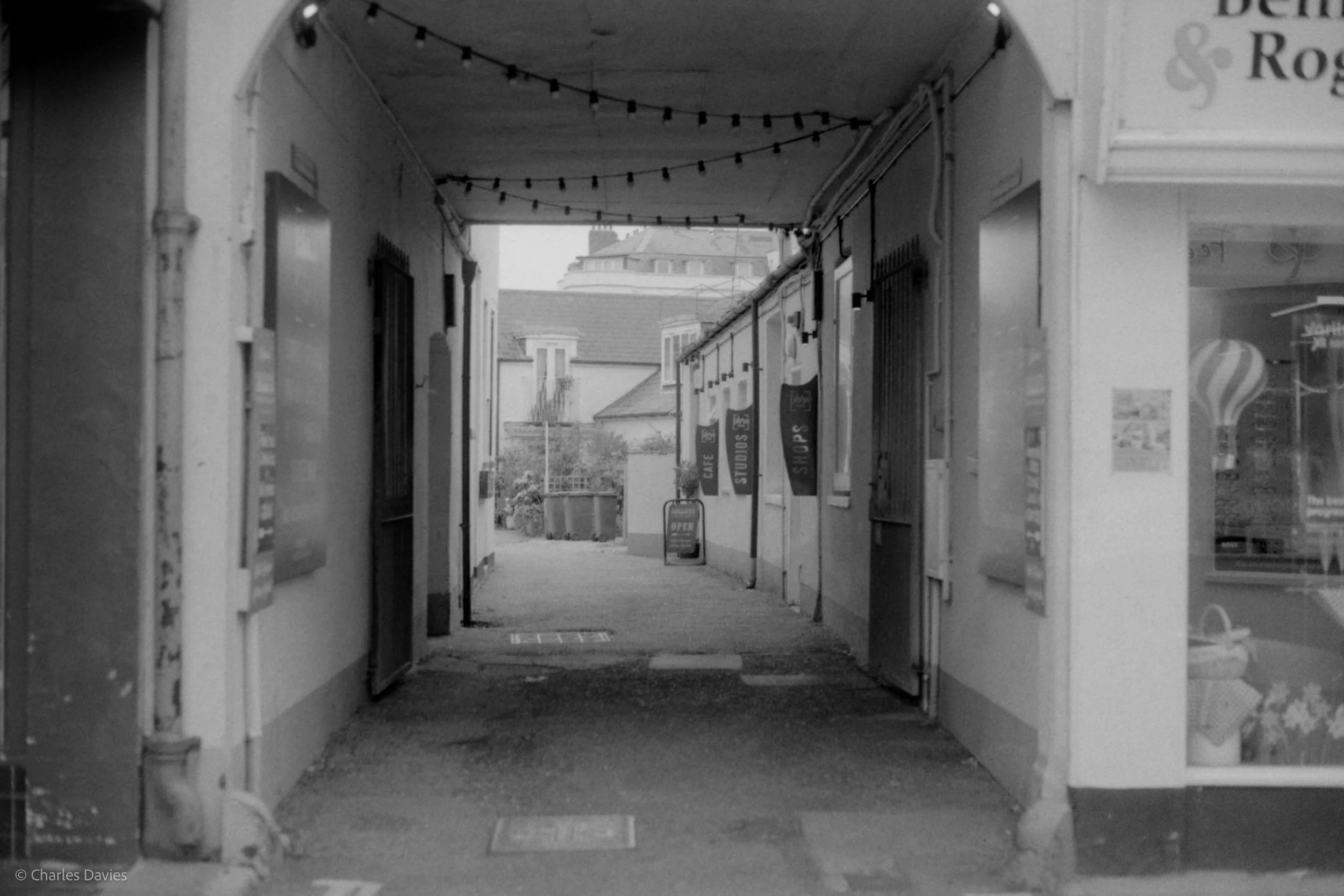
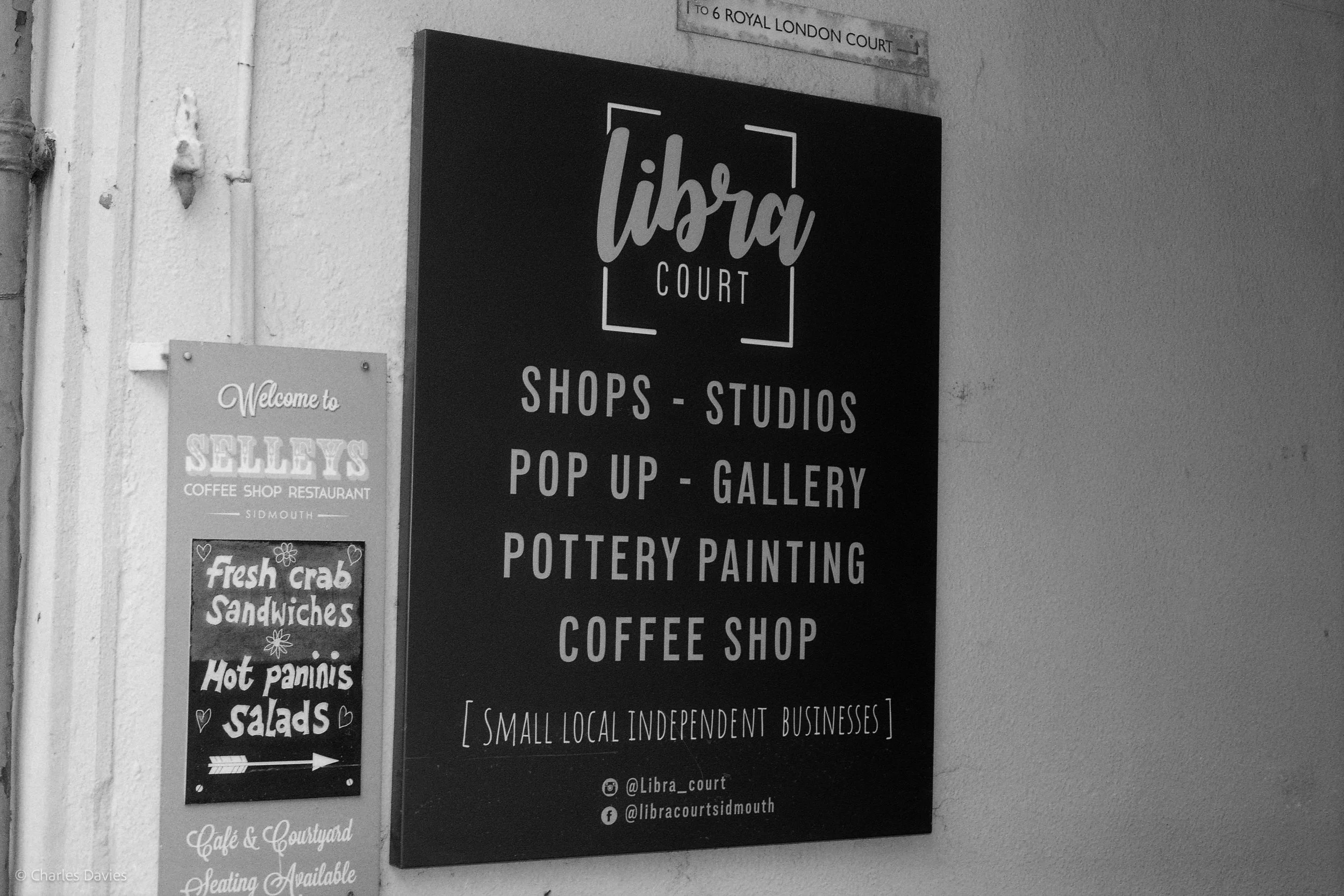
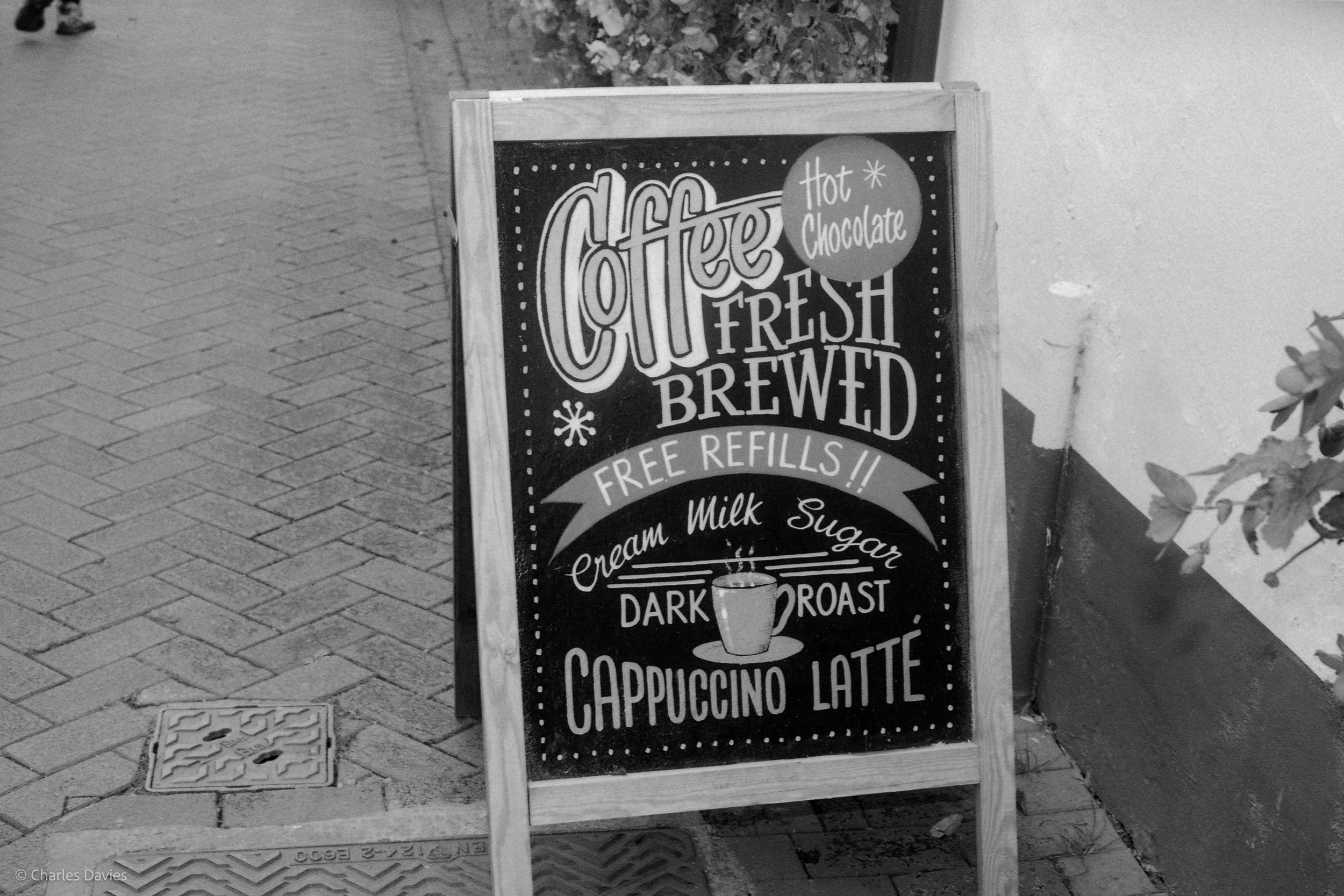
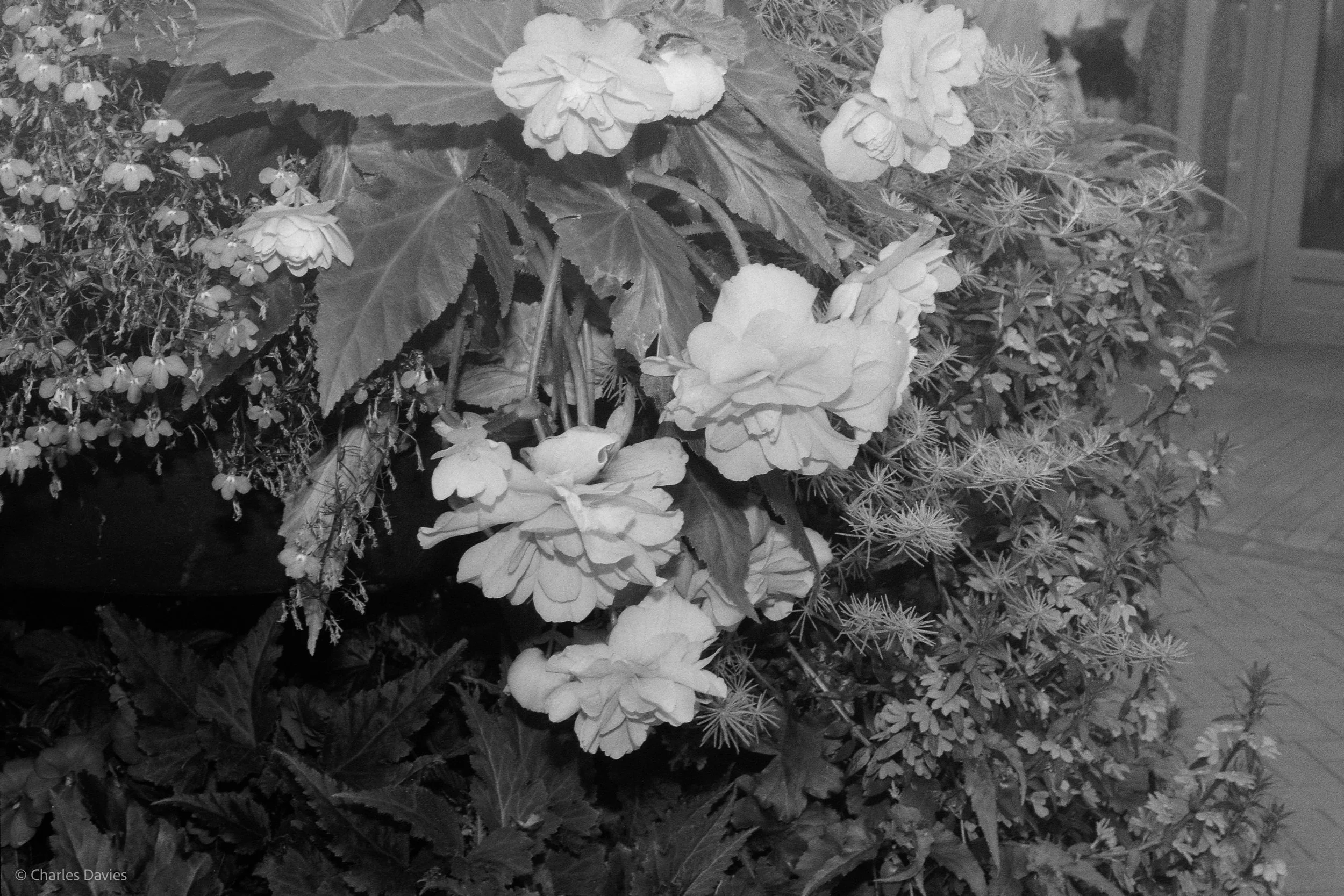
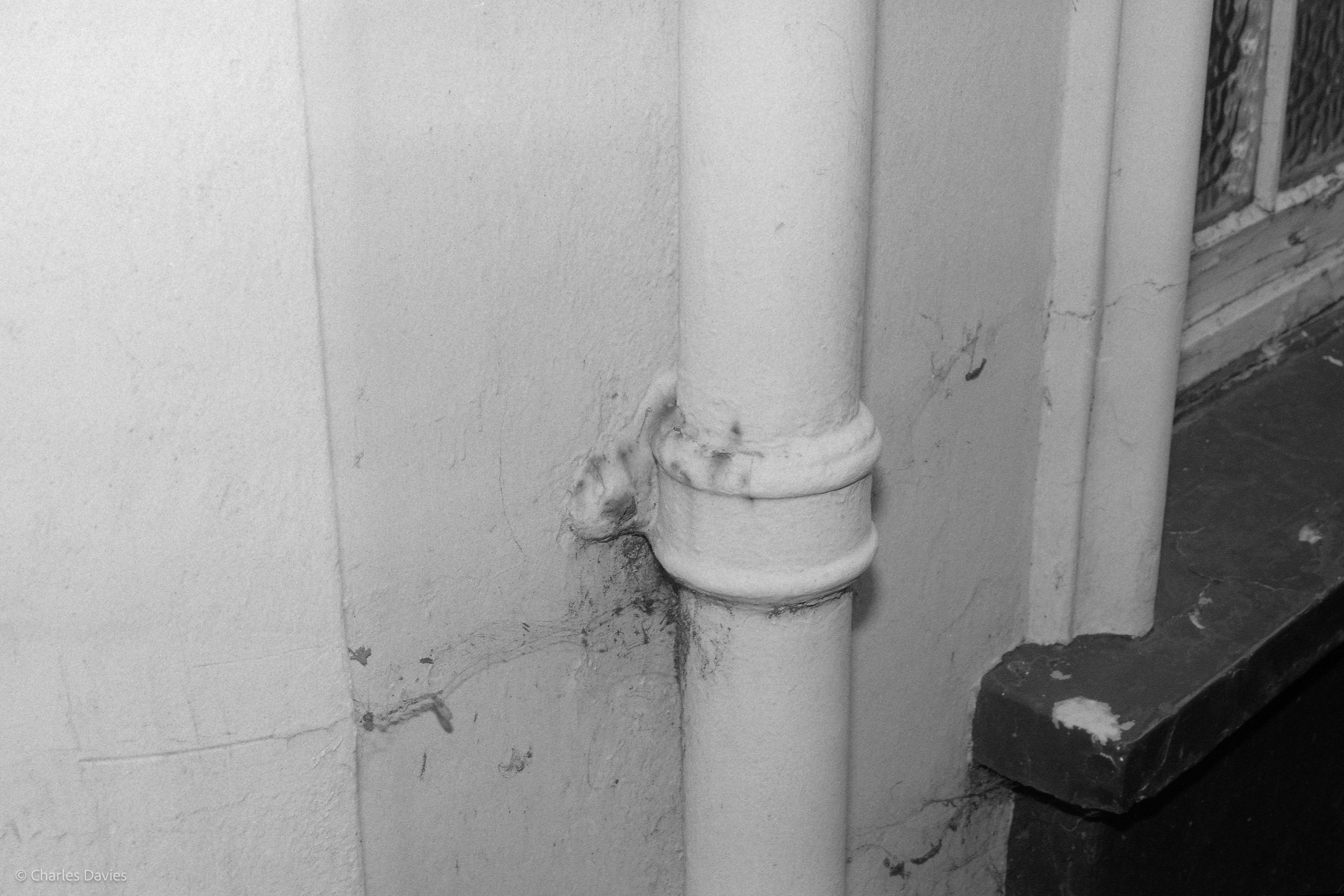
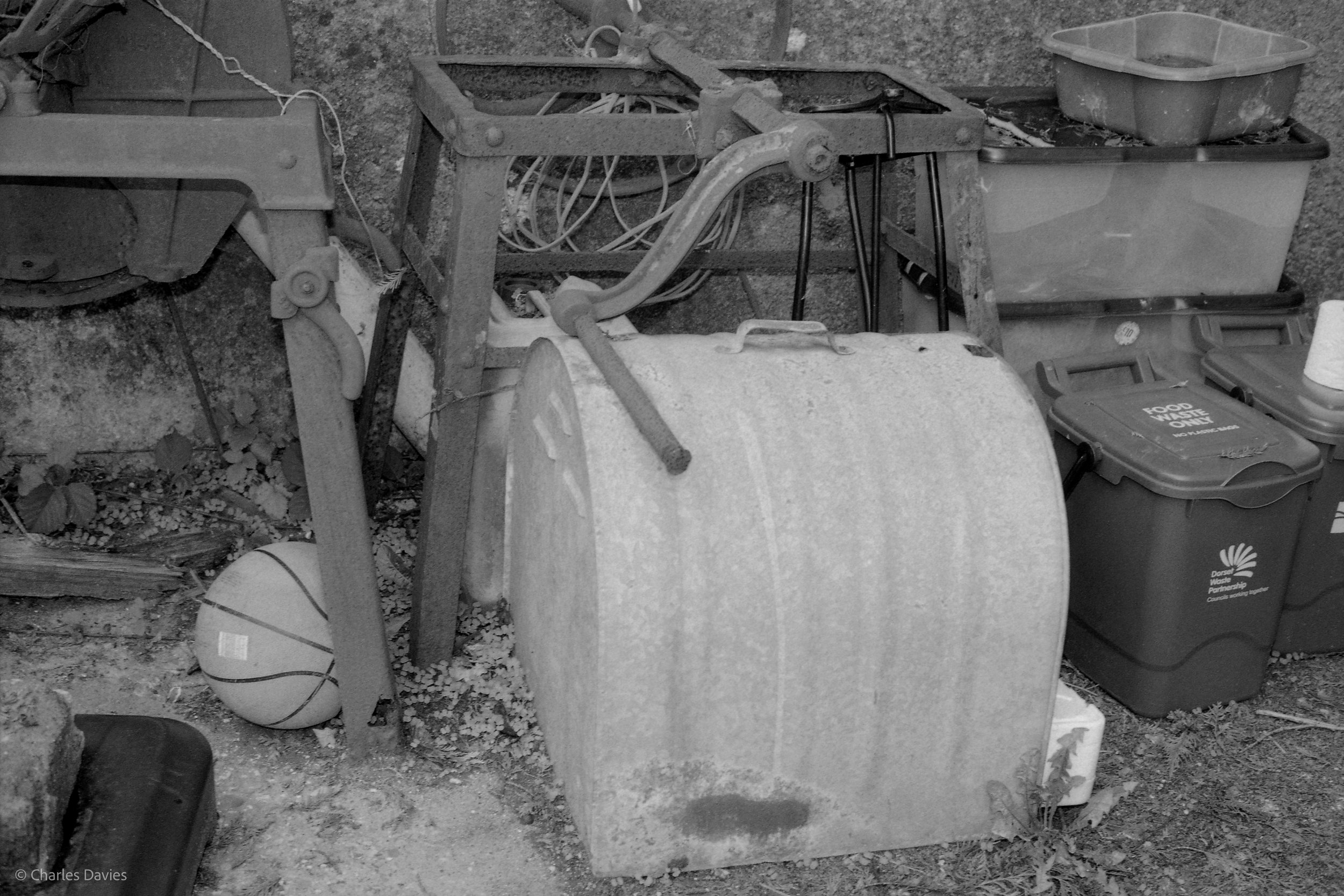
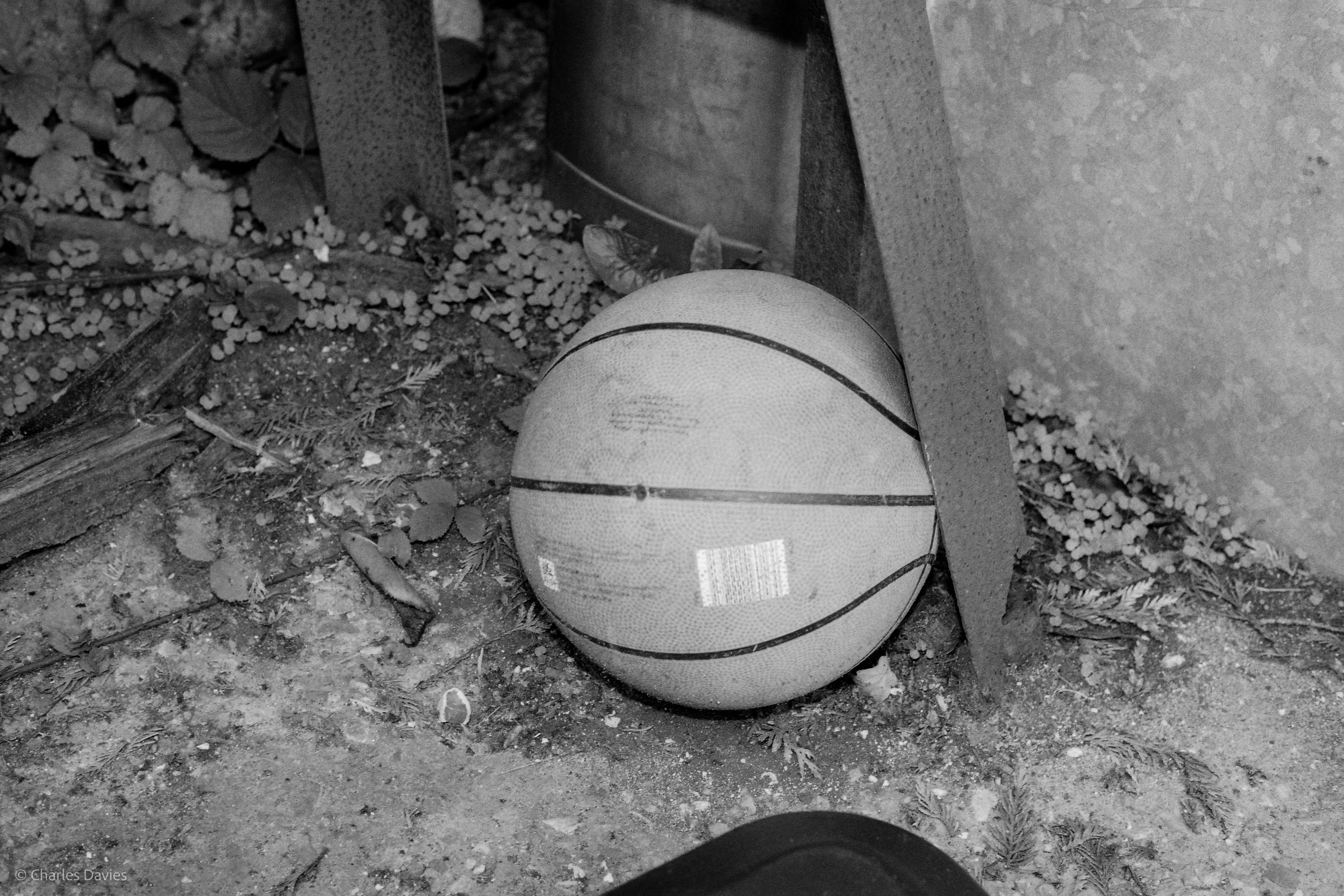
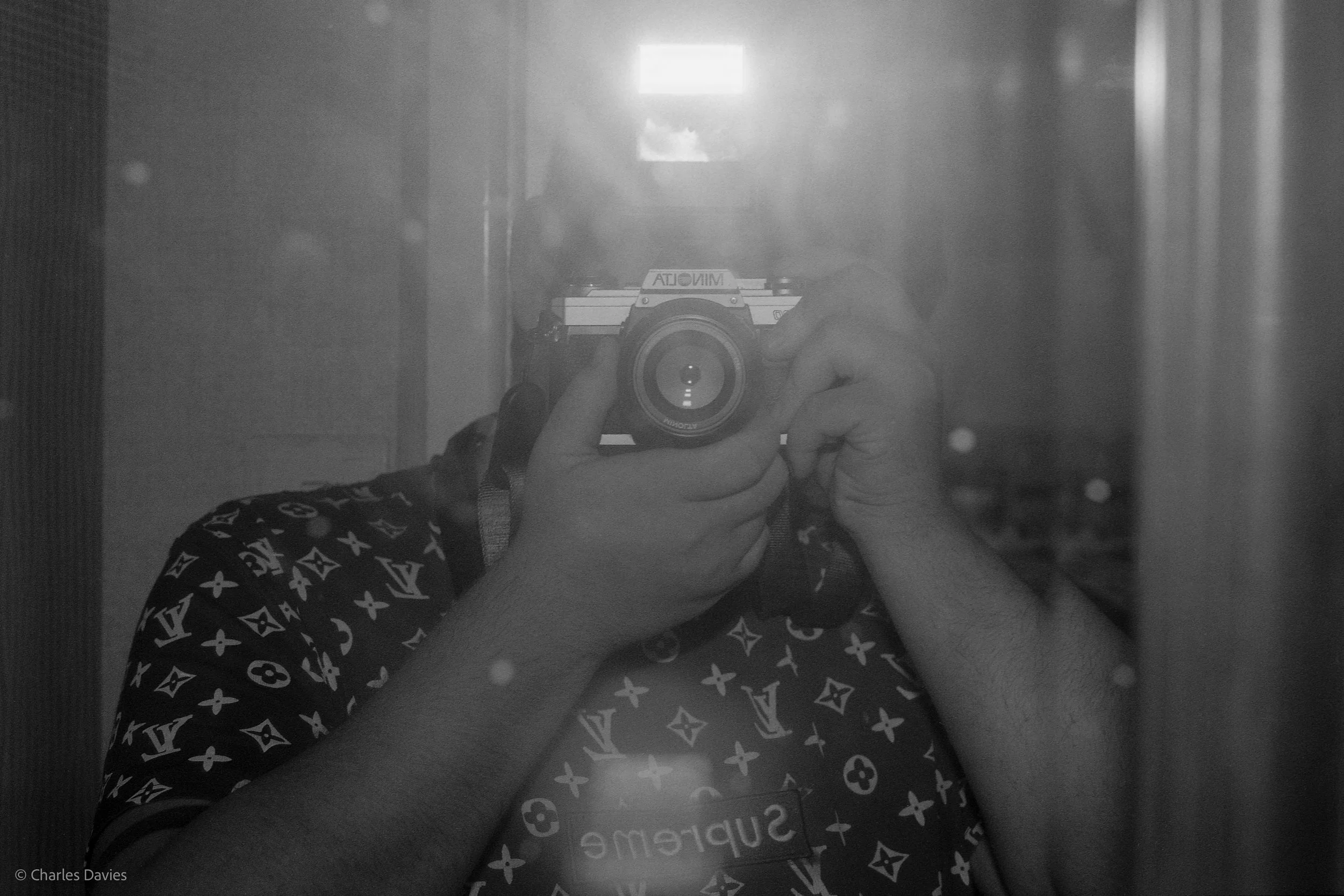
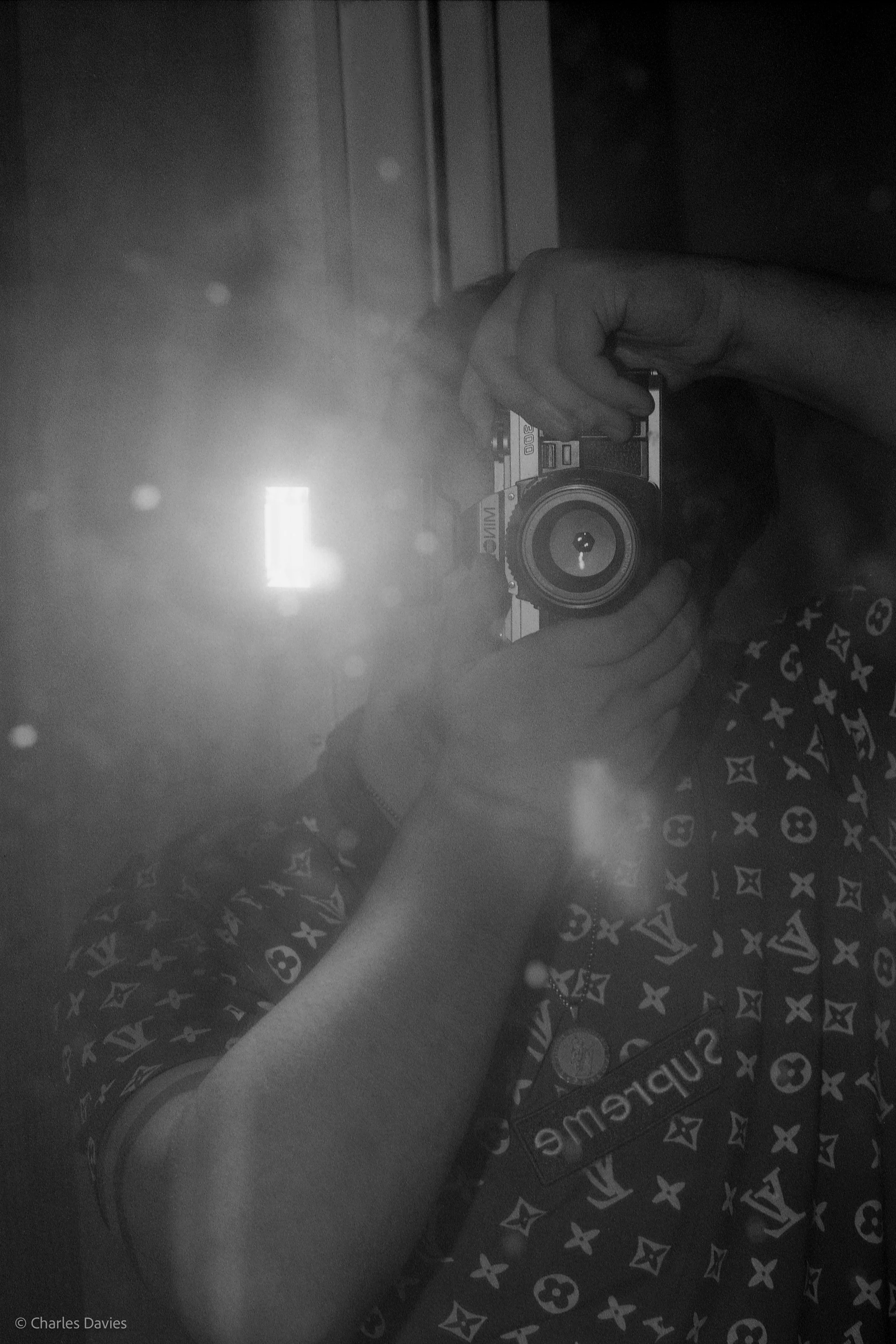
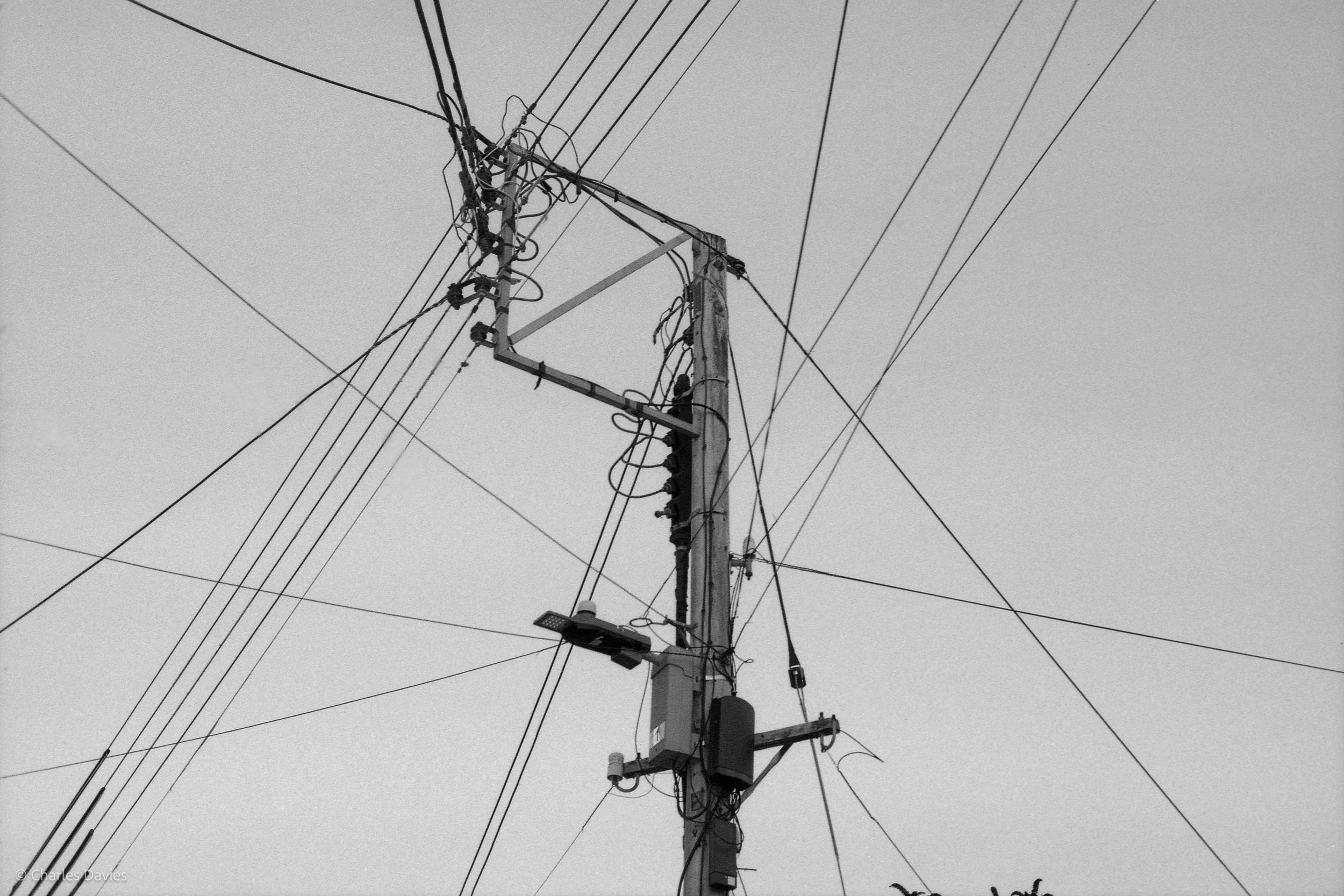
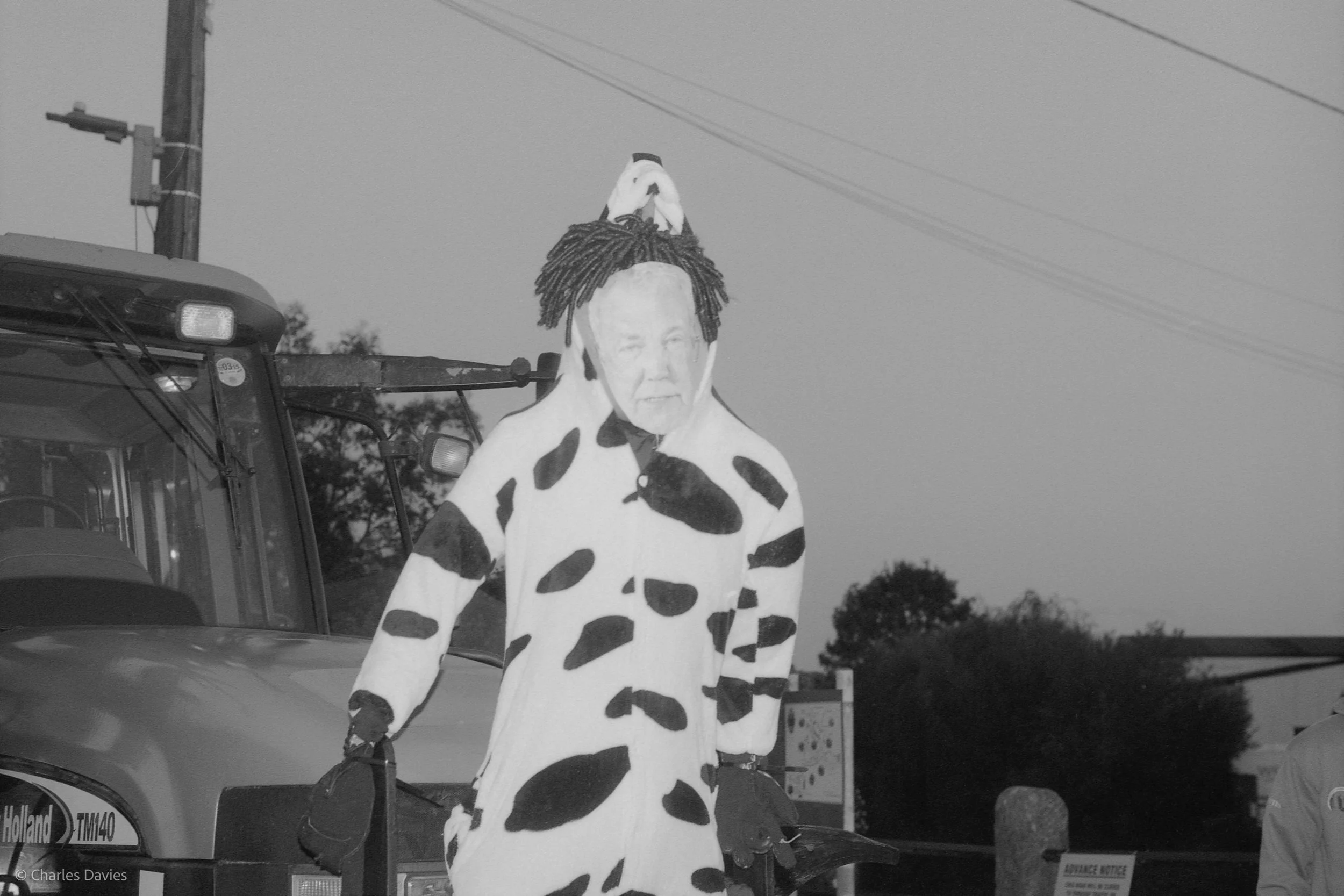
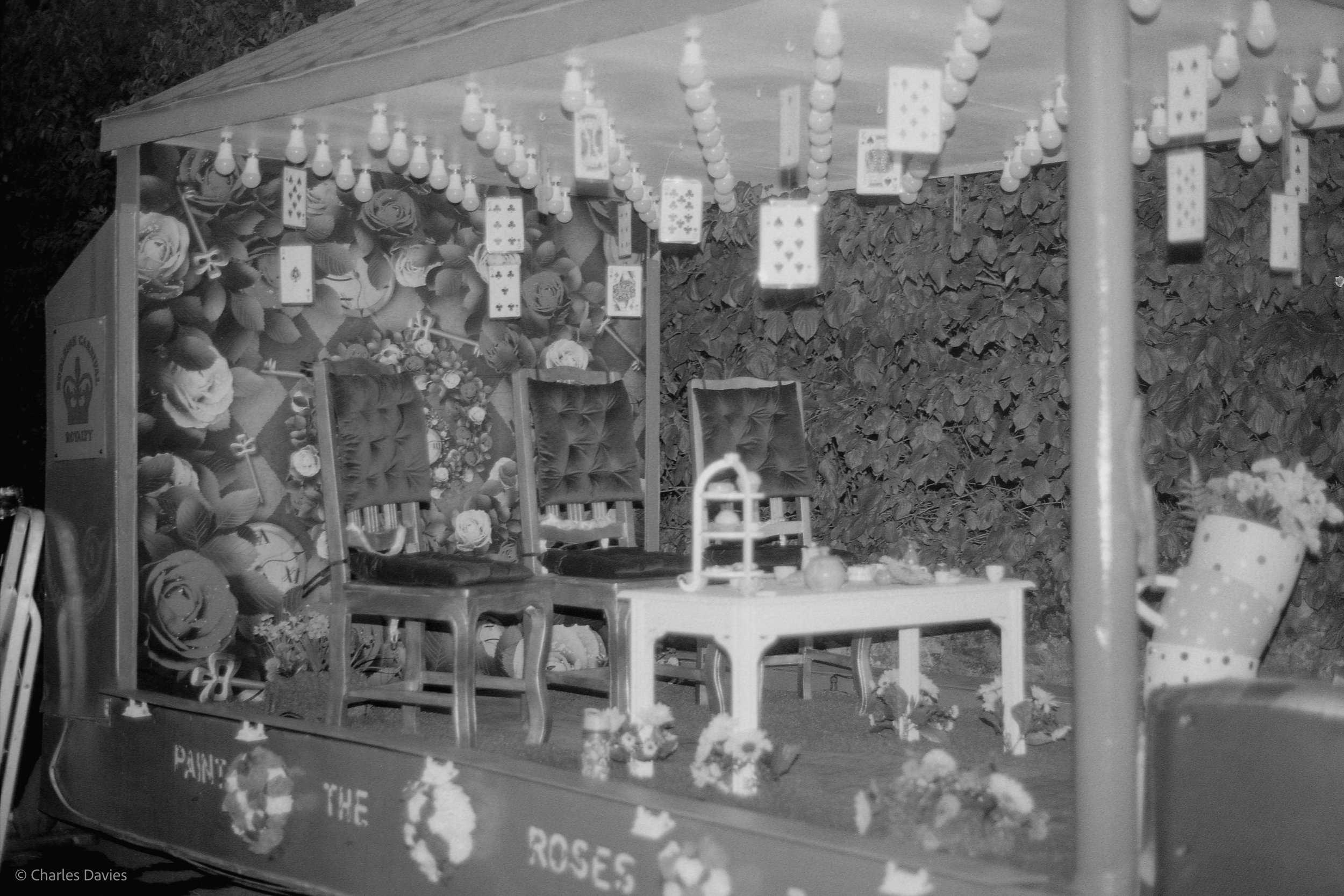
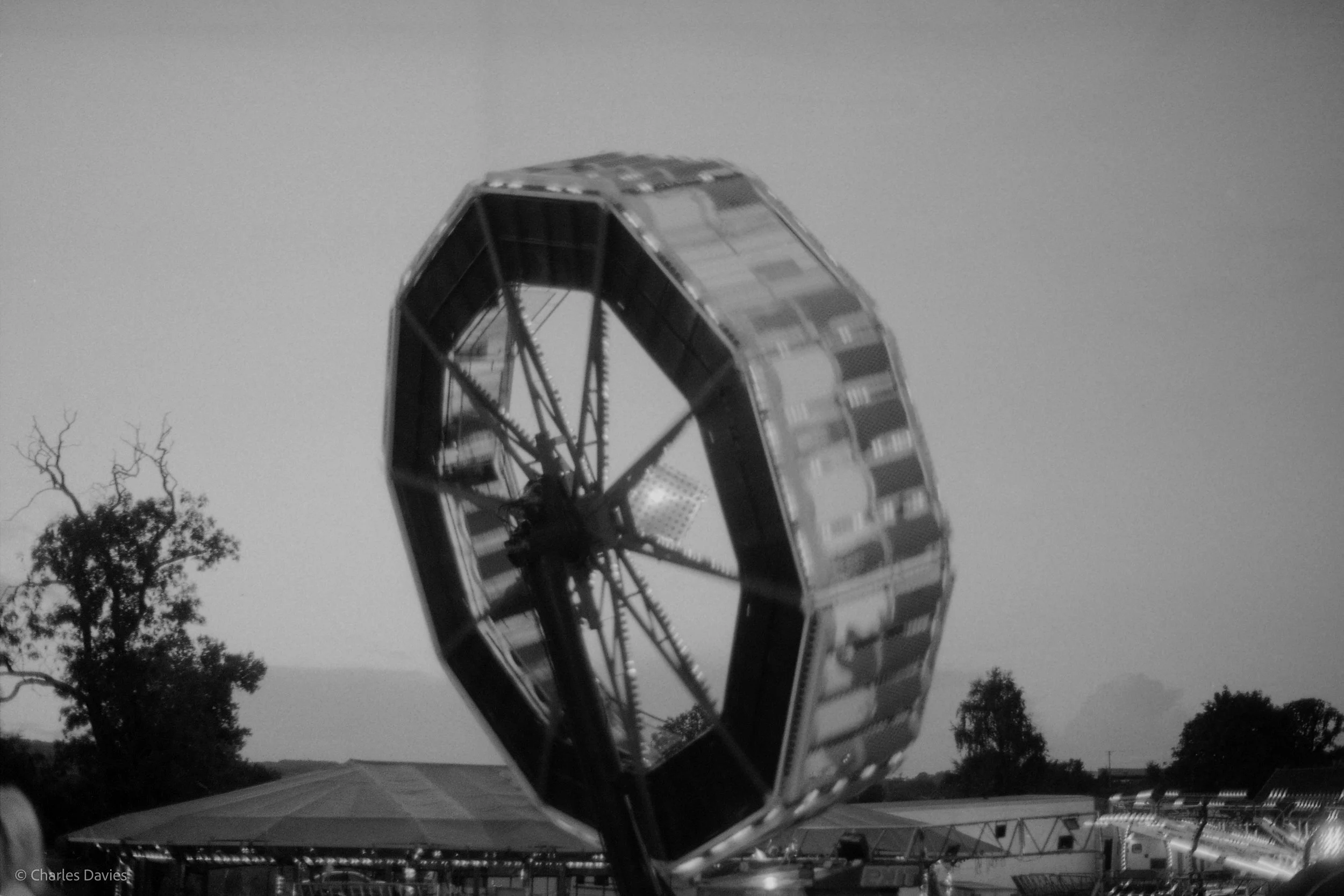
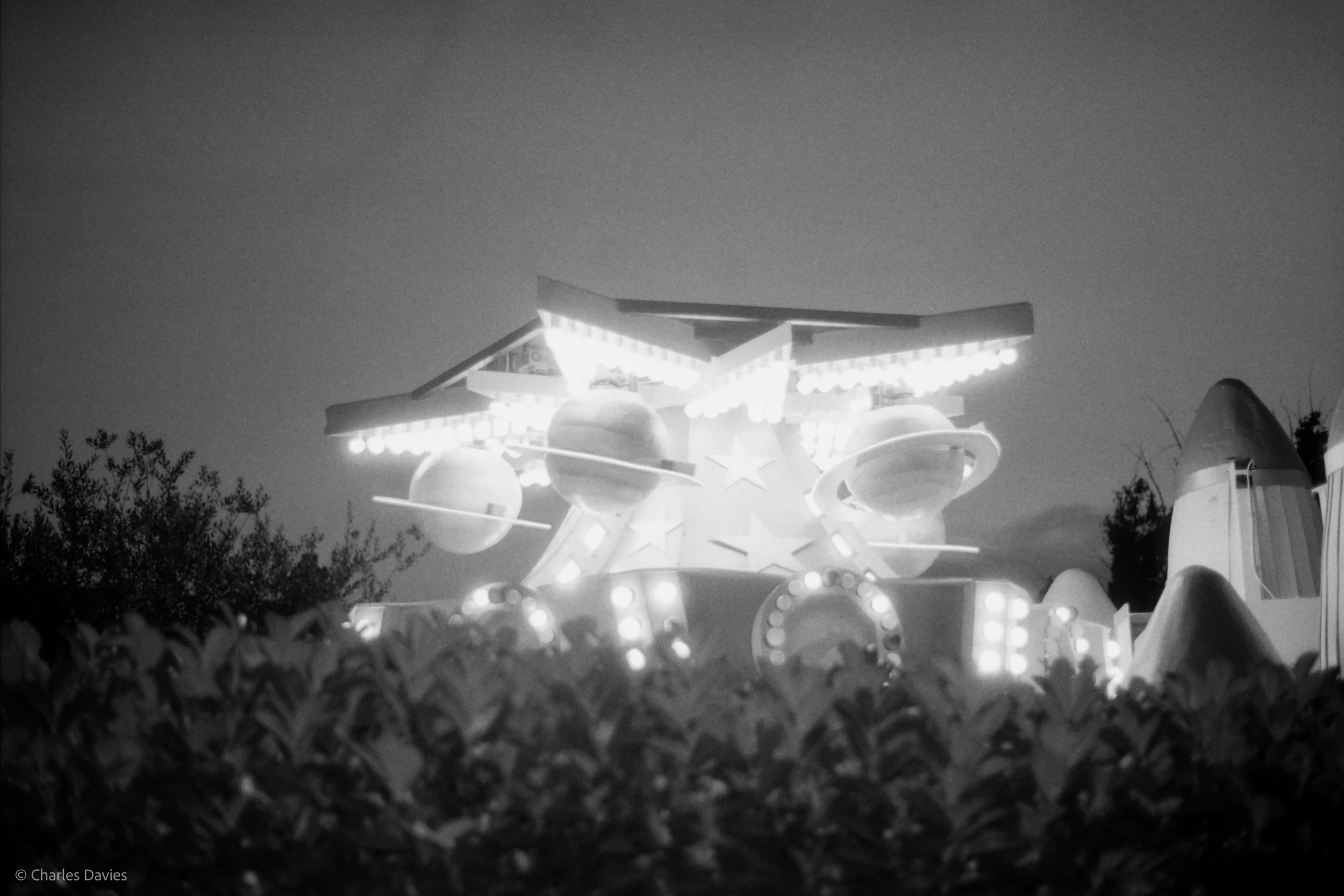
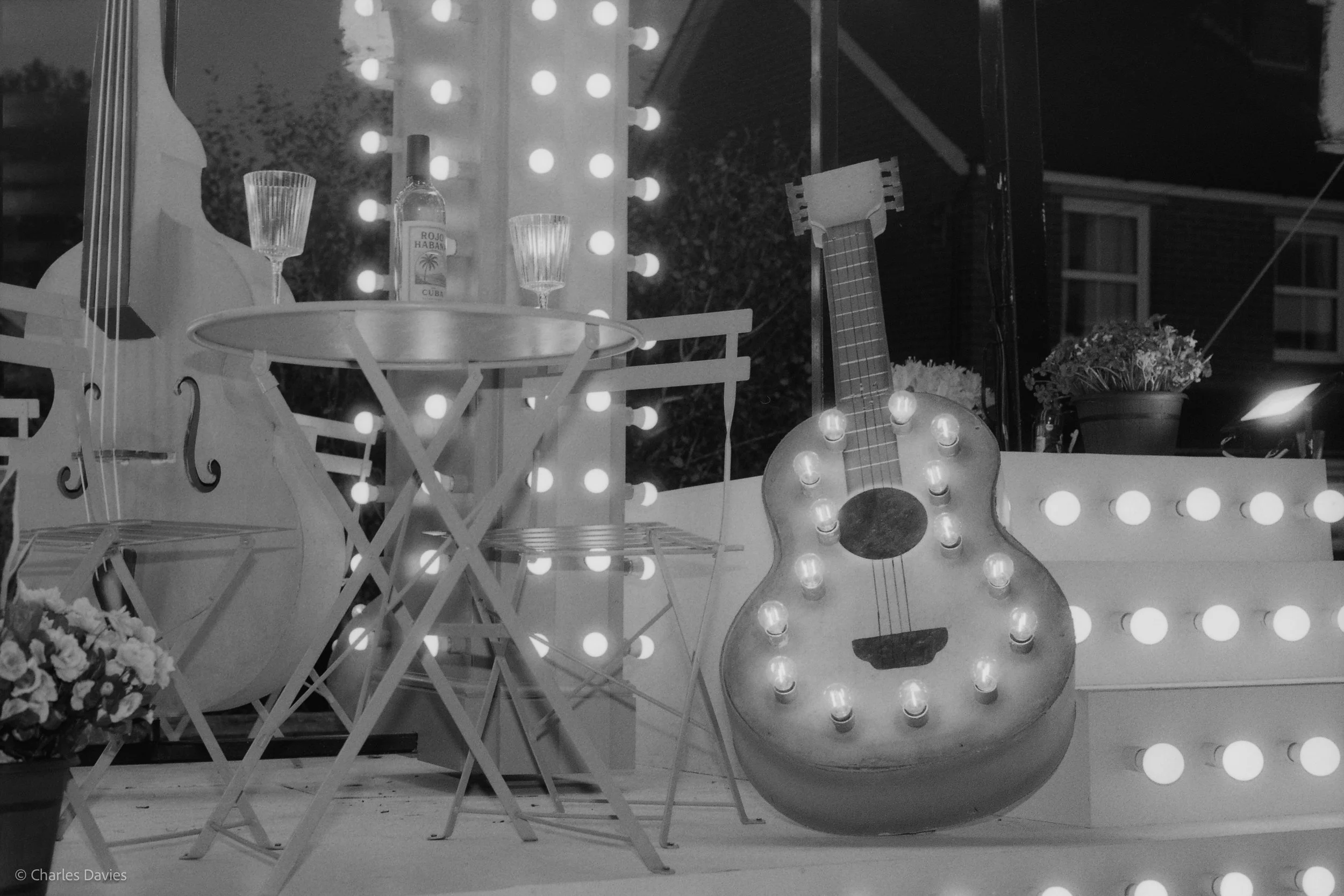
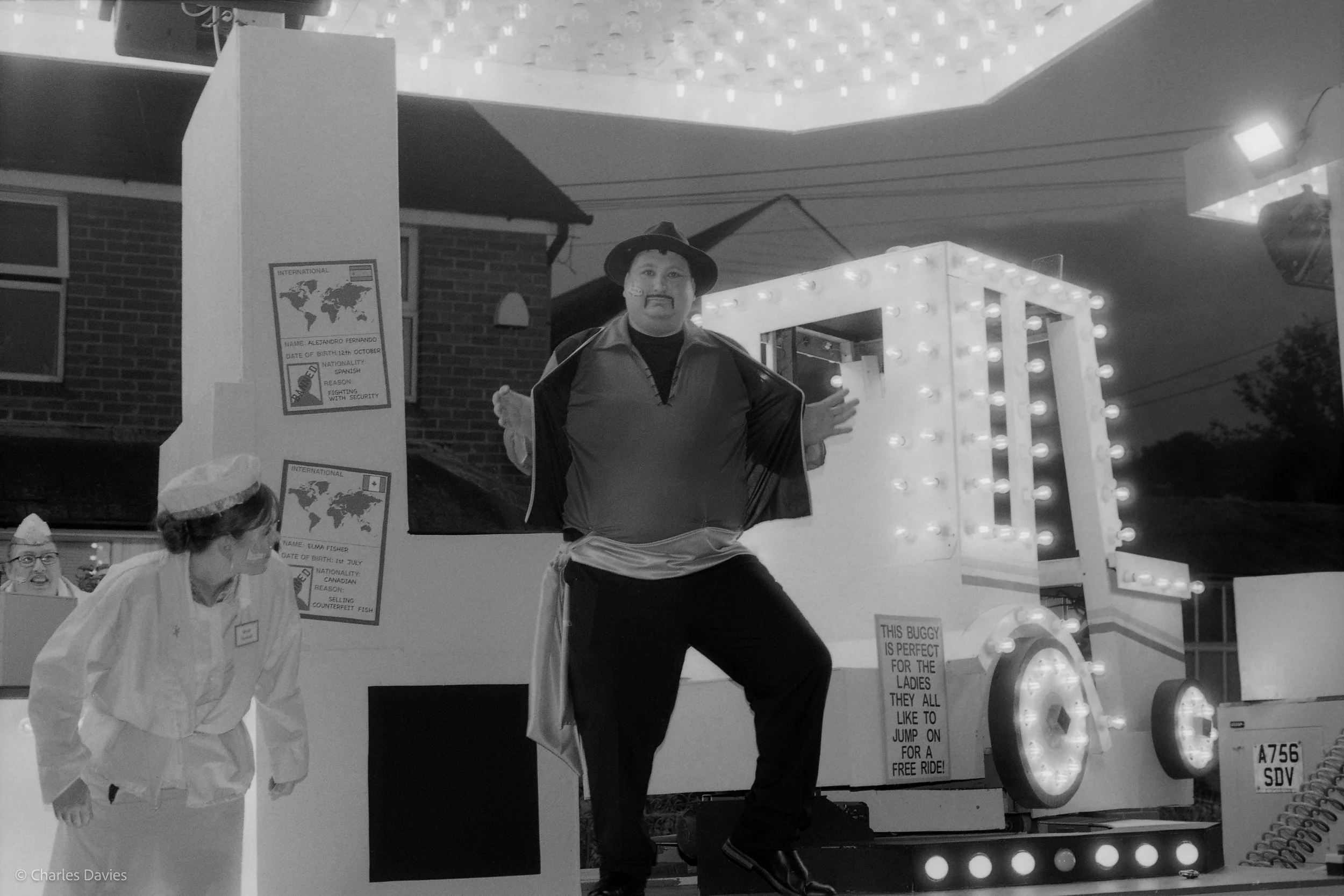
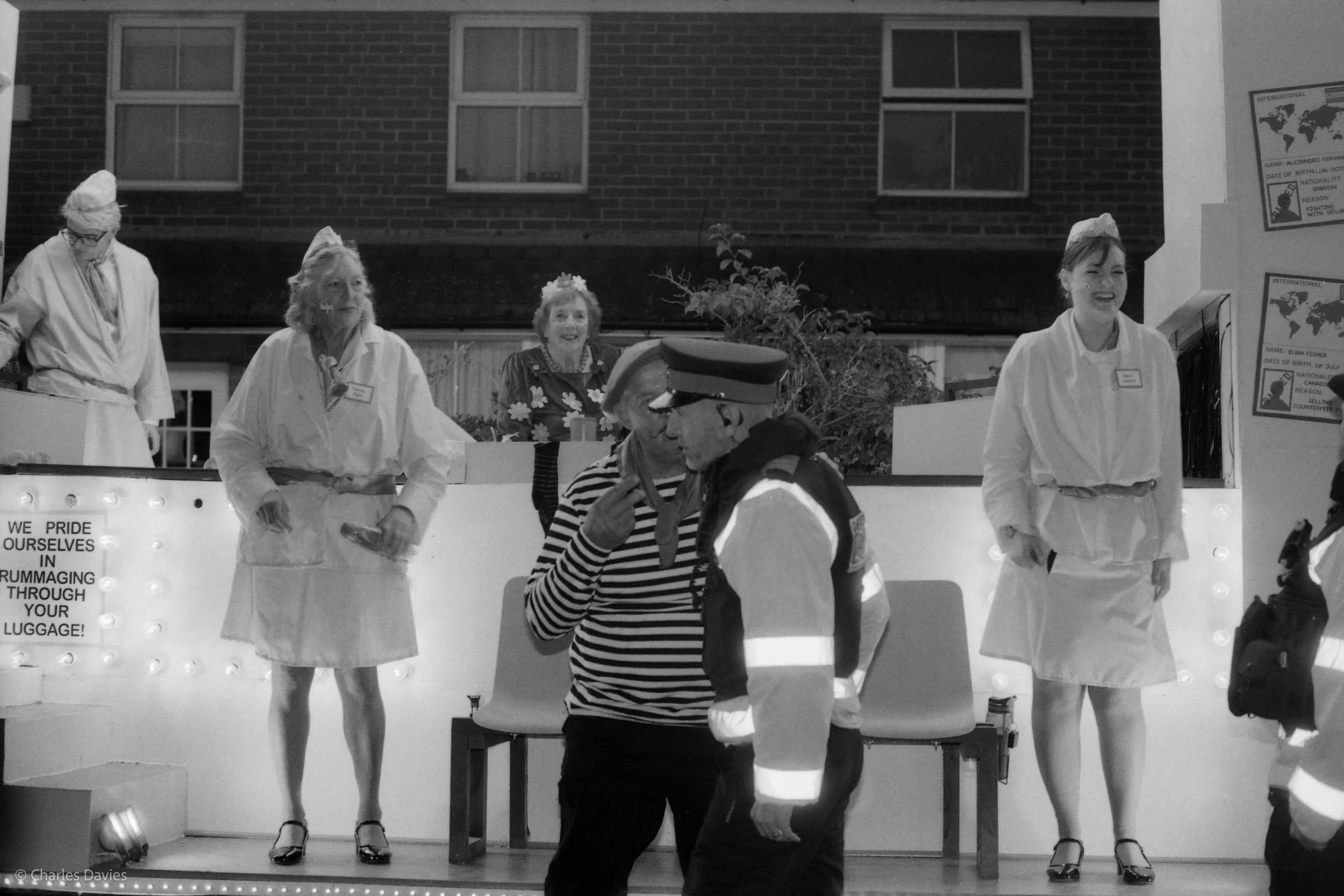
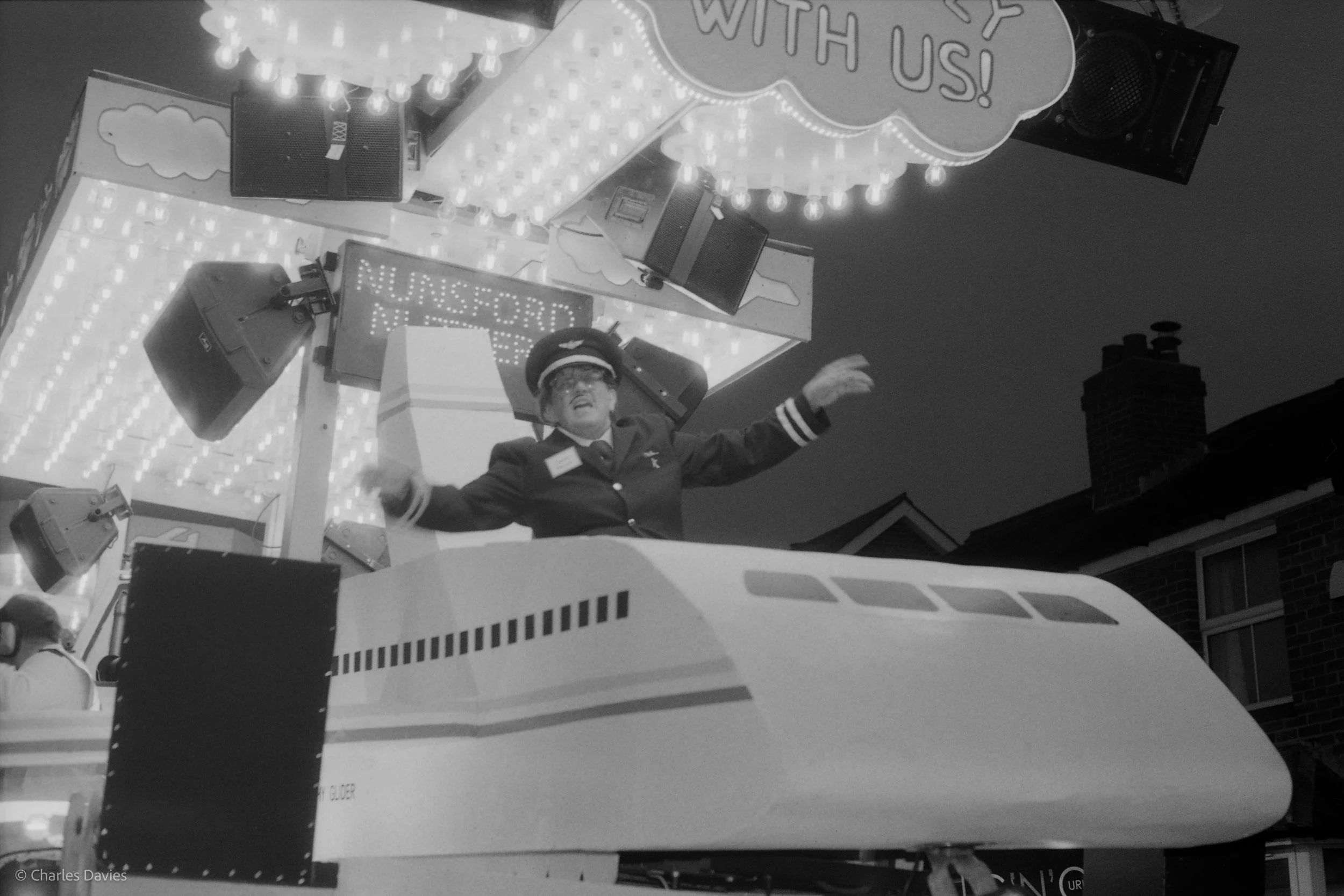
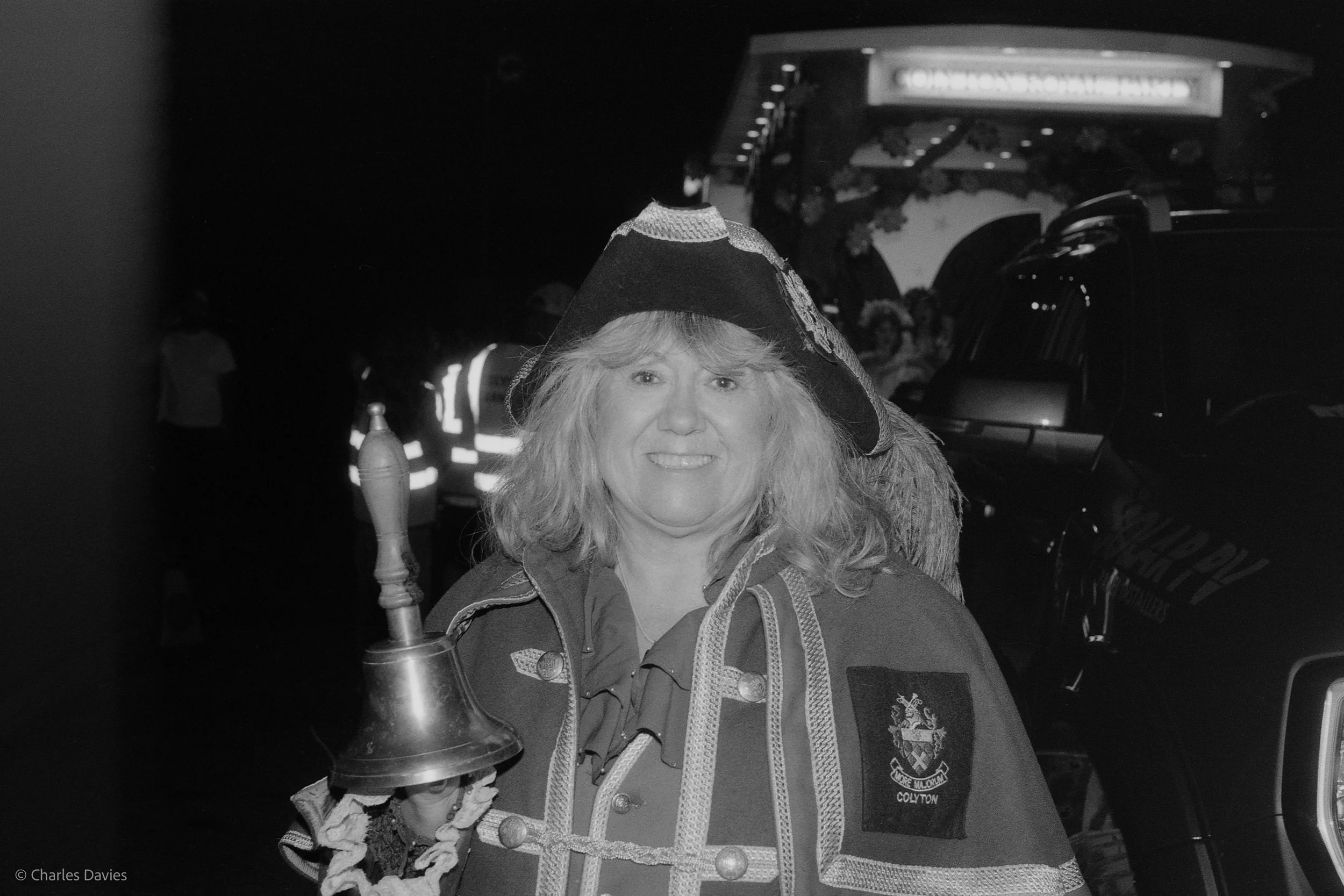
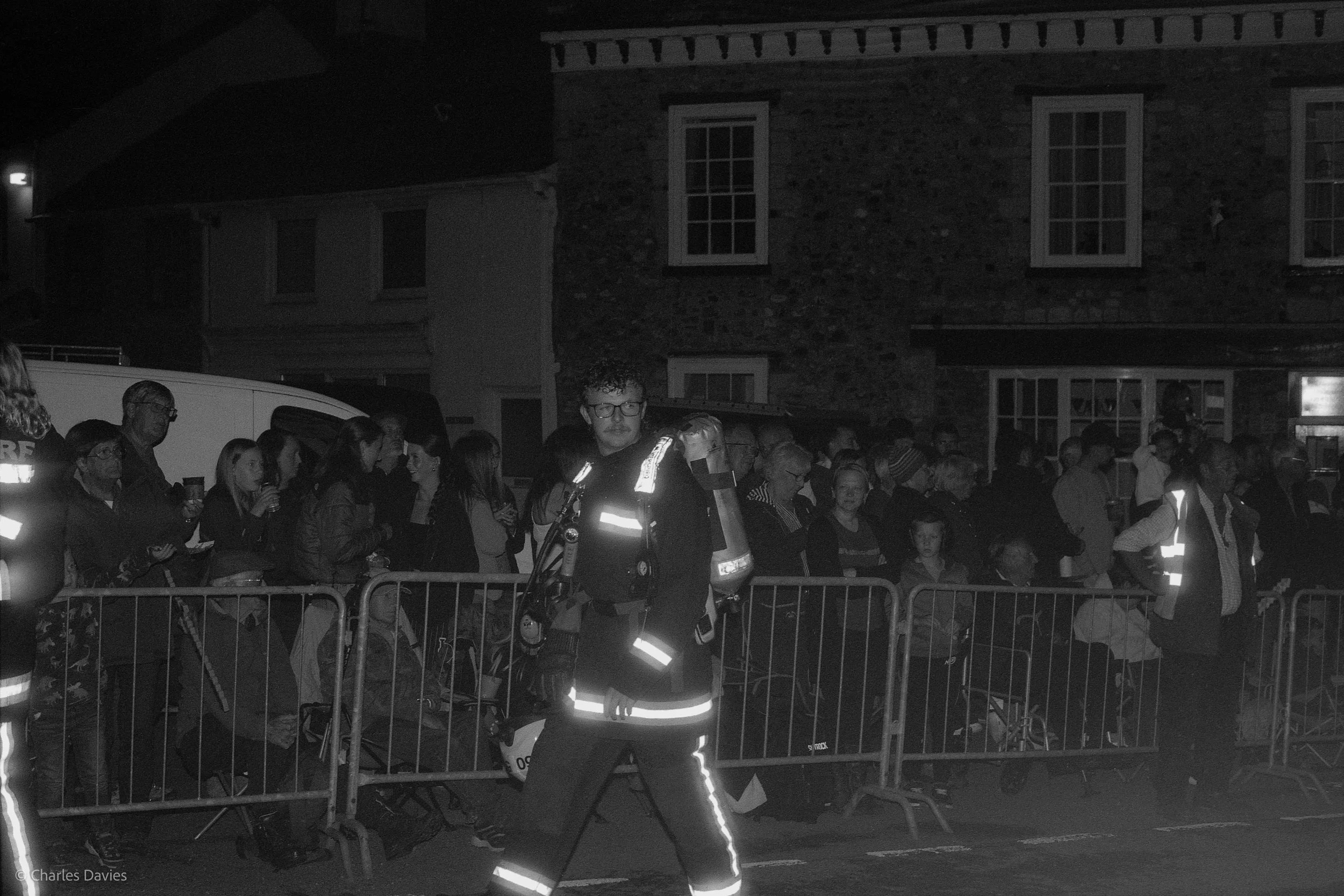
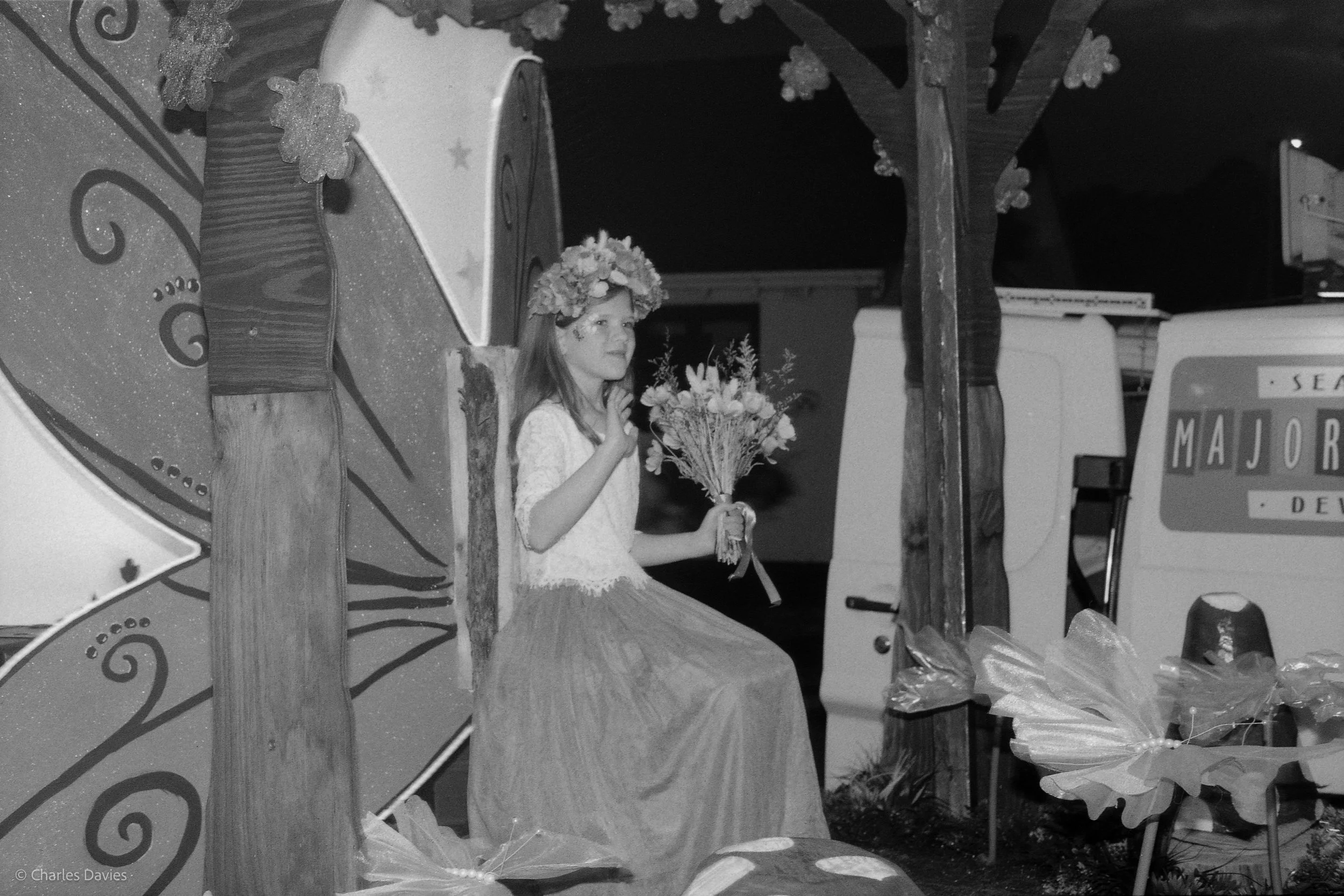
So I bought a flash. It is just a simple flash with limited automatic settings and a manual mode. It is the Sunpak Softlite 1600A. It doesn't really communicate with the camera and you set your aperture and the mode depending on how afar away or how close from the object you are. I thought B&W would be a much better choice than colour film for this testing, and I thought what better film stock to use than a very sloe speed fine grain film such as Ilford FP4 Plus 125. FP4 has an ISO of 125 obviously and so it is a very fine grain and very sharp film. Normally you wouldn't use a film as slow as this in the conditions that I was in but because I used a flash, the conditions didn't really matter much.I shot some of these images at night, so in pitch darkness and handheld and I am very happy with the results. I also used the flash for all of these images. I mostly used it in manual but I took a few using the different auto modes and I fear they came out great. I shot these images both at home, in Sidmouth and in Colyton. B&W with a flash is timeless. Looking at some of these images, it looks like I stepped back in time for some of them. I really enjoy the sharpness and the clarity of this film stock and I think I will be shooting it more often.I shot these images at ISO 100. I think next time I will try a 50 speed film or even lower and see what kind of results I can get. I would very much like to try the flash with my Contax RTS however there are some problems with the camera that may make using a manual flash… challenging, to say the least. During this roll I was kind of guessing and hoping the export would be correct. This is because you set the flash and your camera settings depending on how many feet or meters you are away from the subject. The process went like this;I was focusing on the subject first, then checking the numbers on the lens which would tell me how are away I am from what I was focusing on. Then I check the guide numbers that are written on the back of the flash itself. Then if I need to, I change modes on the flash (but mostly I kept it in manual) then I change the aperture on the camera to match what it says on the flash. Then I focus on the subject again and take the picture. This process is long and it isn’t the best. Out of all of these images, there weren’t really any that were badly underexposed, maybe only a few and so I think that I will give this testing a job well done. I think going forward, if I want to shoot a very fine grain film and the conditions are poor then I will use a flash.