
Ilford XP2 Super 400
The images below were shot on the Pentax Espio 738S (roll 49).
I will speak more about my experience down below…
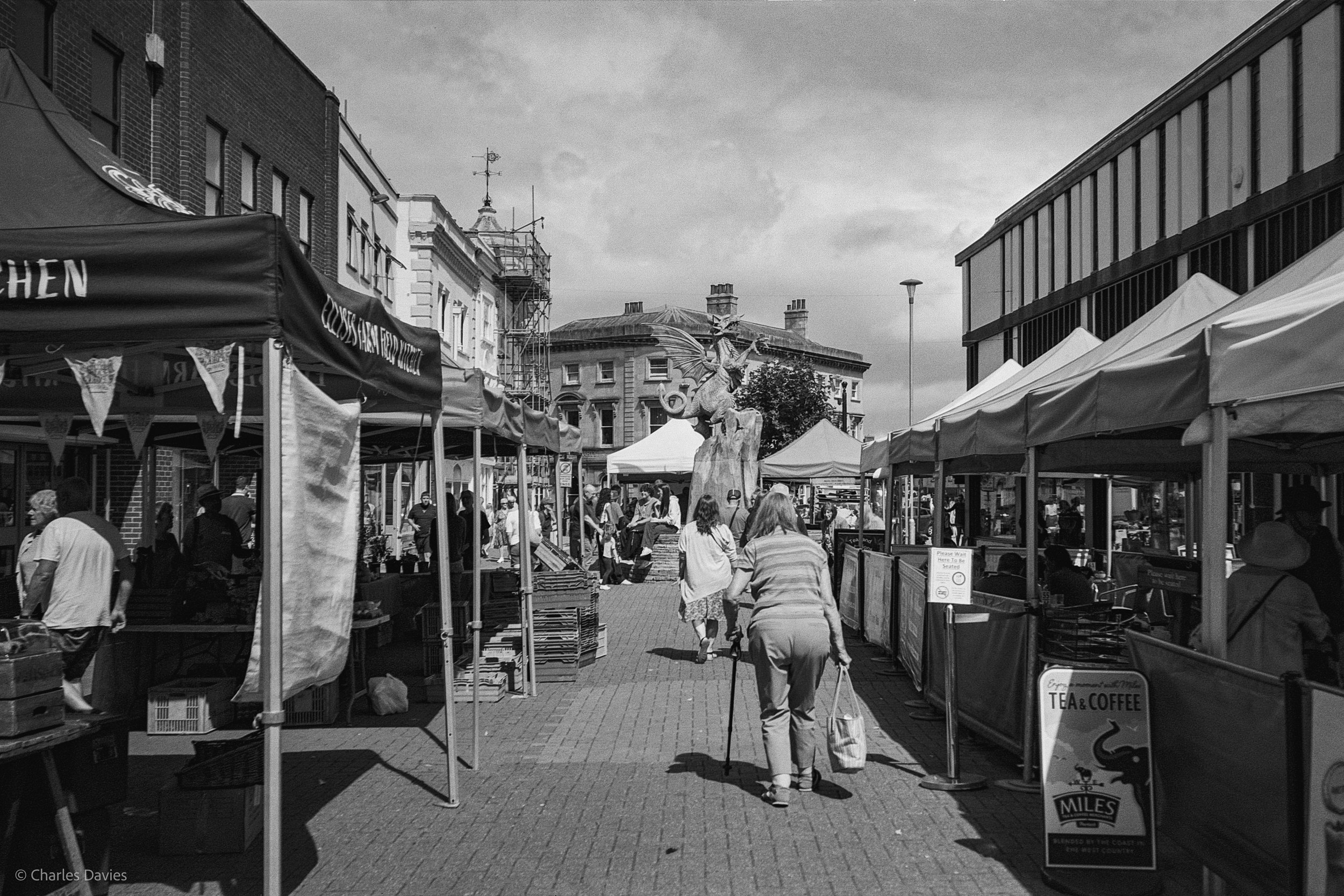
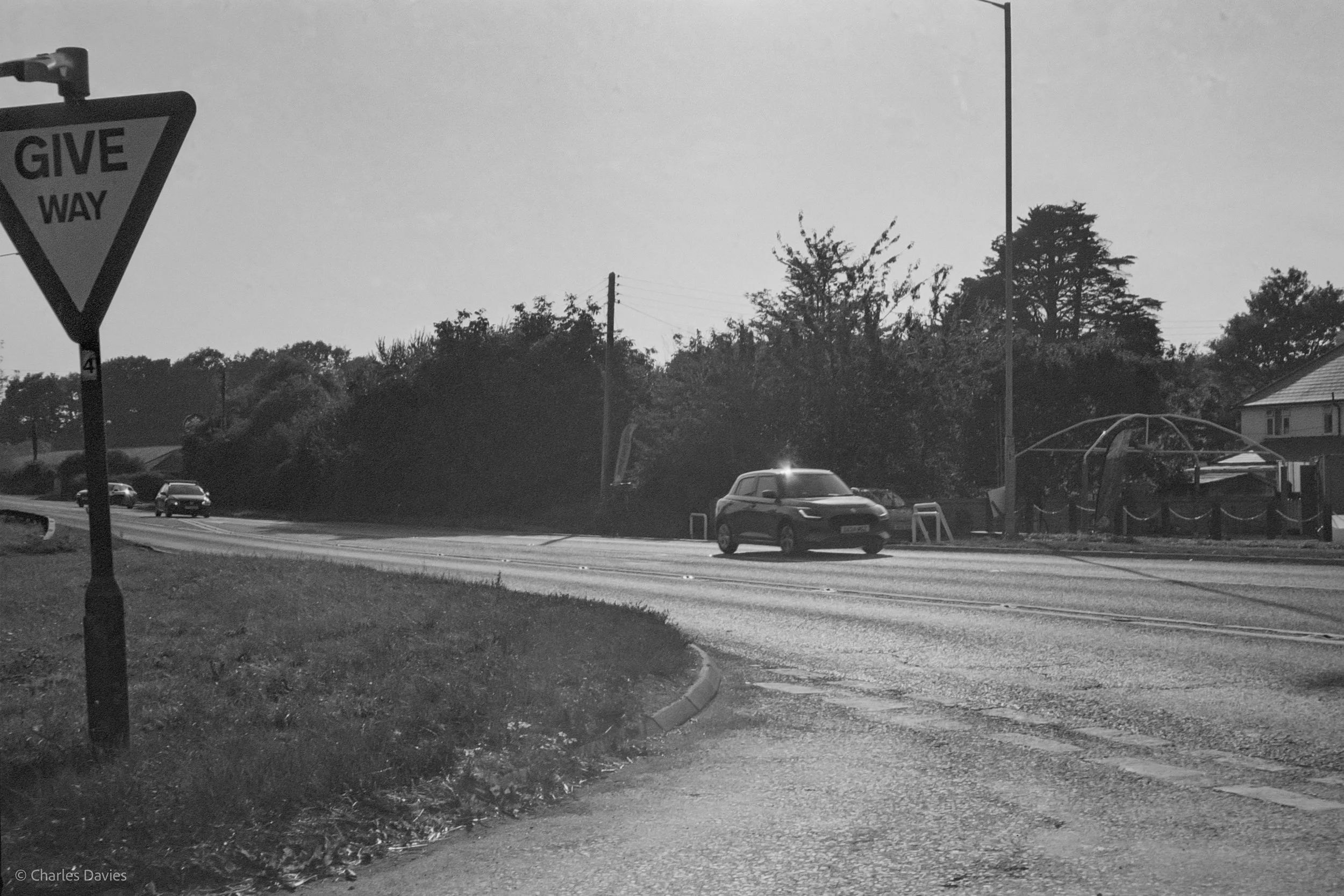
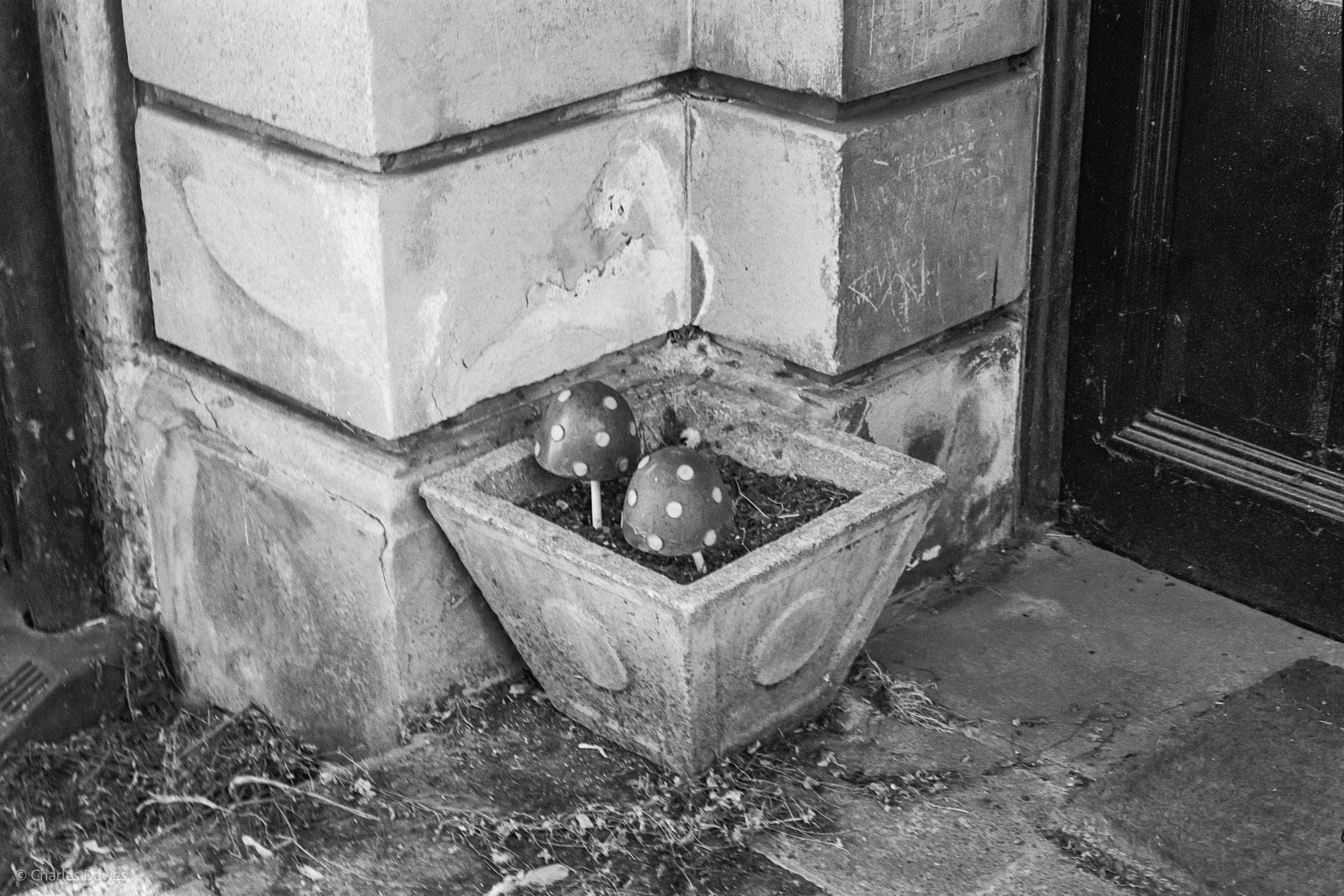
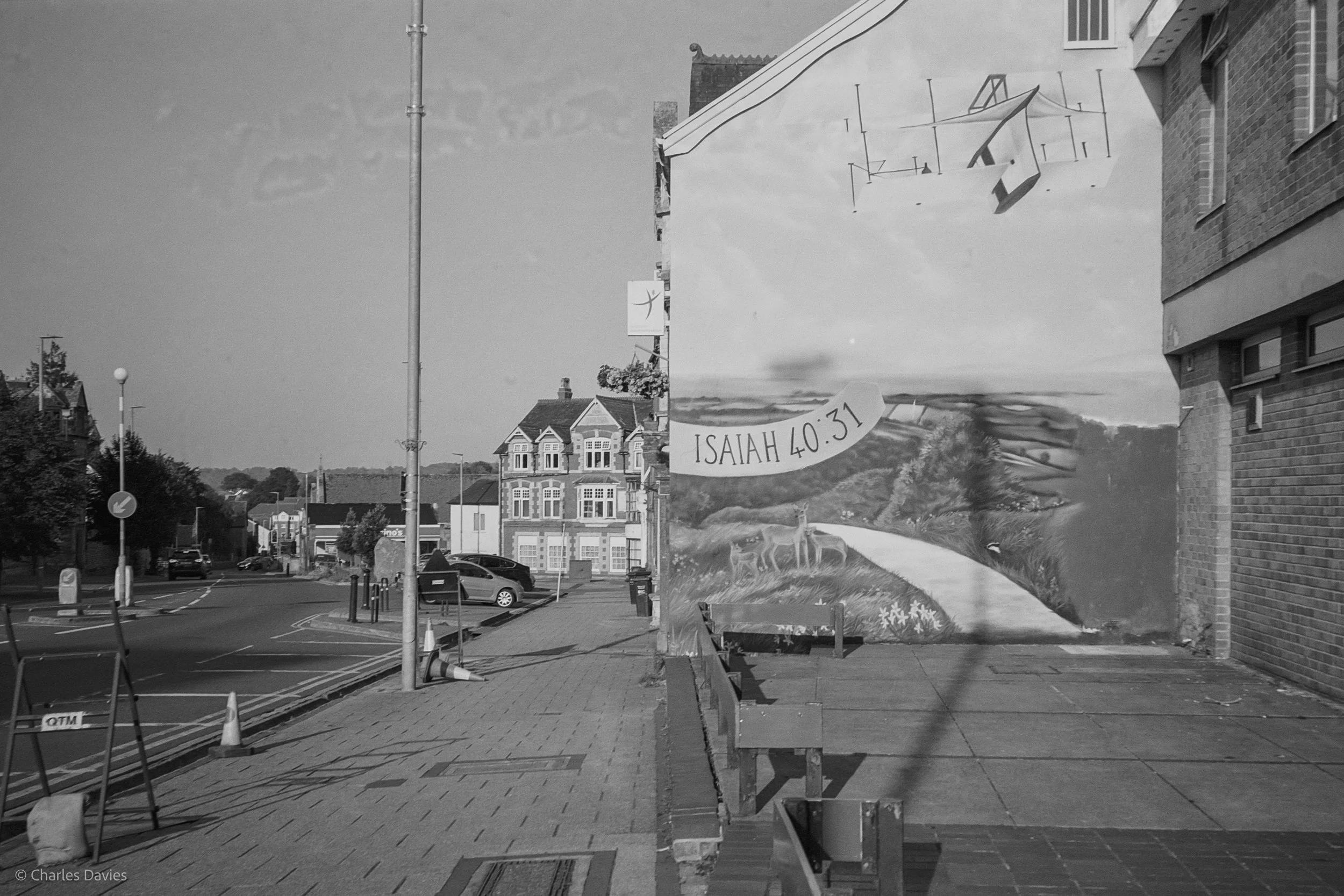

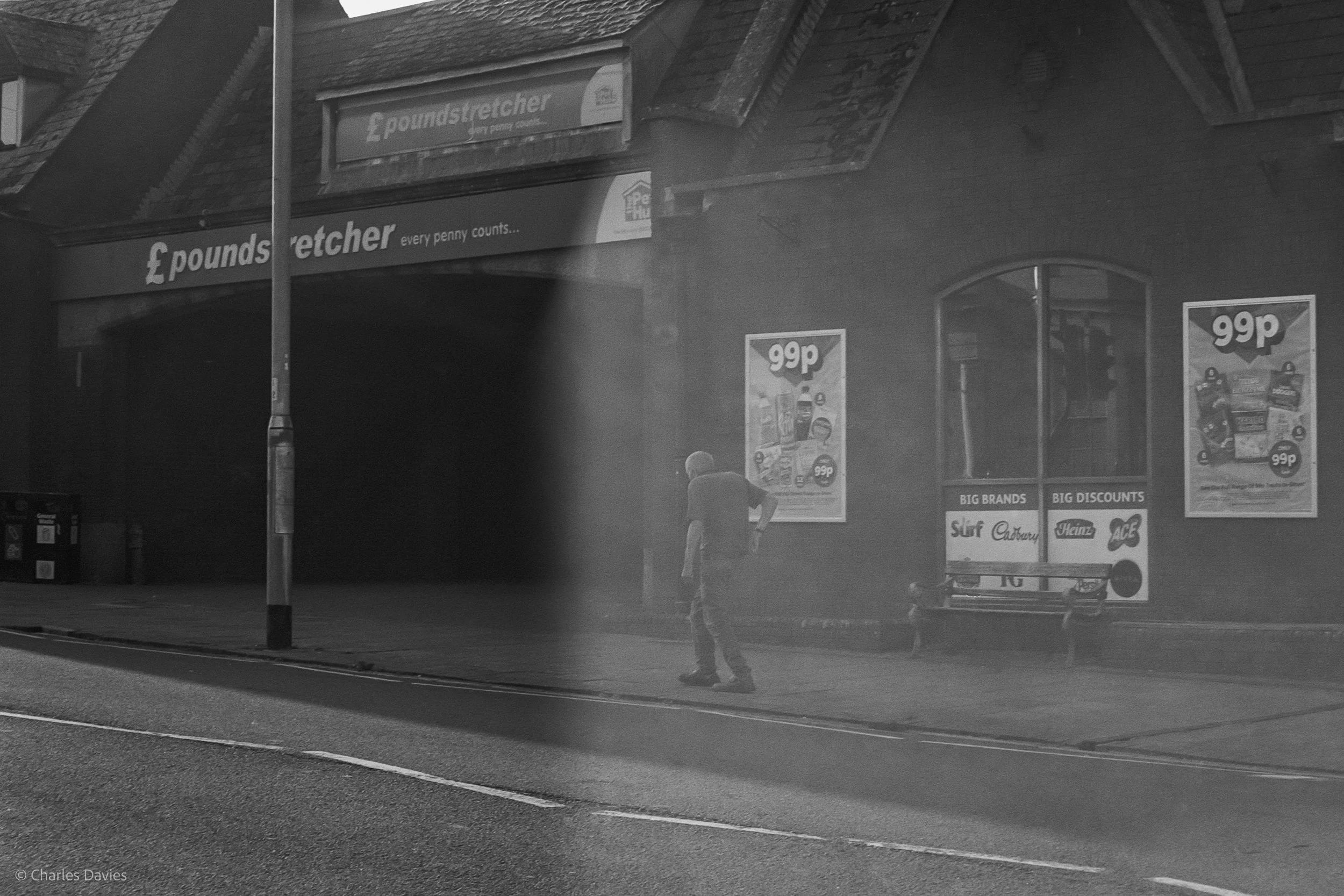
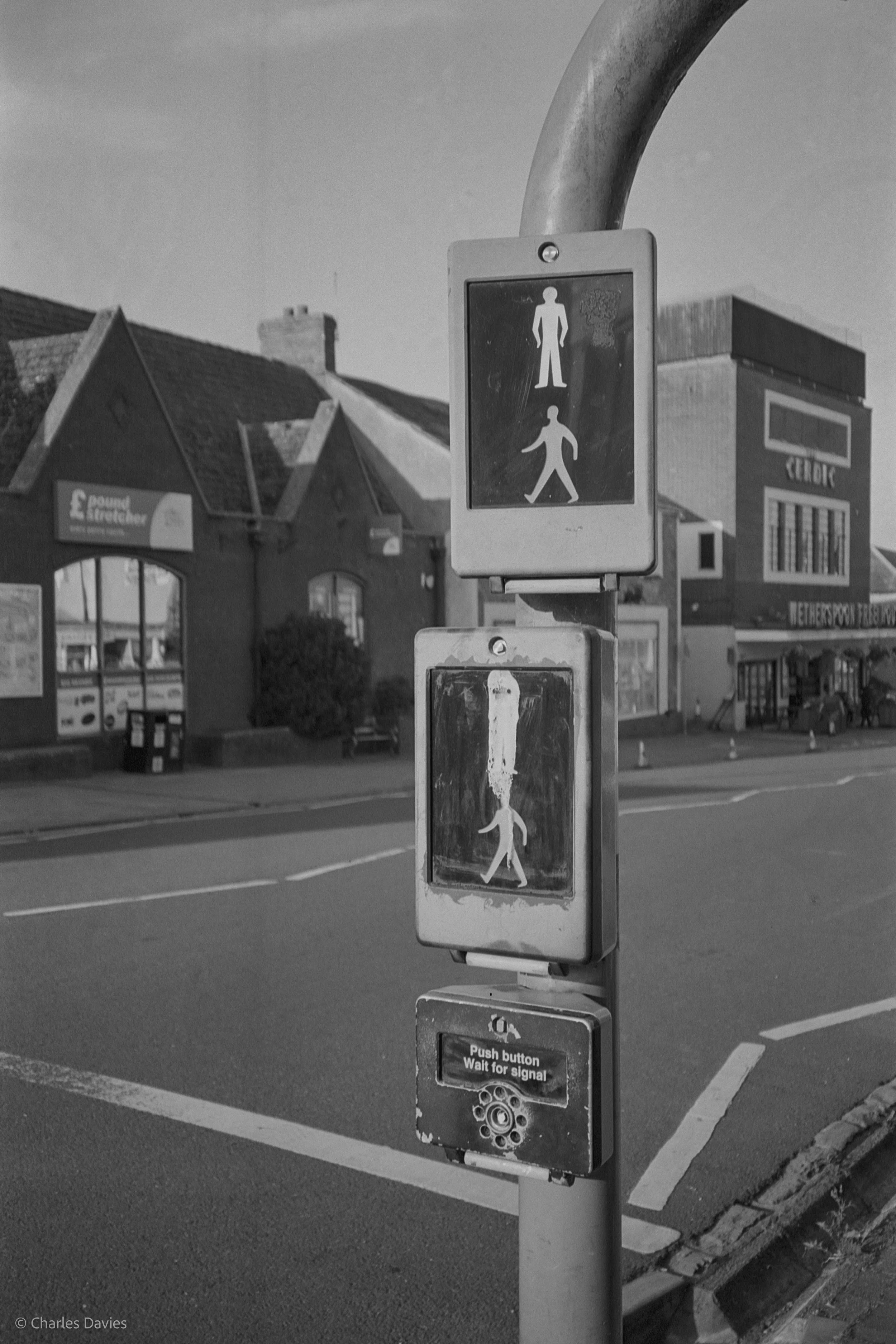
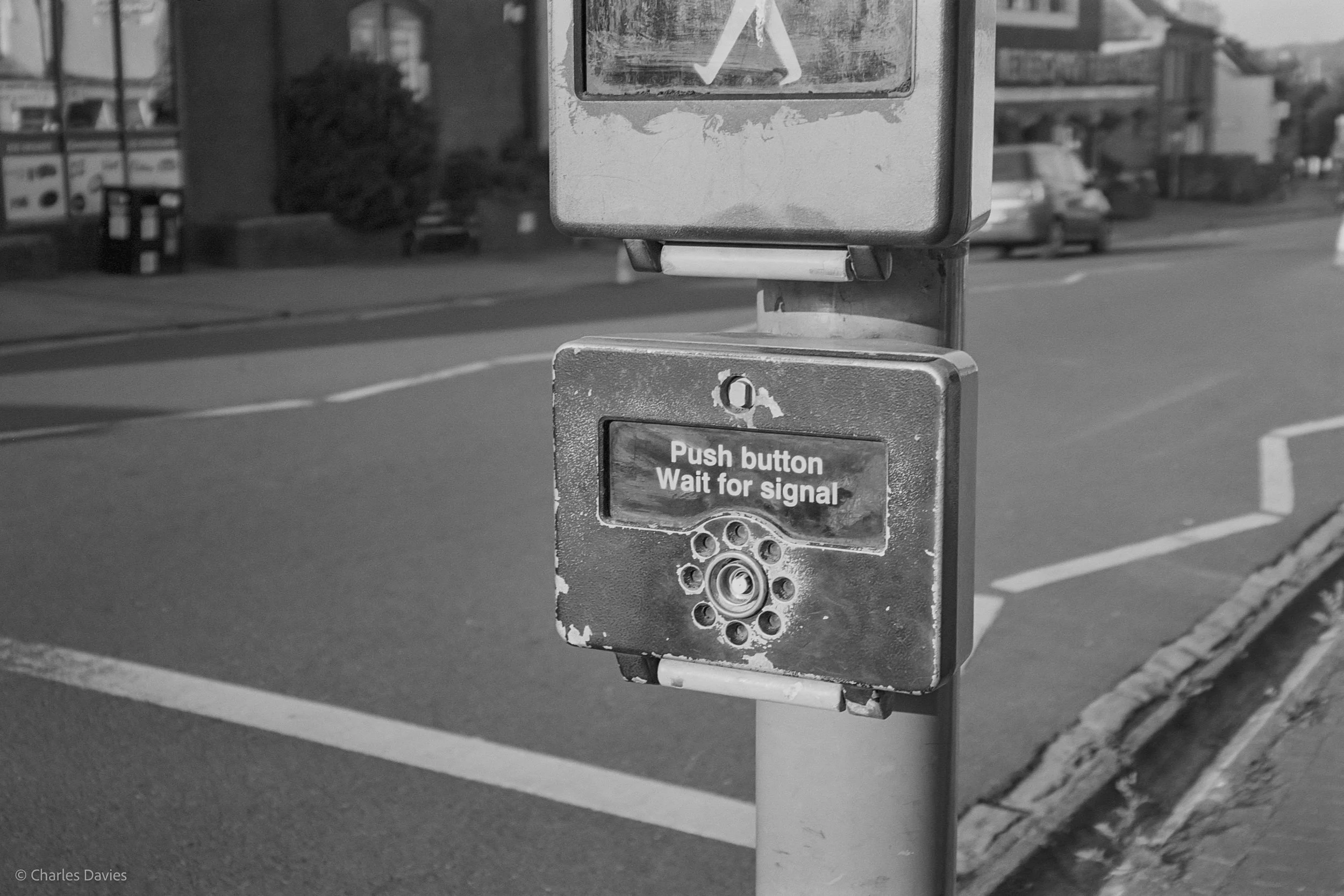


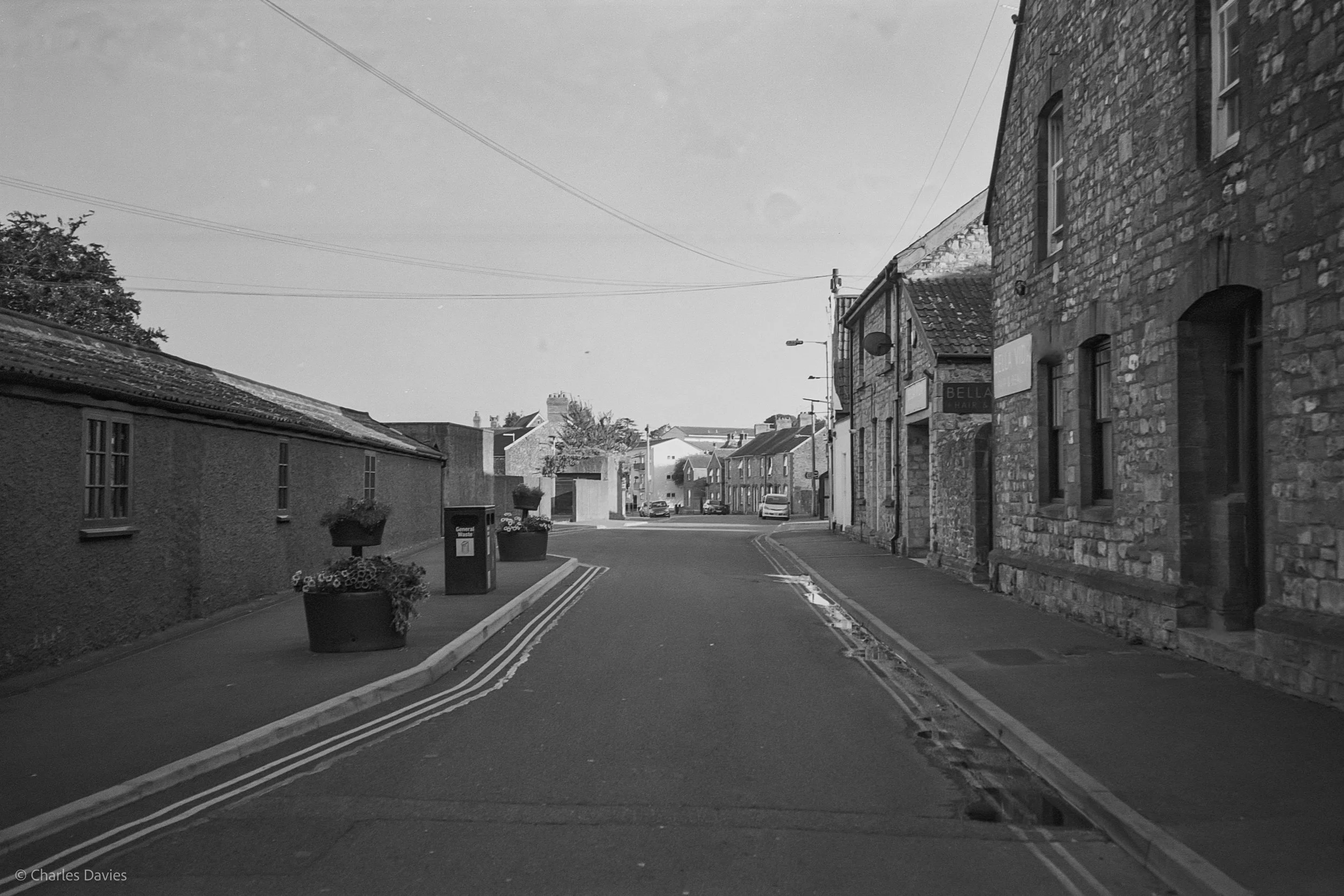



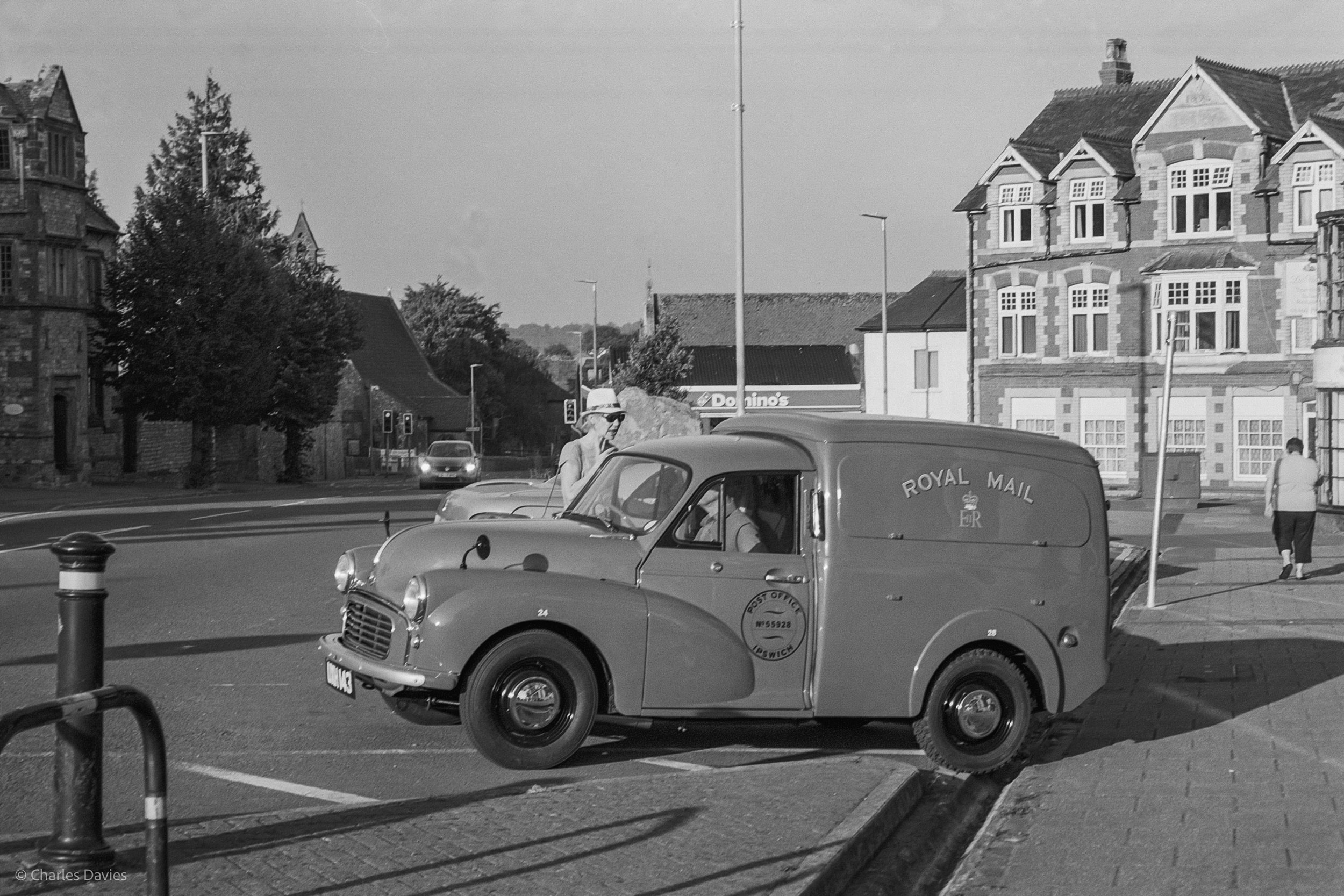
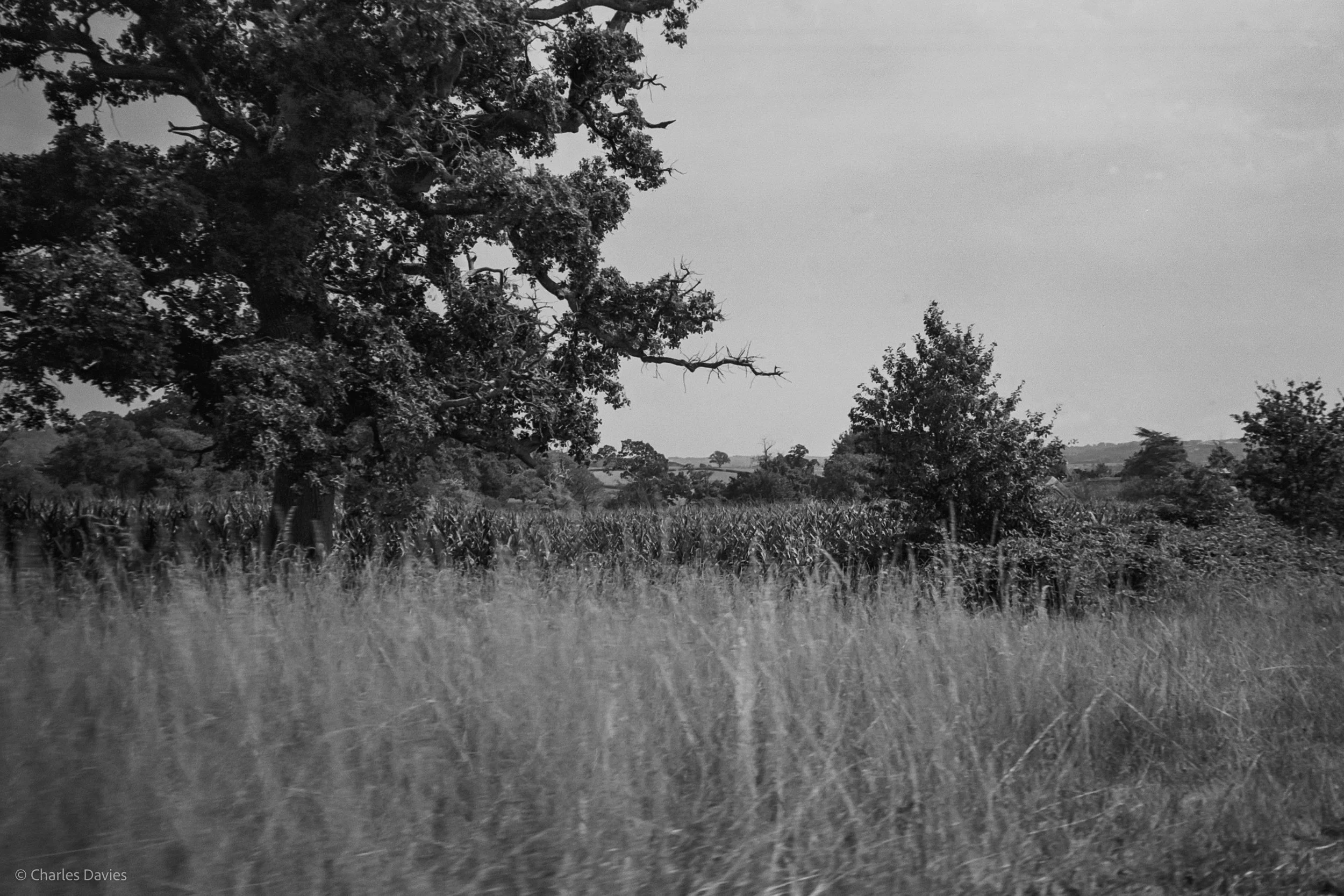

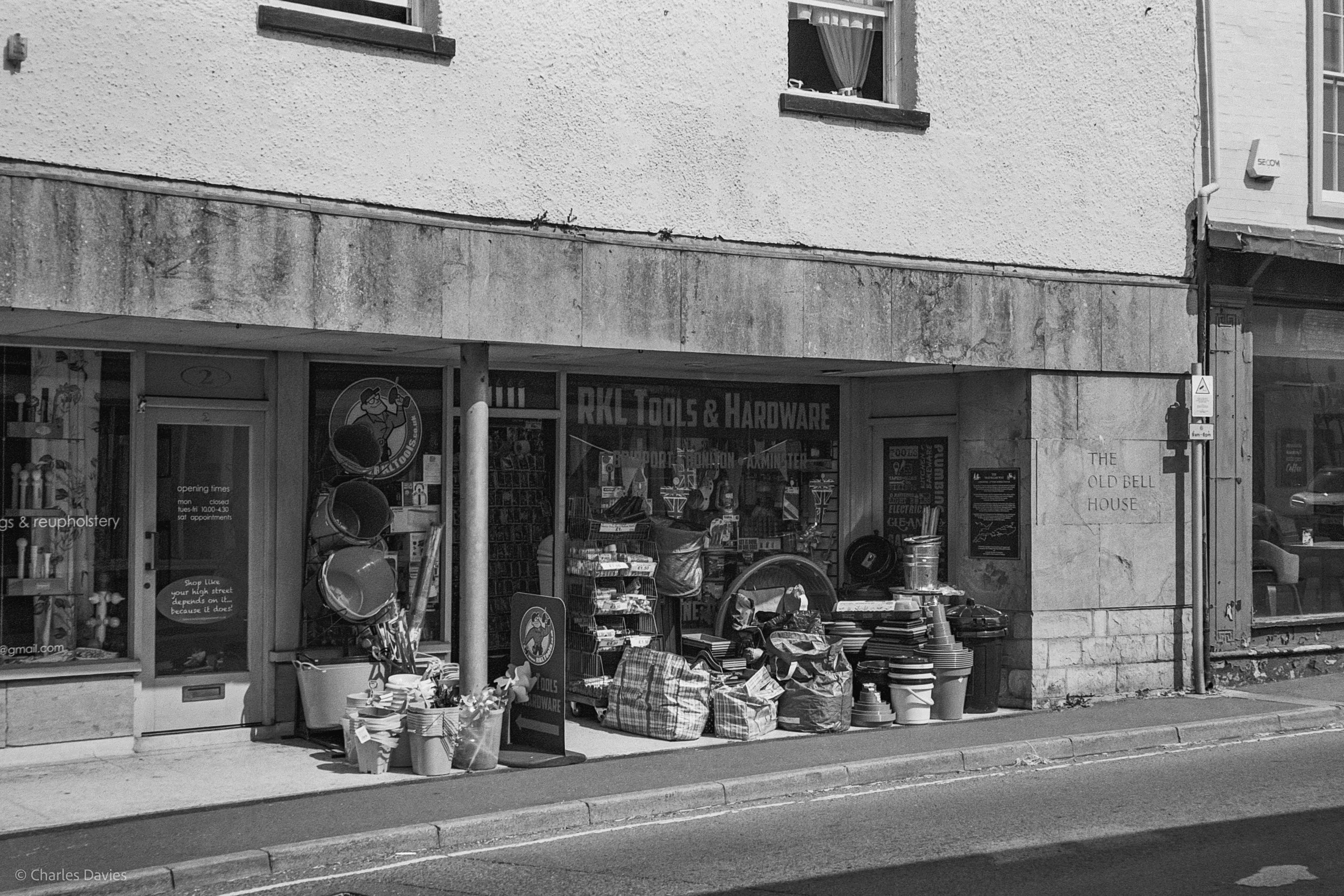







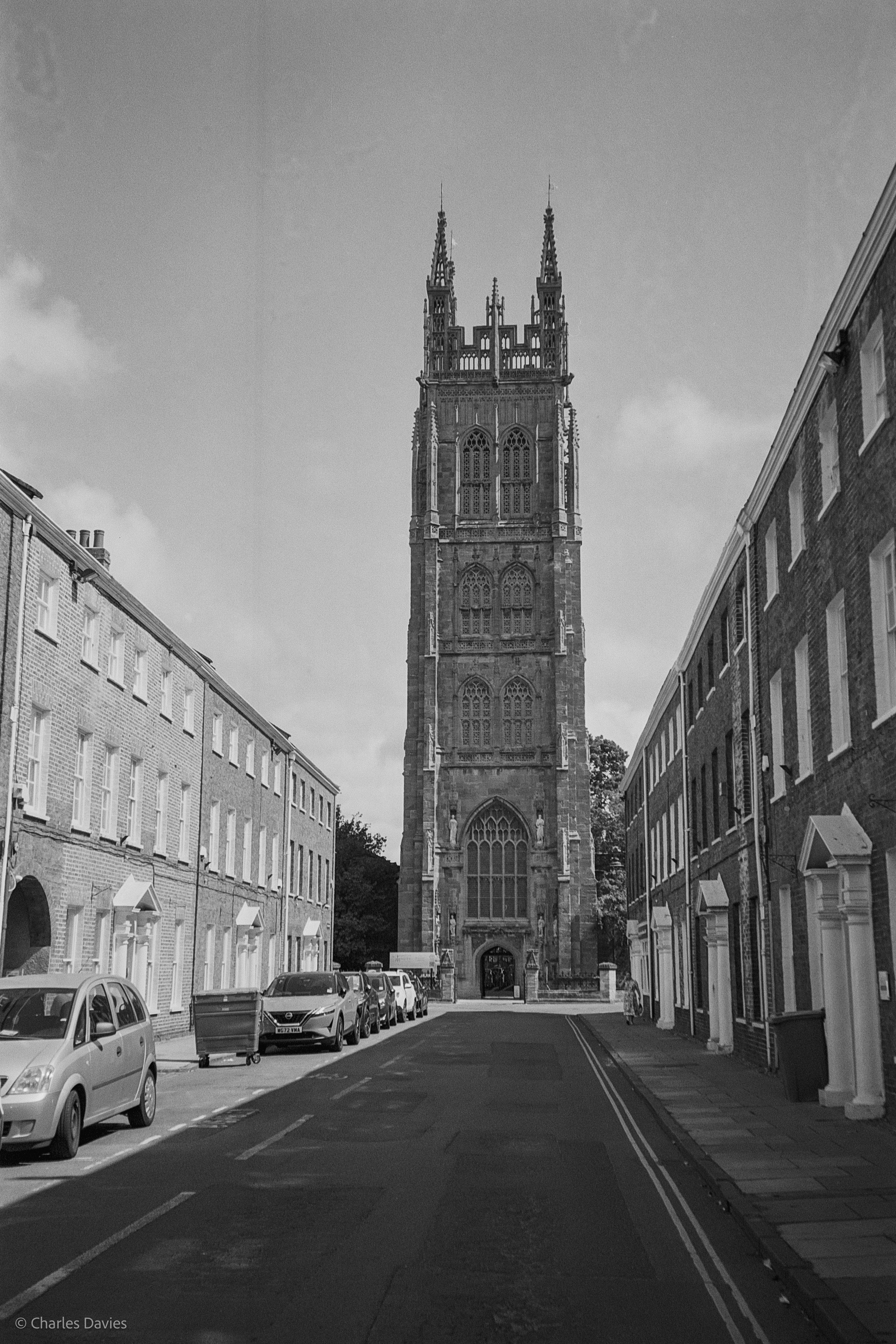
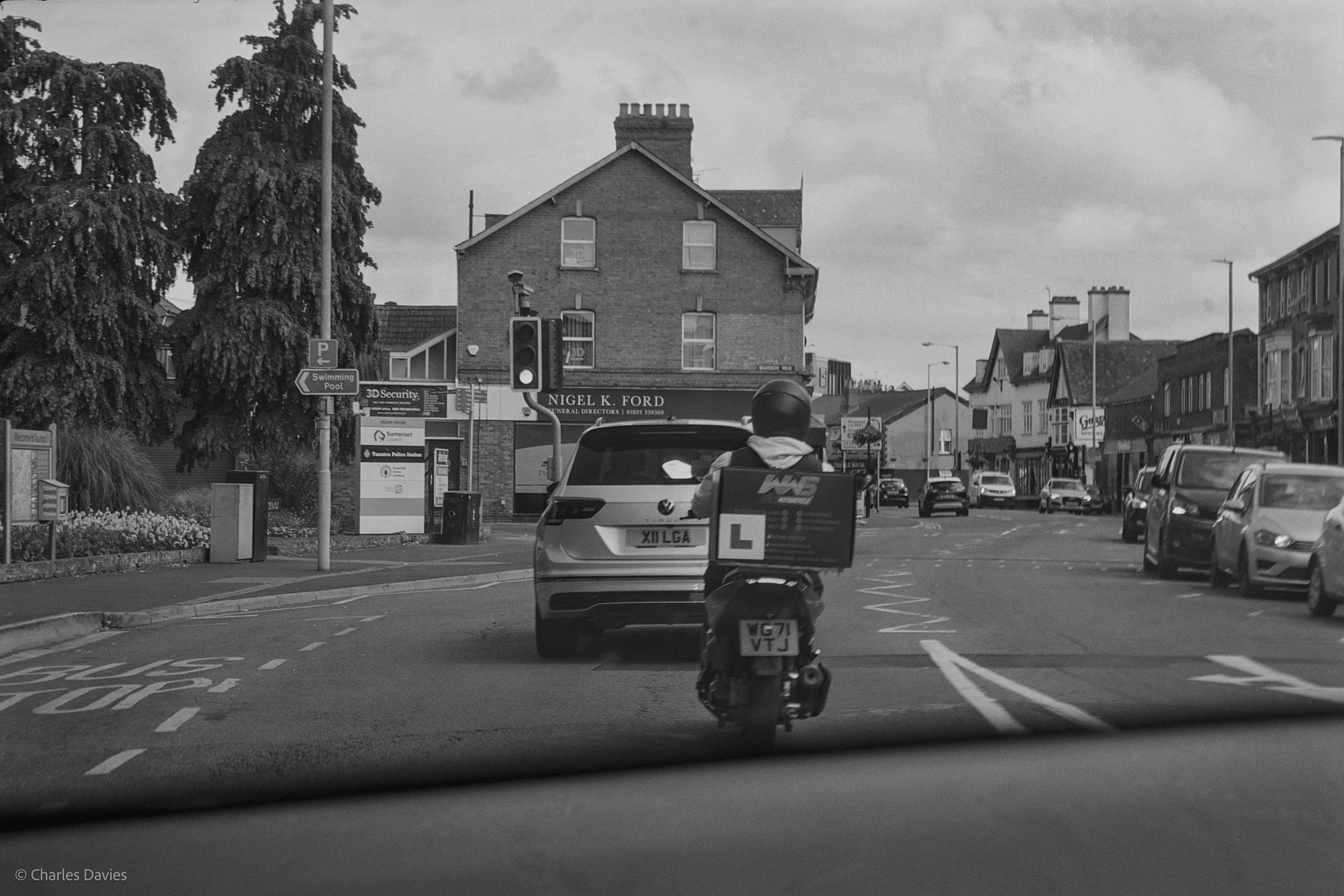
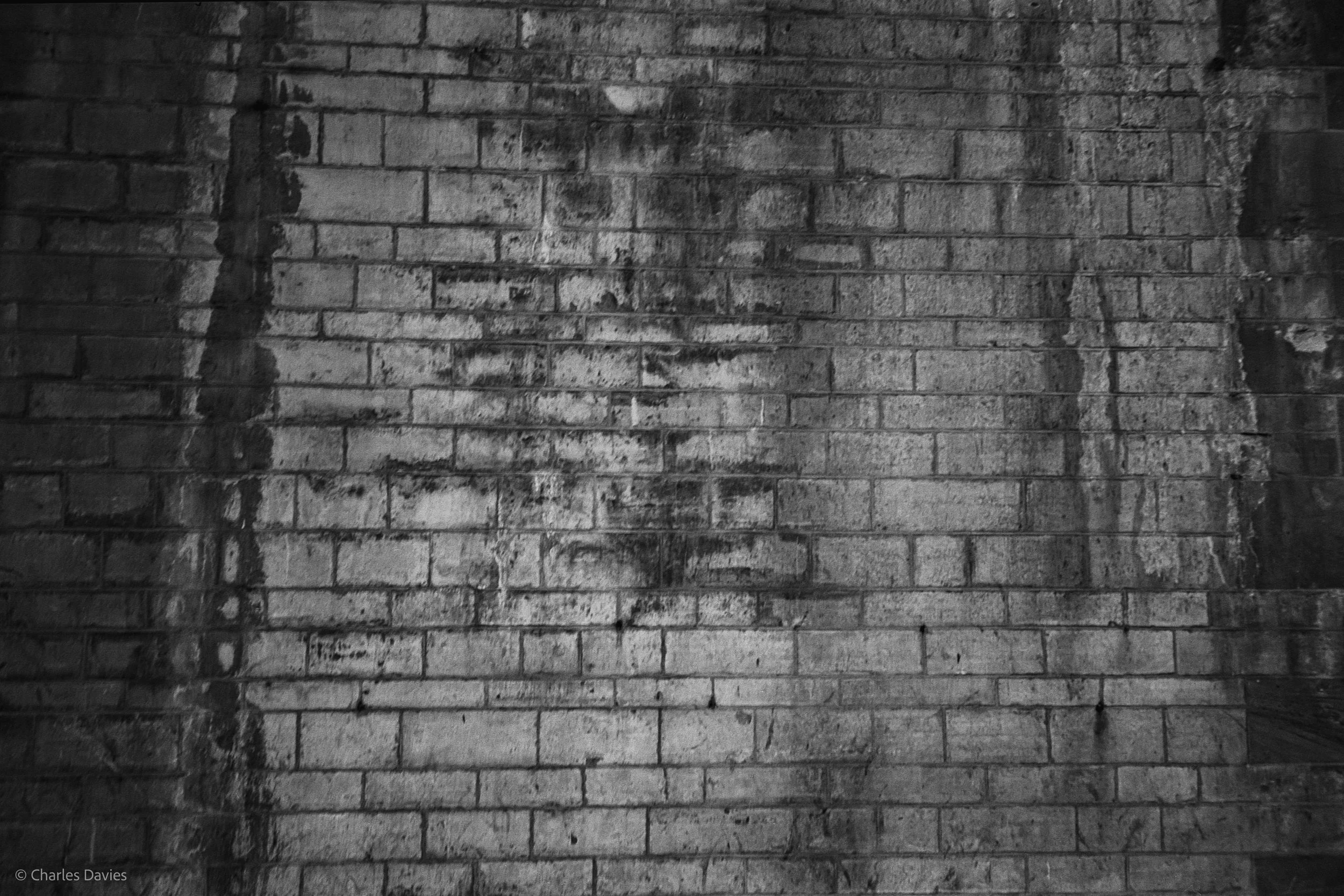



The images that you see above were shot coming on the way into Axminster, in chard, in Axminster and in Taunton. Let me say straight away that I really like these images. I find XP2 to be very weird and a very strange film stock, however it doesn’t mean I’m saying it’s bad. It’s strange in the sense that it’s B&W film but you develop it in colour chemistry and colour chemicals. It’s a C-41 film even though it’s B&W. True B&W film has something called silver halide crystals so the entire film is basically coated in silver. When the film is developed, the silver on the film forms metallic grains which create parts of the image and then the amount of silver left after the development will give you grayscale tones. This is how you get a true B&W image whereas chromogenic B&W films such as this one (Ilford XP2) is coated in dye as well as silver. During development the silver is then bleached away and replaced by the dye that forms the final image. This is my first time shooting XP2. While scanning these I was a bit nervous because my scanning software gave them quite a purple/pink hue to them and this is supposed to be B&W. However, while in the editing phase I turned them to black and white and they looked normal again. I am still unsure on whether I am supposed to do that or not because if everybody has to do that then you could just shoot colour film, then turn it B&W and then you never have to actually purchase black and white films again. I do understand that the purple hue is most likely from the film itself and not a scanning issue but I find it strange.Ilford XP2 is meant to be cheaper to develop and more cost effective because usually every lab can develop colour films and some labs charge more to develop B&W films. It is also easier when scanning when using something such as a flatbed scanner as flatbed scanners use something called Digital ICE to remove any external dust, hairs and scratches from the film.Digital ICE basically scans the film using infrared technology to be able to accurately get rid of the dust. This in turn, makes editing much more easier and faster because you don’t have to manually remove the blemishes yourself. The reason why Ilford XP2 is better in that regard is because normally the silver that is in true B&W films can mess up with the Digital ICE which means you can’t use Digital ICE while scanning your images. This can be very annoying. However, since films like Ilford is developed as if it were a colour film, the silver is bleached away, which means there is no more silver. This is great because you can use Digital ICE with this B&W film. Anyway, let’s move on for now and get onto more of my thoughts. I am very happy with these, I think they are wonderful. Some of the film has lot’s of contrast and the images are very sharp. I am very happy that my Espio was able to capture all of these details. I didn’t really have any focusing issues in many of the frames and the lens was very fast because I was in the car again for a few of these shots.One thing I will say is that there is some very weird artefacts that appear on some of the images. At first I thought they were newton rings (horrible little things that appear when reflective surfaces meet scanner glass. They usually have a rainbow colour to them) but I’m not so sure because it is impossible to acquire newton rings with my setup.It could either be a problem with development, a camera issue, or maybe even a film issue. I will have to test this by shooting this film stock in a separate camera and then a different B&W film stock in this camera. I think it may just be a camera issue though. I found the grain on these images to be quite minimal which is strange because XP2 is meant to be more grainy than other B&W films but I’m not complaining! All in all, I really like these images and I am very excited to shoot this film stock again.