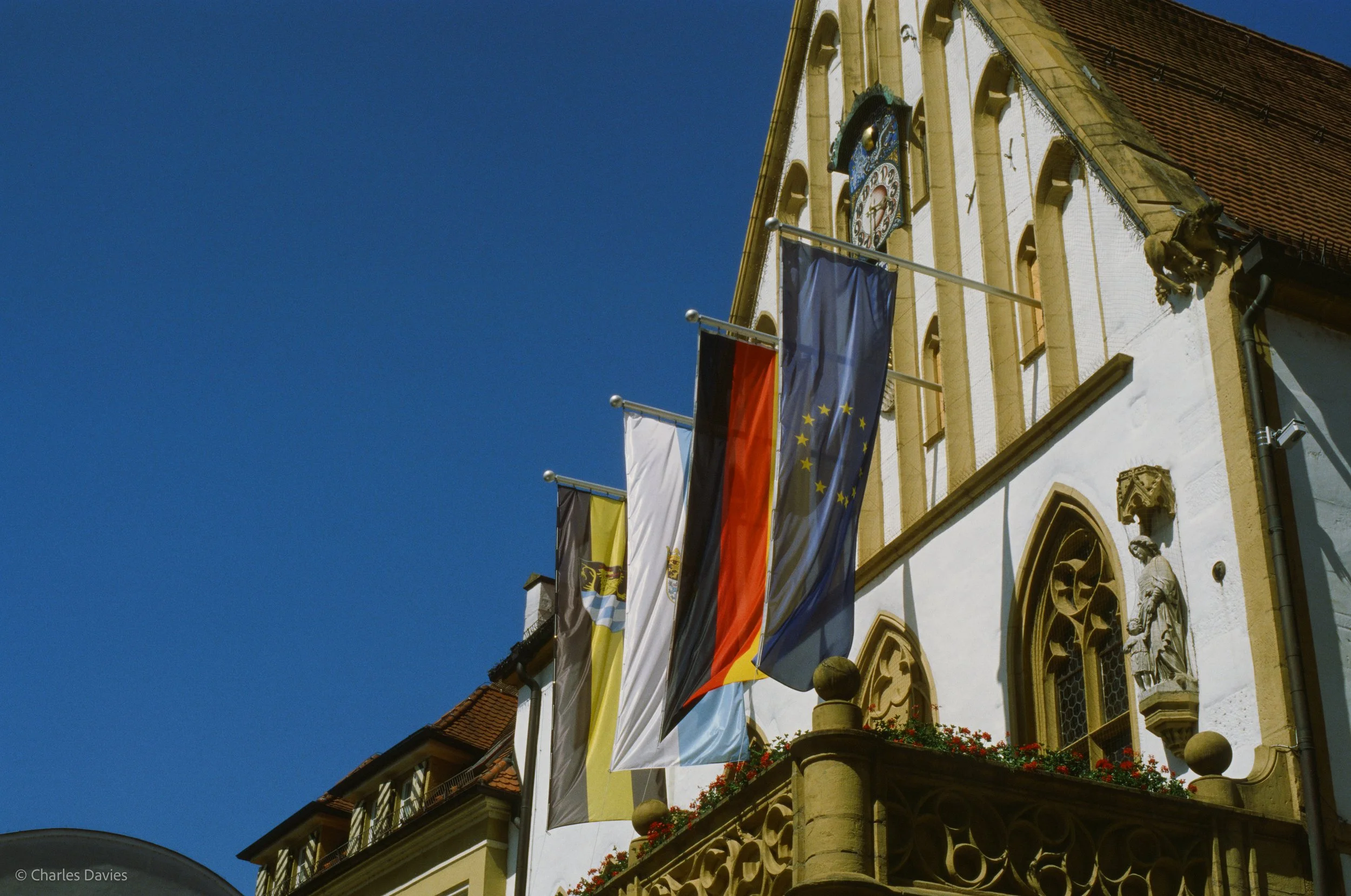
Kodak Ektachrome 100
The images below were shot on the Contax RTS (roll 39).
I will speak more about my experience down below…
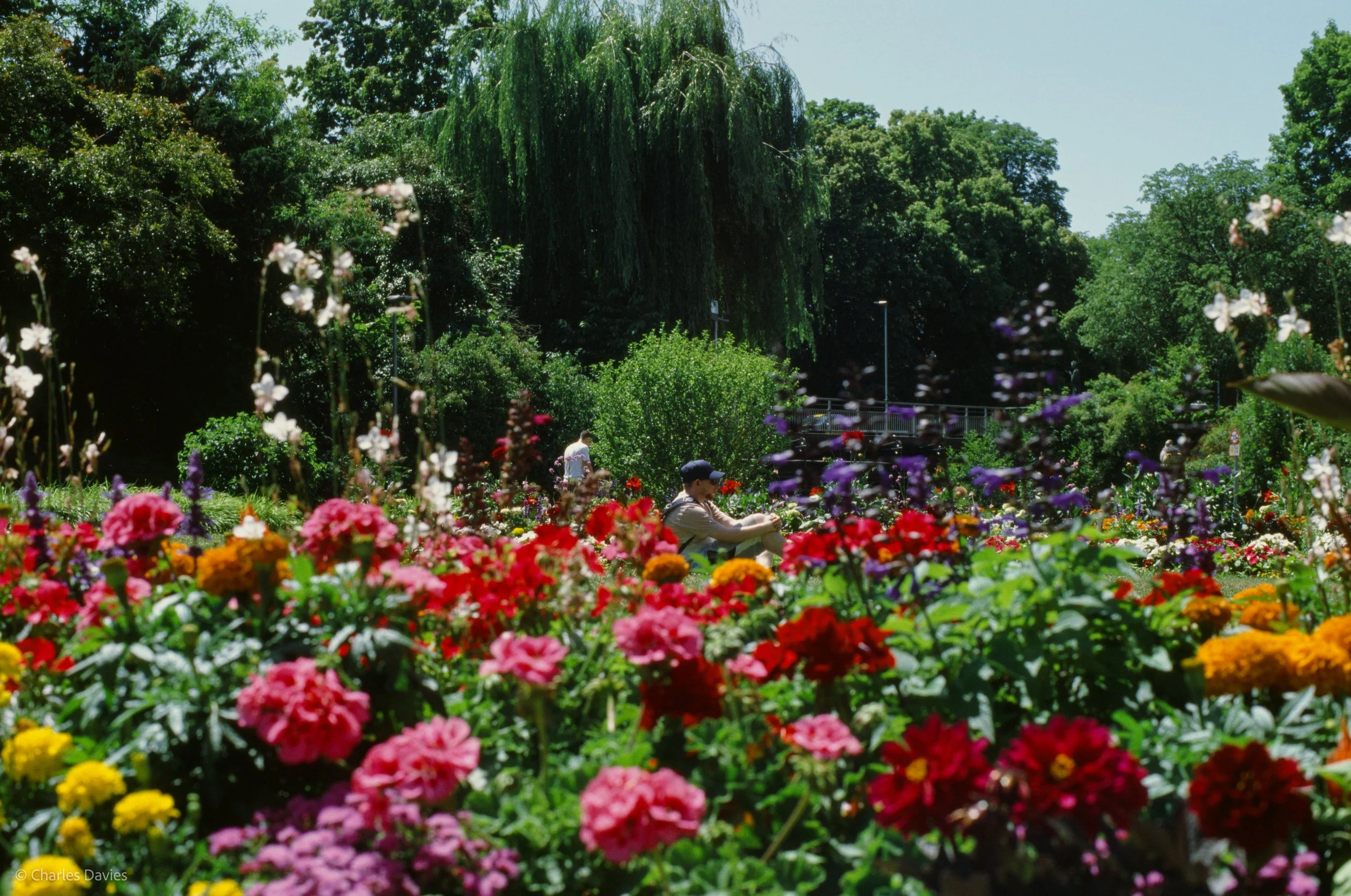
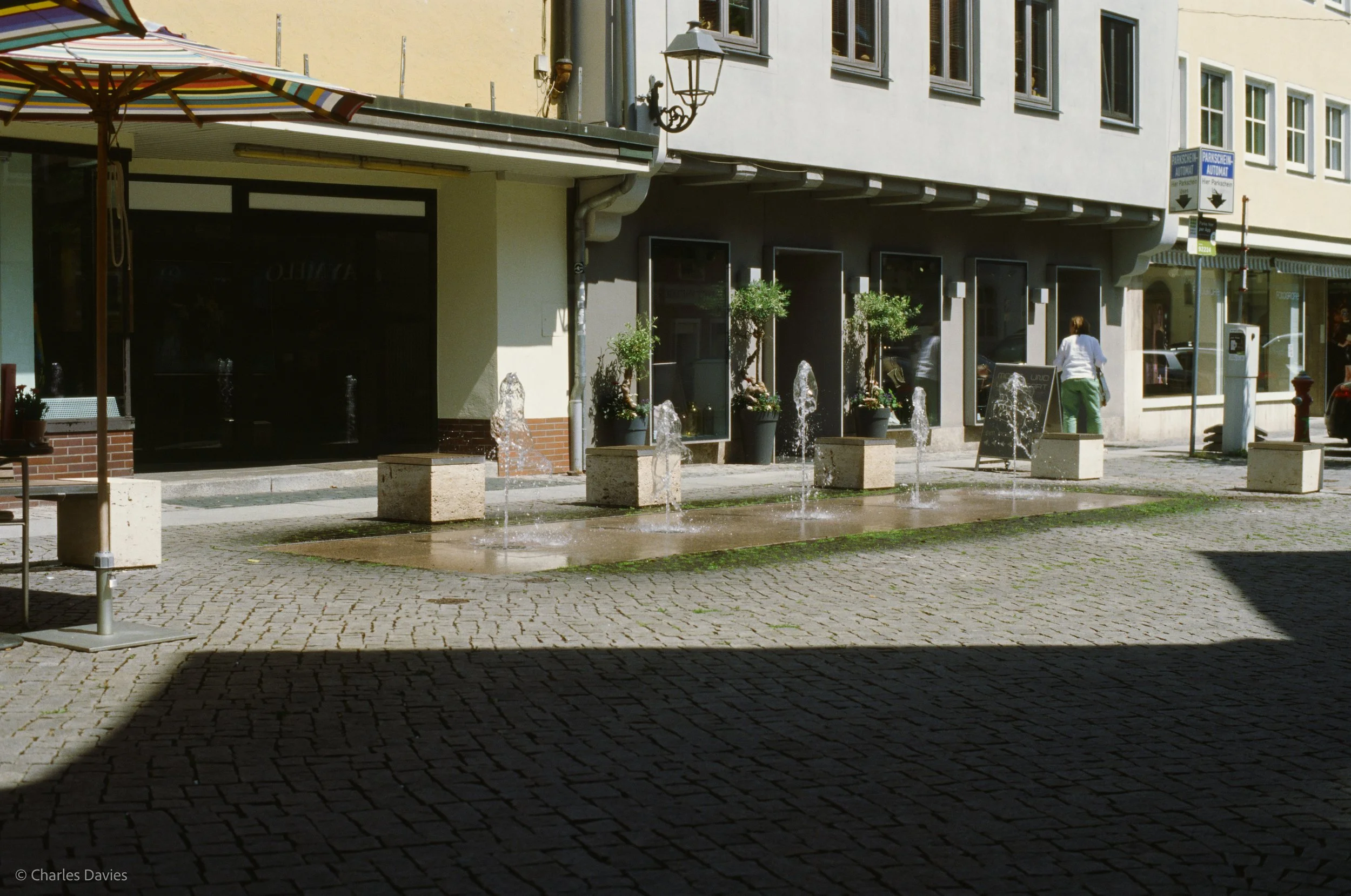
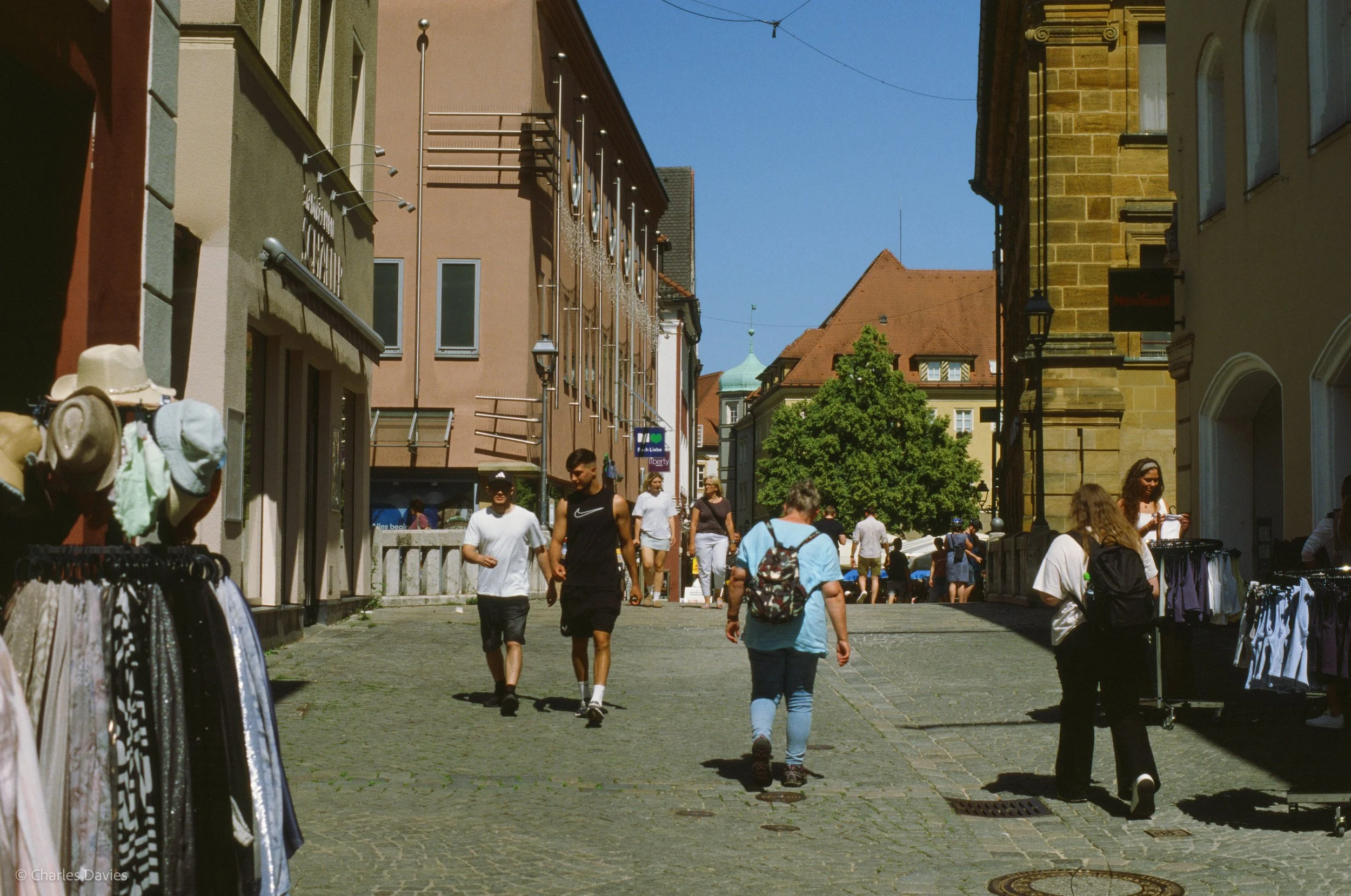
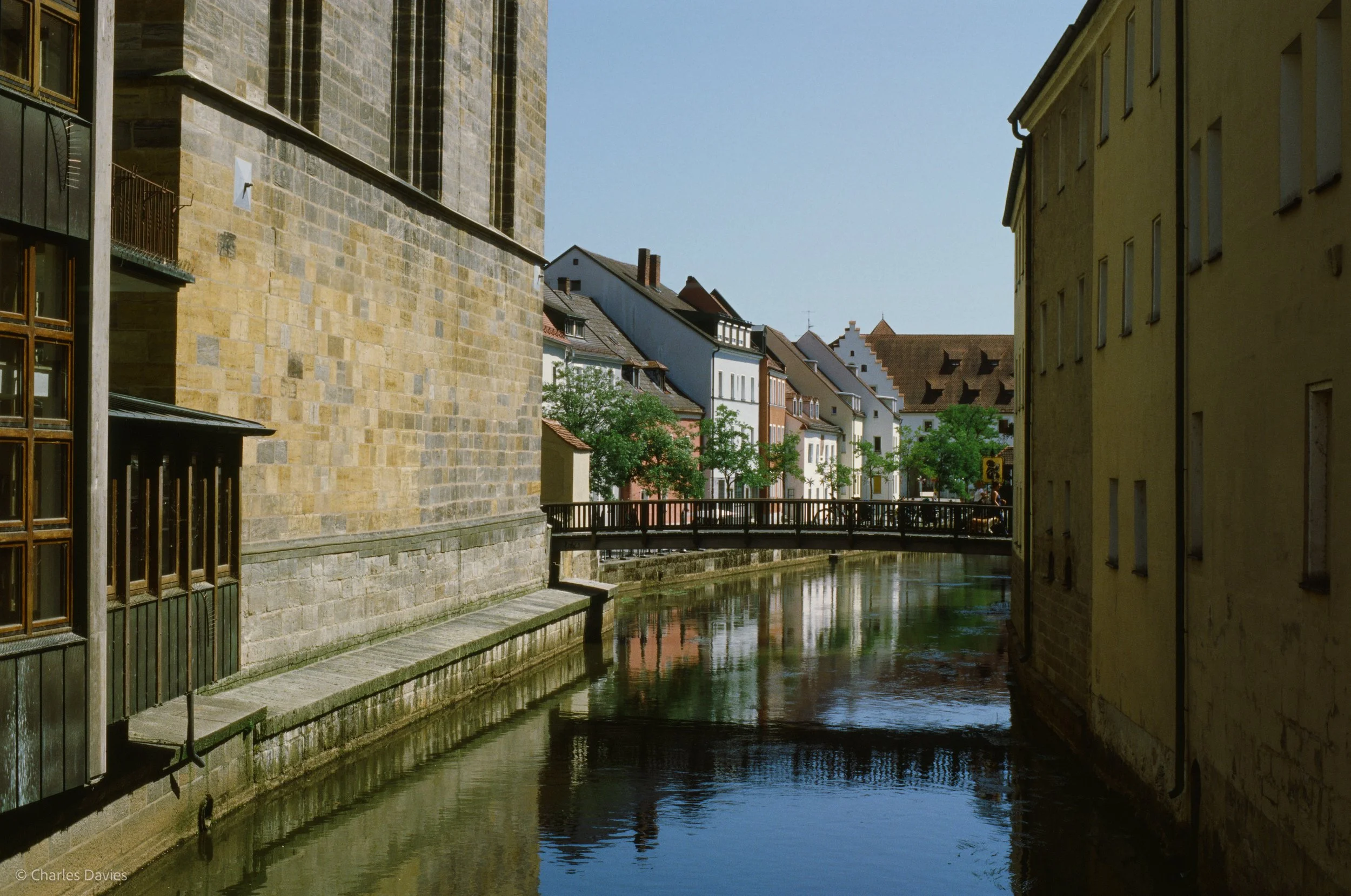


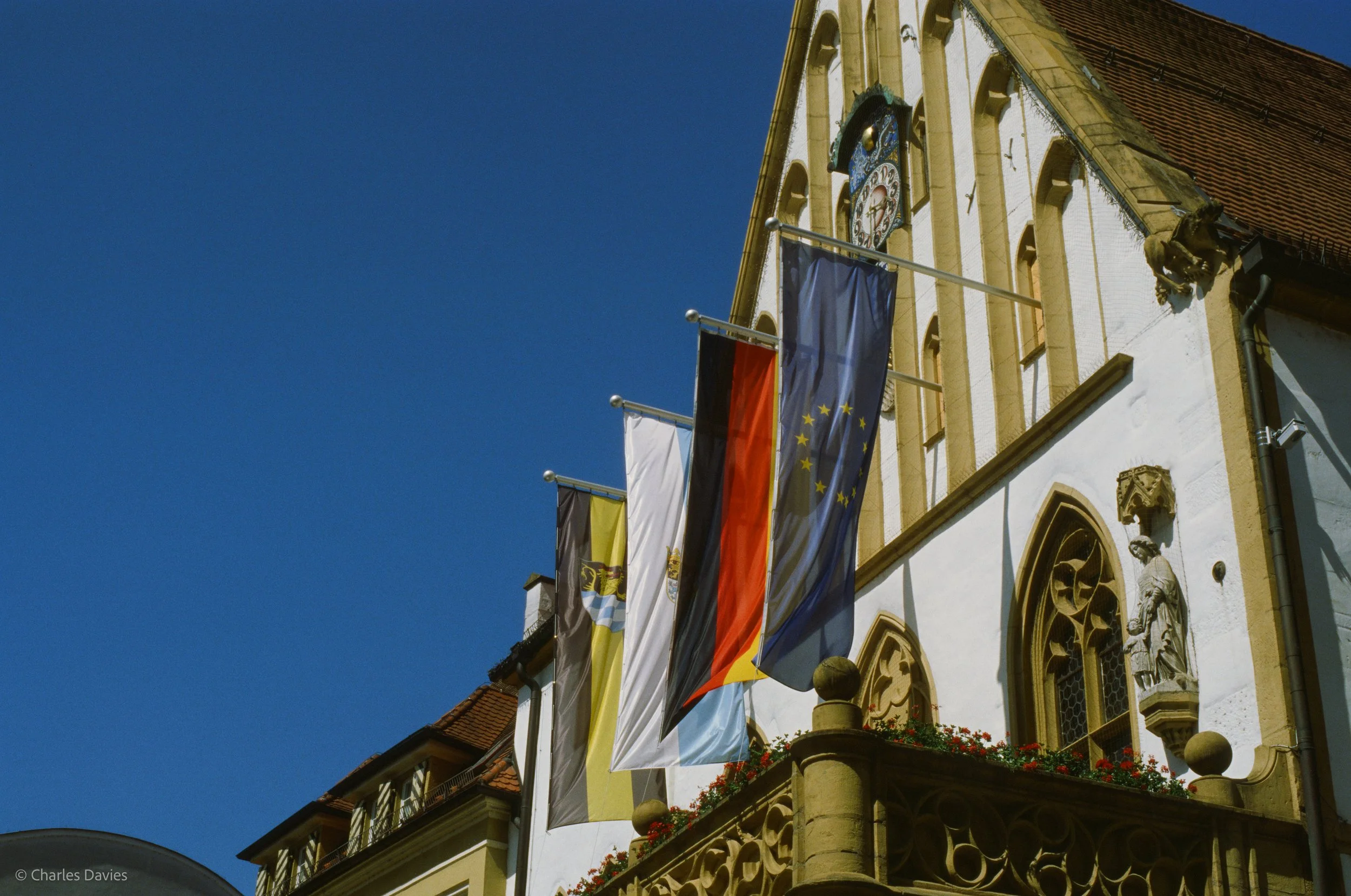


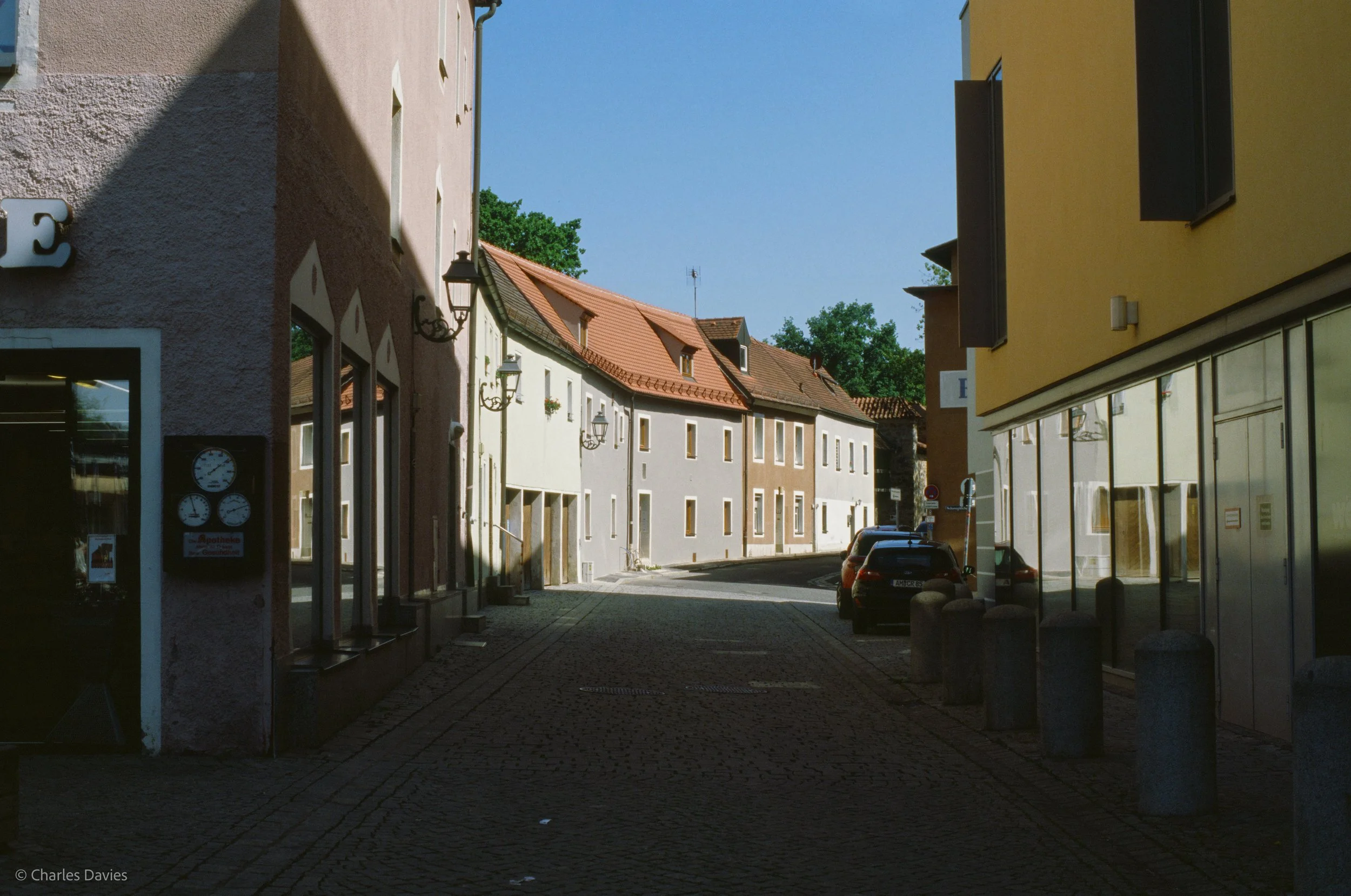

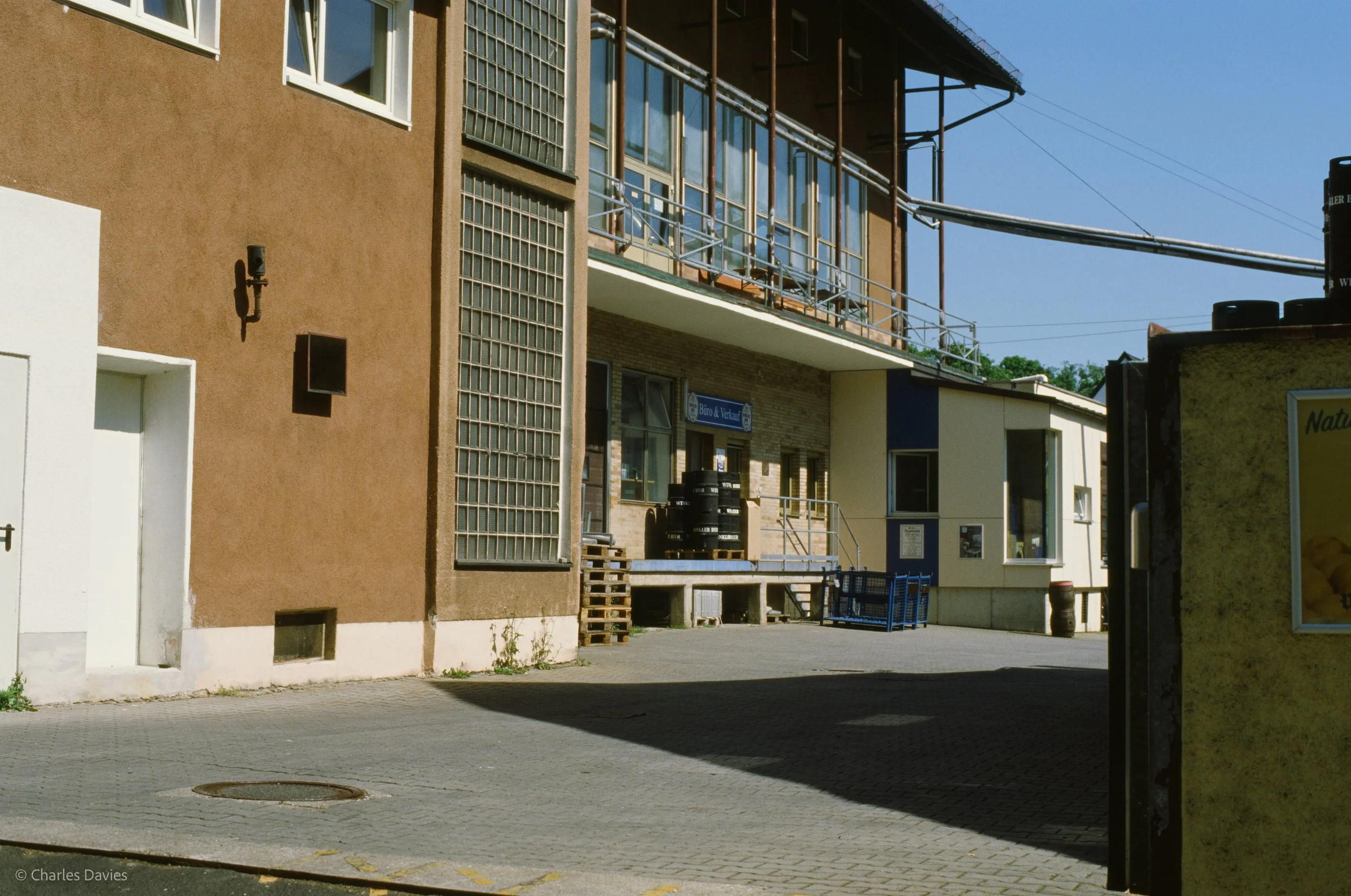
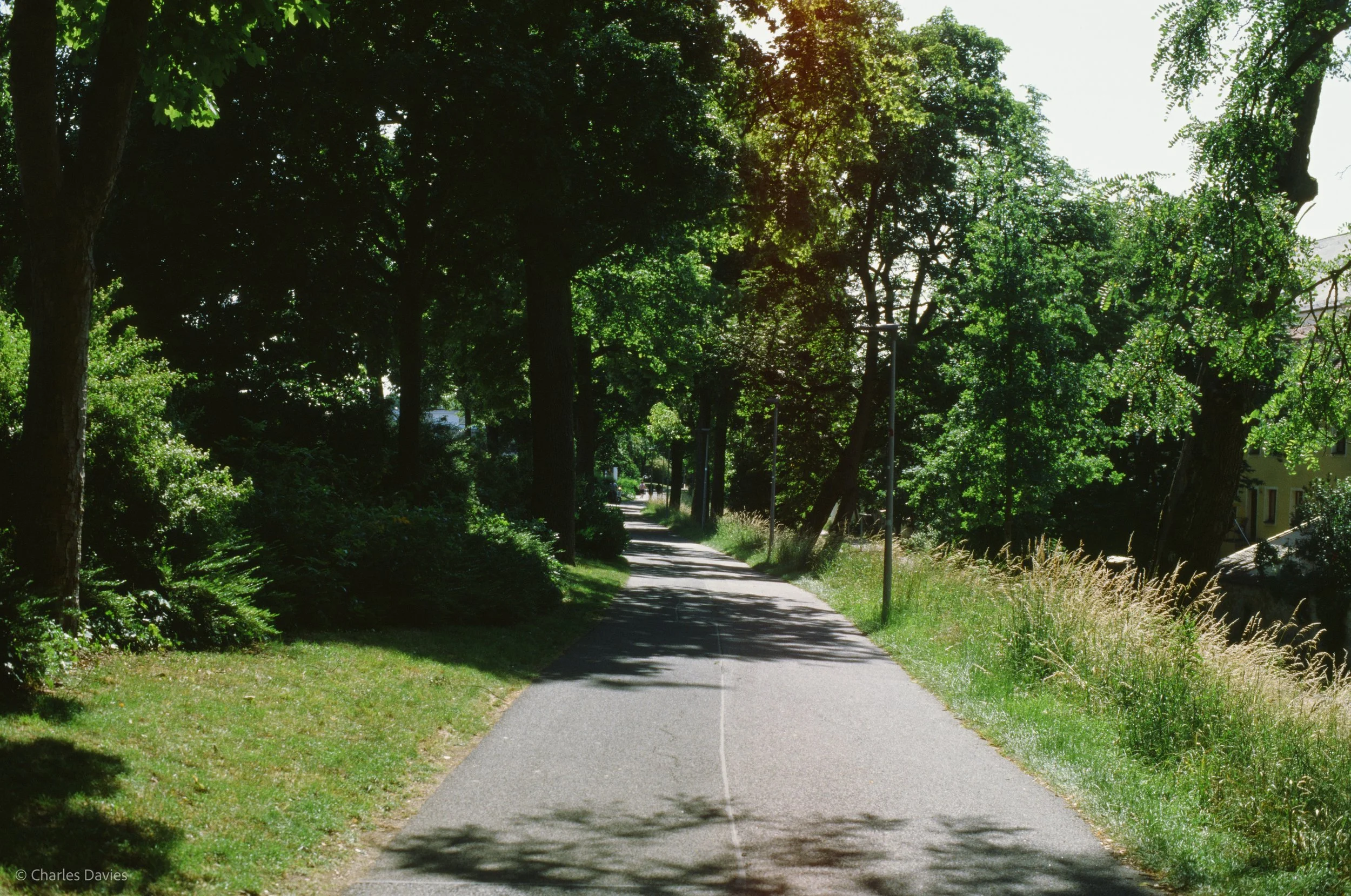
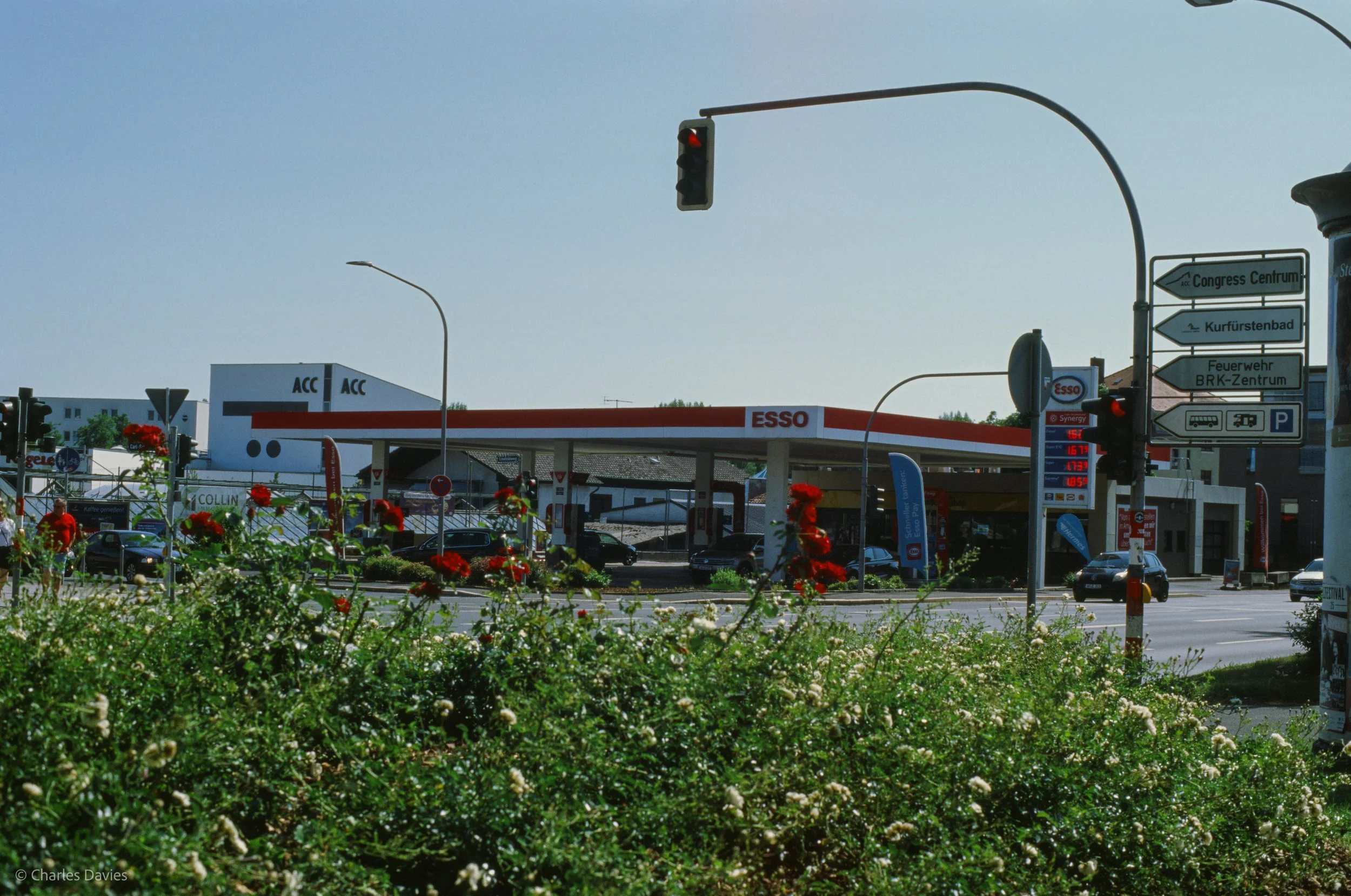
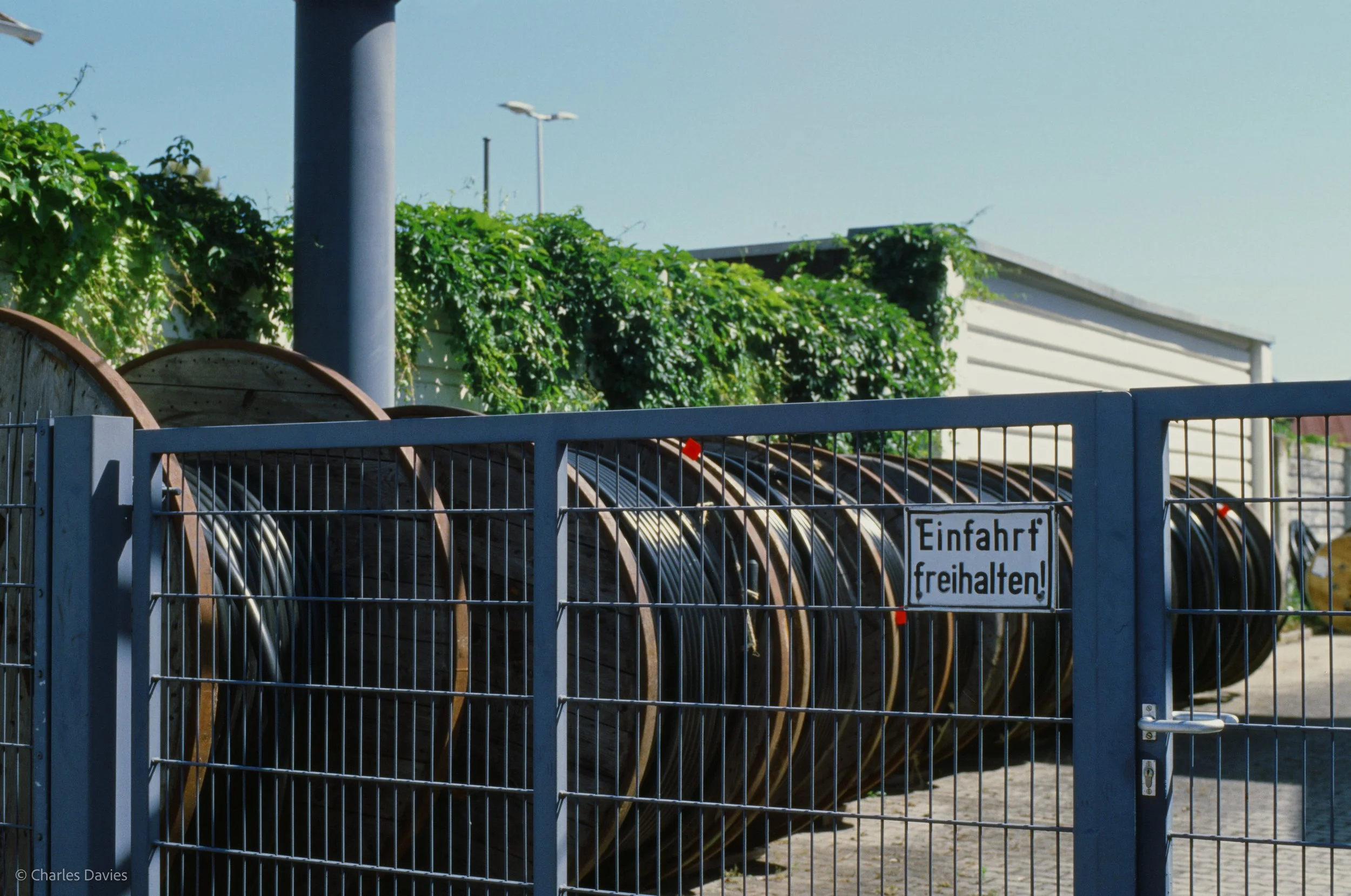
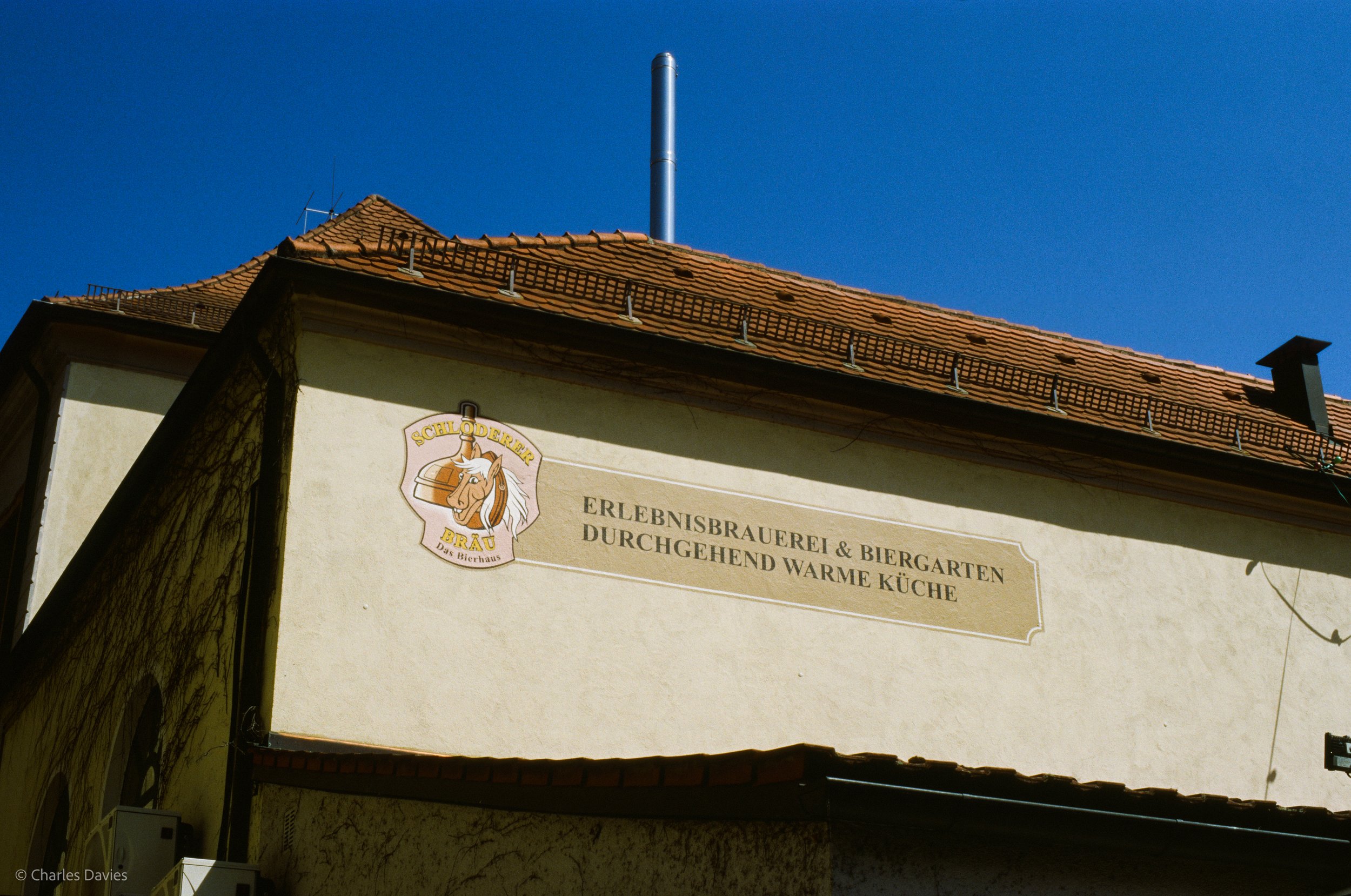

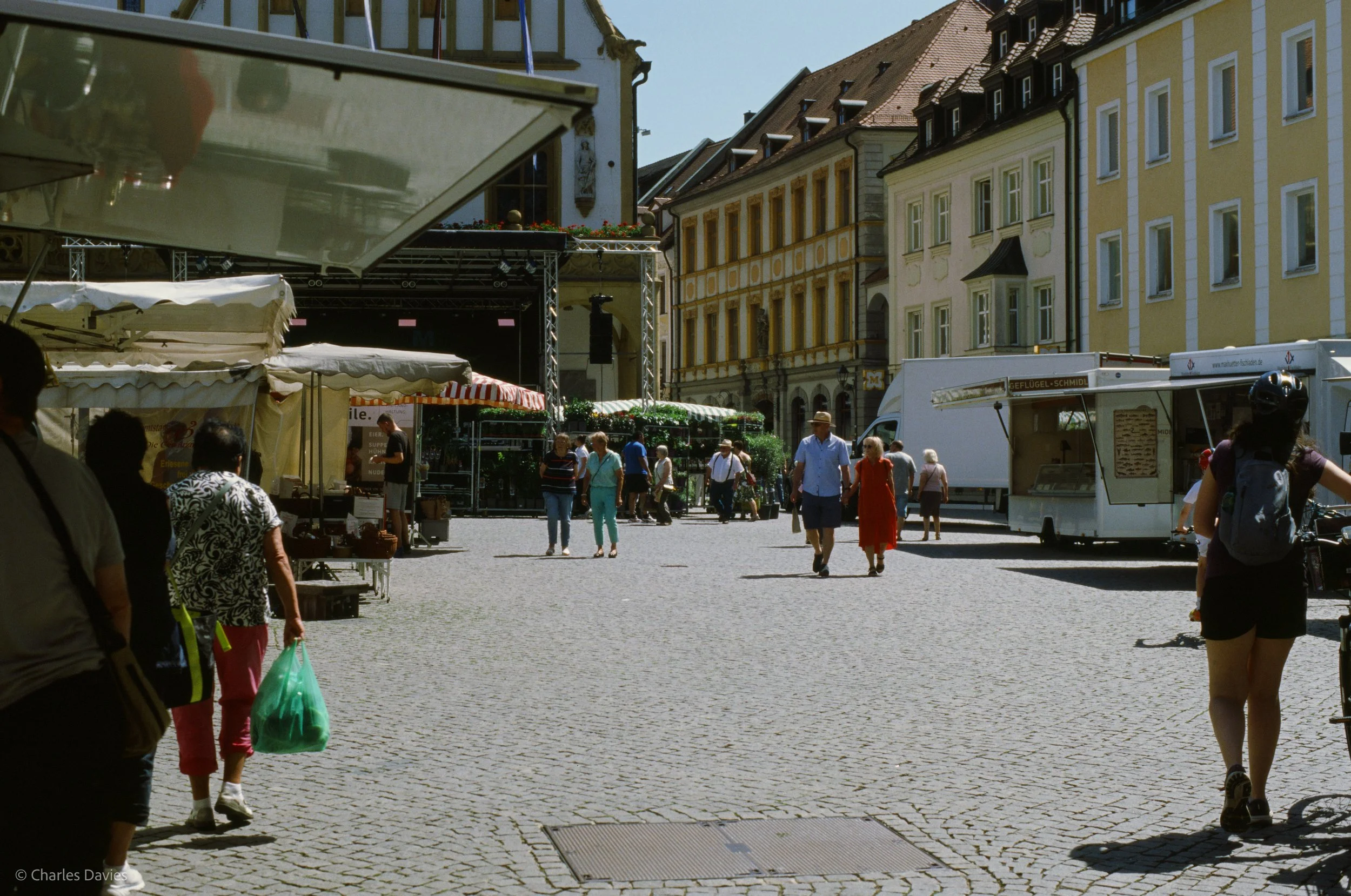

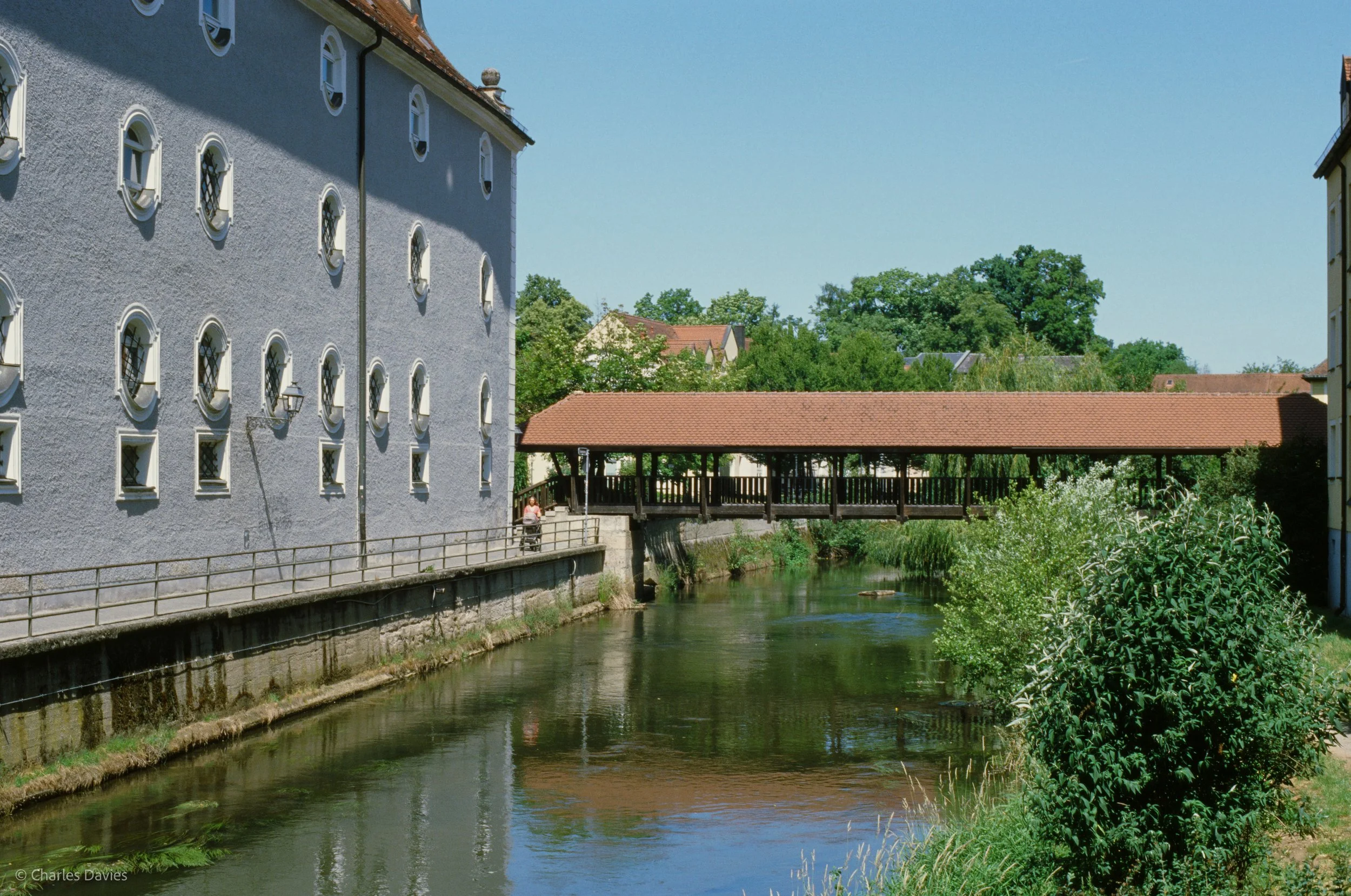


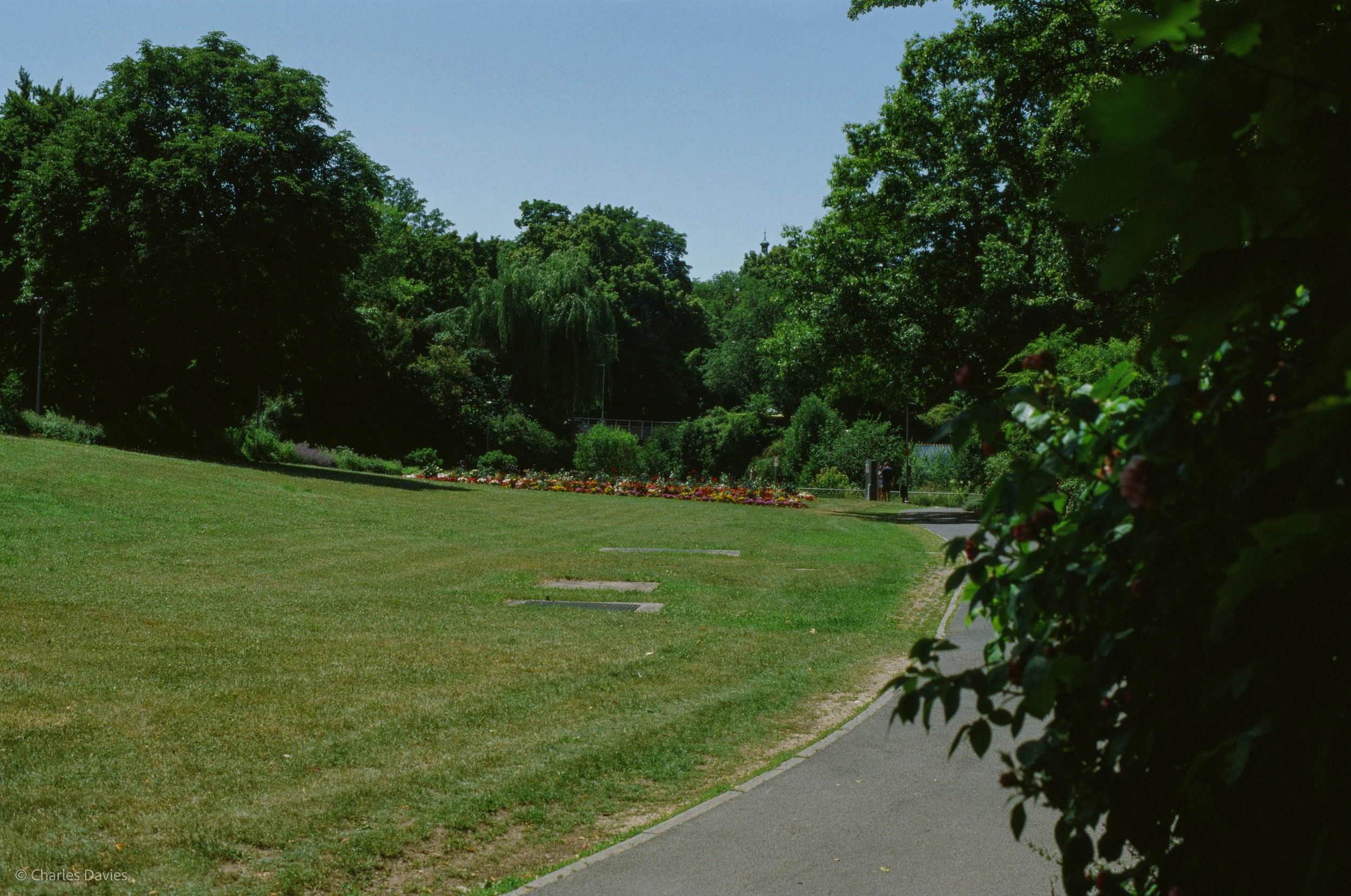
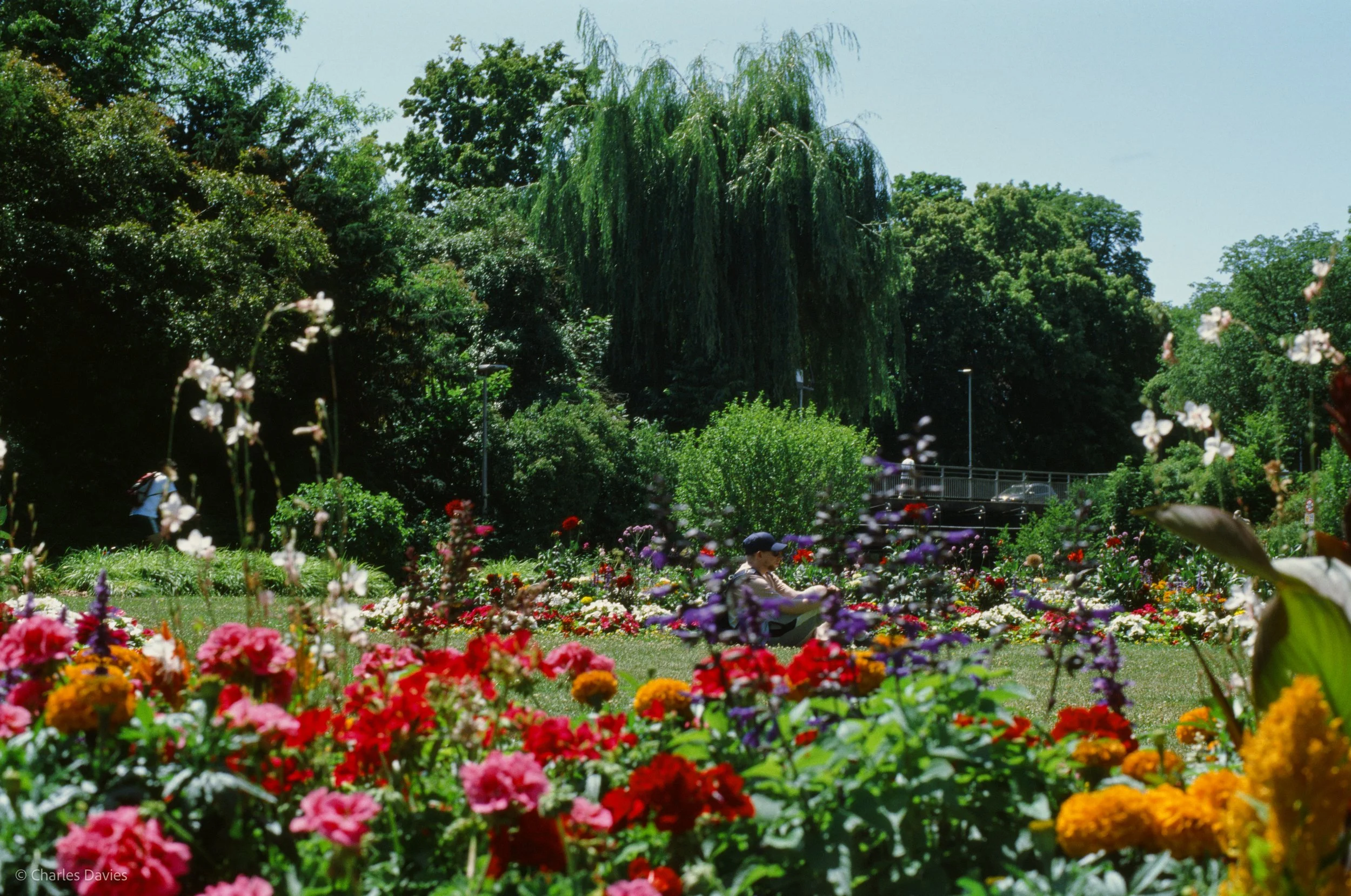
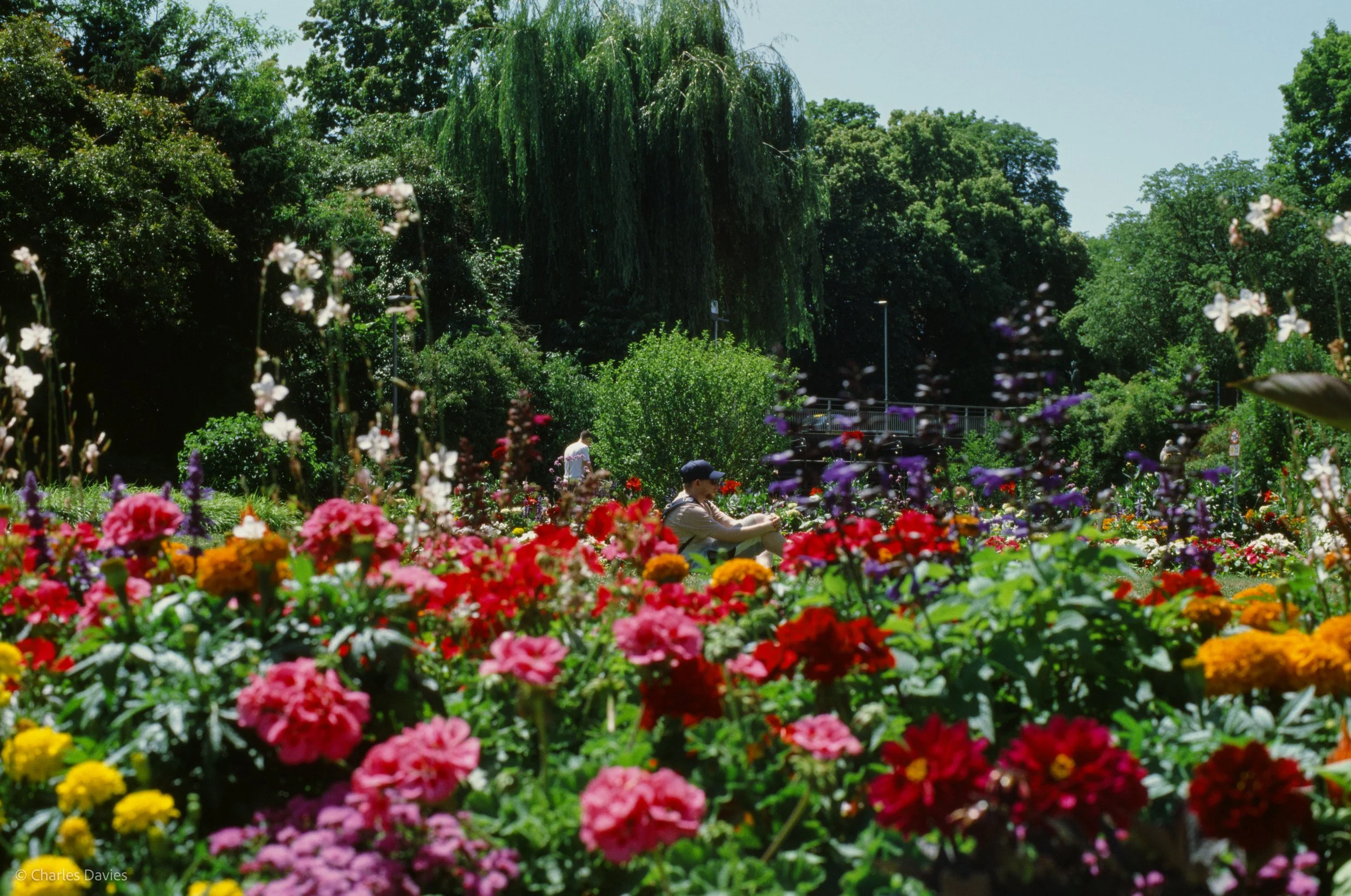
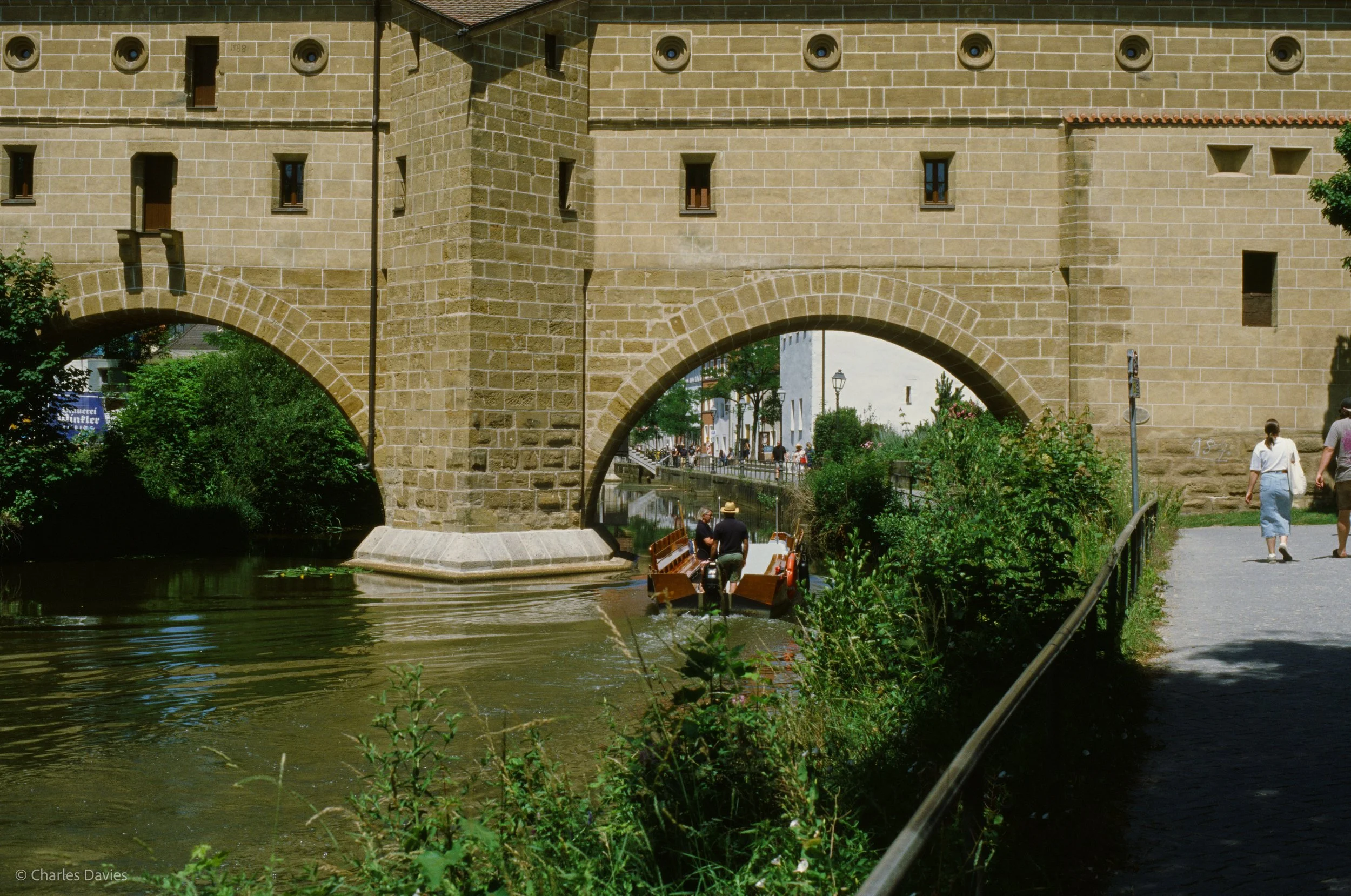
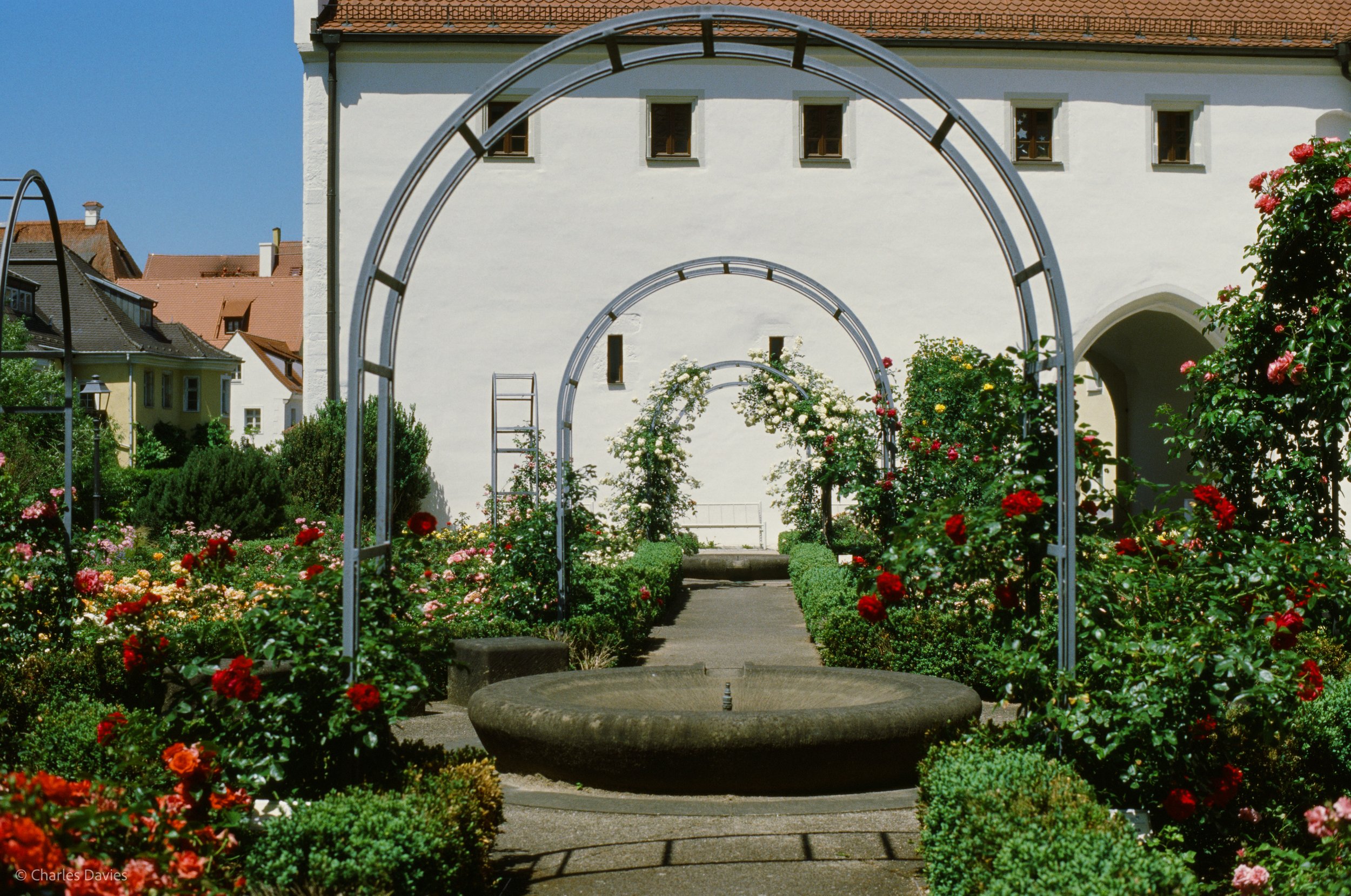

I am happy with these and I quite like them. It was my first time shooting slide film and I like how the colours and the details came out. A few images that I’ve included were sadly underexposed and I had many duplicates due to me shooting the same scene twice. I think I’ll be shooting Kodak Ektachrome a lot more in the future if my wallet allows me too.There is something about looking at the positive image on the filmstrip and it feels really very magical. Exposing for slide film can be a little tricky especially if you don’t have a light meter like I don’t. You have to kind of nail exposure just right when shooting this. If you overexpose by just a little then good luck trying to bring those details back in post processing because it will render you highlights as blown out or completely bright white.The same is with underexposure because the film will make the shadow almost pure black. Don’t get me wrong, you can brighten the image up after the fact in something like Lightroom or Photoshop but the detail just won’t be there like it is if you were to expose it perfectly. Colours will be quite muted and desaturated while the grain and the digital noise goes up along with your exposure as well. Slide film after all is an E-6 Process and has very a very fine grain structure to it. It was originally meant to be viewed through something called a slide projector. You place your film inside and it gets projected onto the wall for your whole family to see. It was never really created to be viewed digitally.A fun fact is that Slide Shows were actually named after the process of projecting and viewing your slides! Cool right?! There were also other uses for slide film as well. For example I believe very low ISO slides were used to take “photocopies” of X-Rays or other medical documents. For this I think they used a very specialised type of slide film called “duplication film”. Slide duplication film was a very low ISO and a very fine grain slide film which was ideal for taking copies of important things. It was also used to take duplicates of other slide films. Kind of like how today, some people scan their film negatives in with their Digital camera. That’s called DSLR scanning.I am surprised how true to life the exposures feel when looking at them either digitally or on the film strip itself. I would love to try Ektachrome on medium format. Imagine the detail you could get. Better than digital?! Maybe! All in all, I am very happy with how these came out and I am very excited to shoot this film again.